
KEGEL TIMELINE
2025
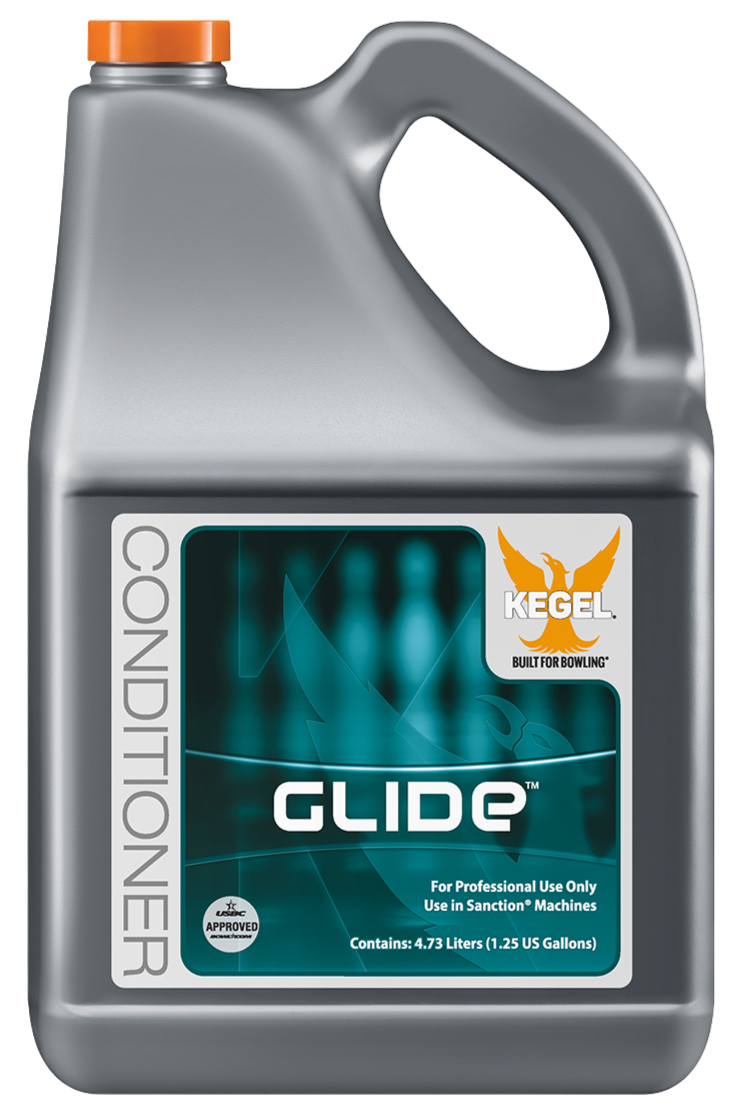
Kegel released Glide Lane Conditioner, which quickly became known for its predictable transitions. With ball motion similar to Curve Lane Conditioner, Glide was designed for medium- to high-friction lanes.
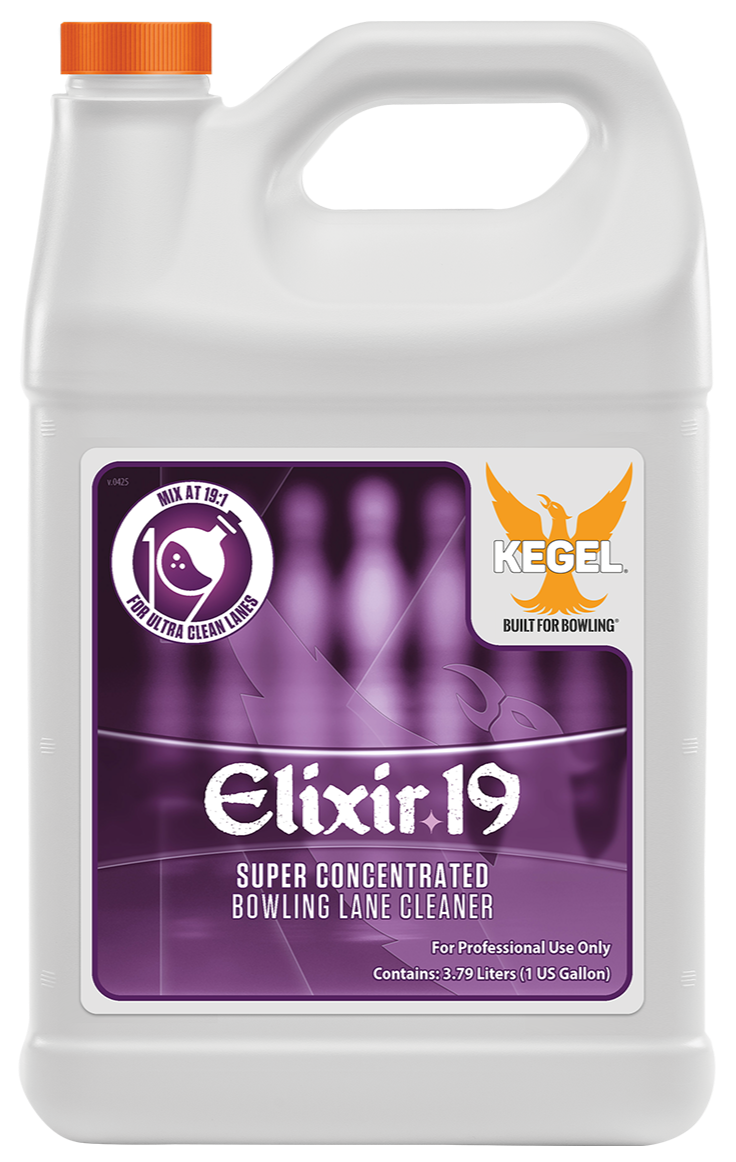
Kegel released Elixir 19, replacing Defense-Cx4 and Defense Cx4S as the only super-concentrated lane cleaner in Kegel’s line. Elixir 19 featured a simple recommended dilution ratio of 19:1.
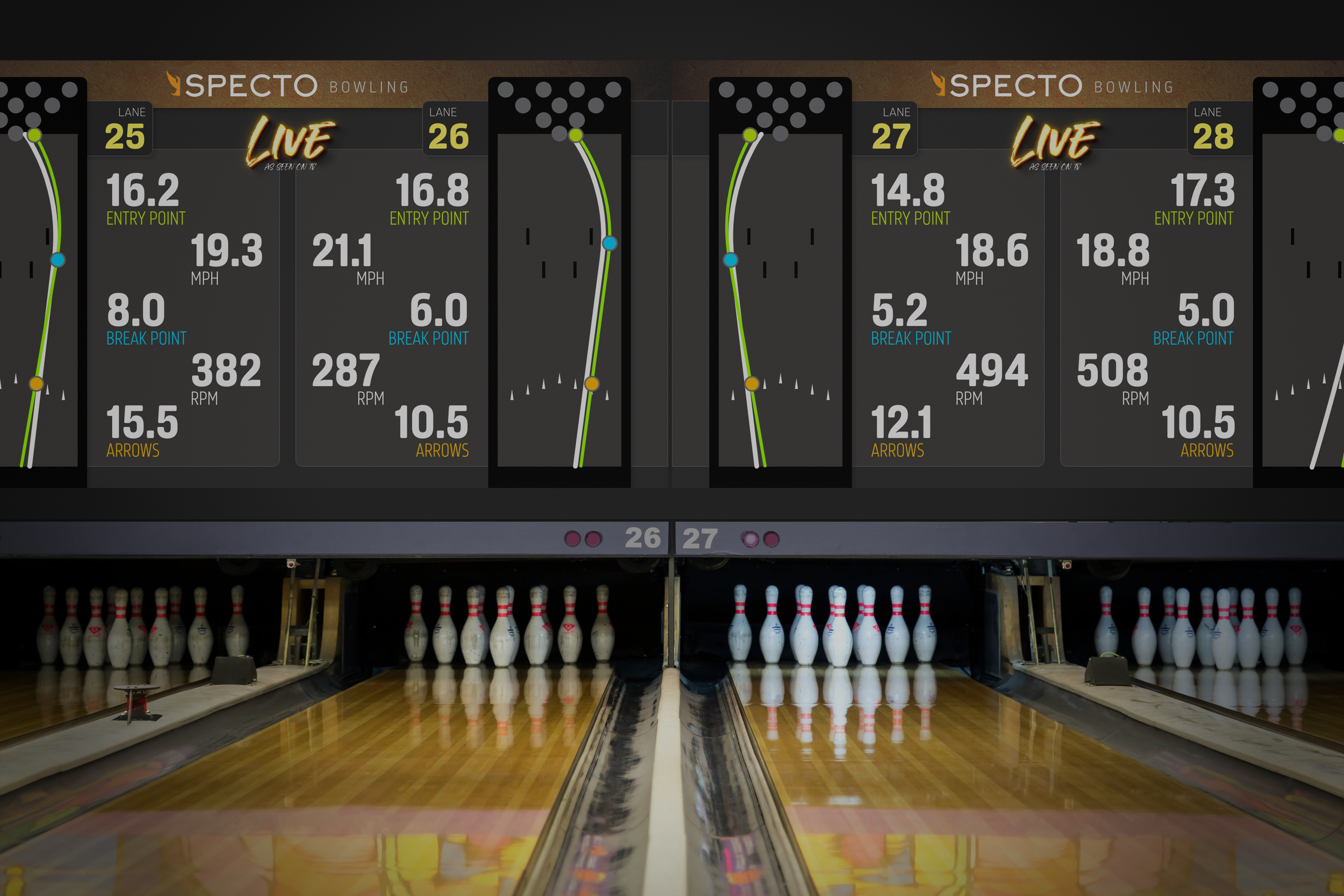
Kegel released Specto Live, a new module for the Specto Bowling system.
2024
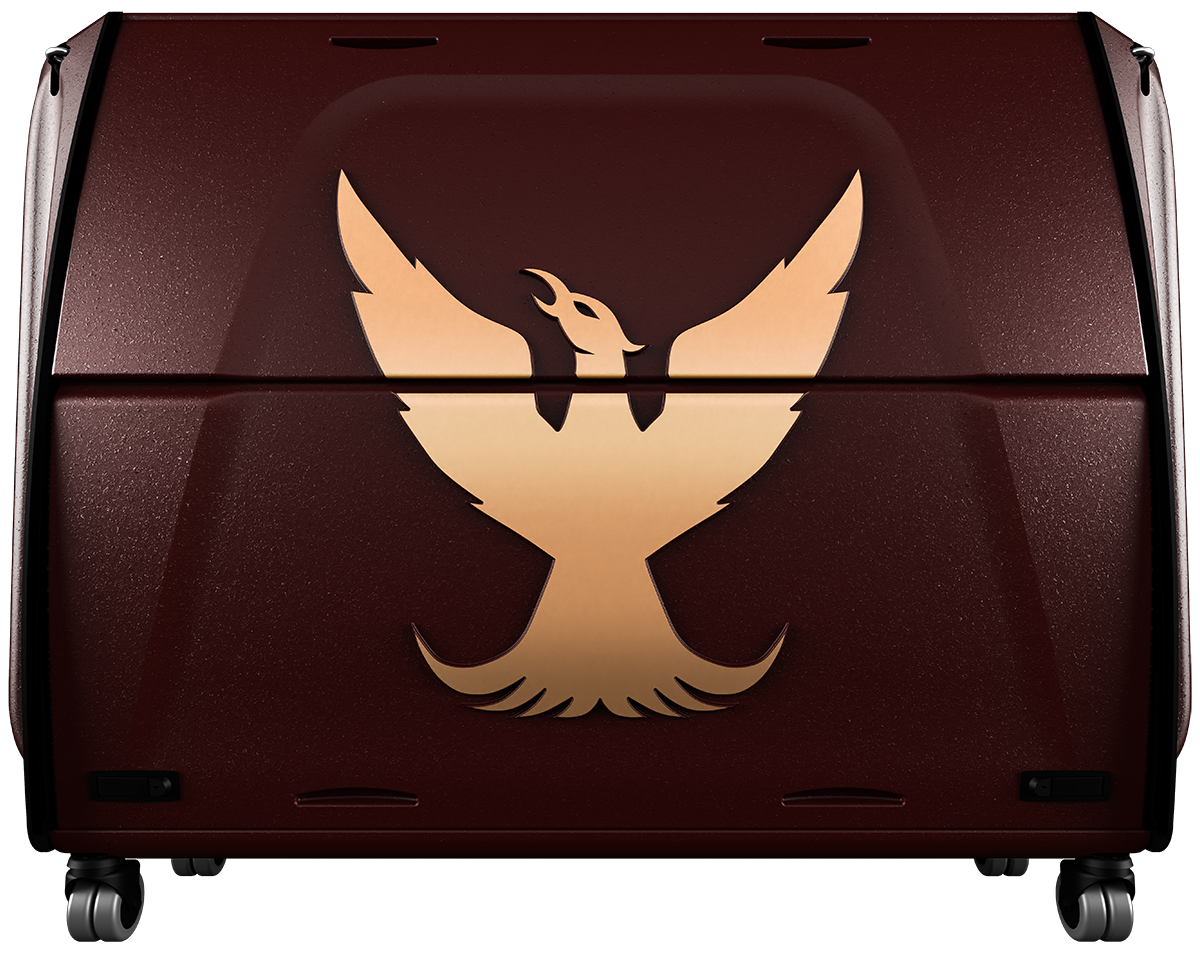
Kegel launched the Atlas Pro — the most advanced version of its Smart Lane Machines.
2023
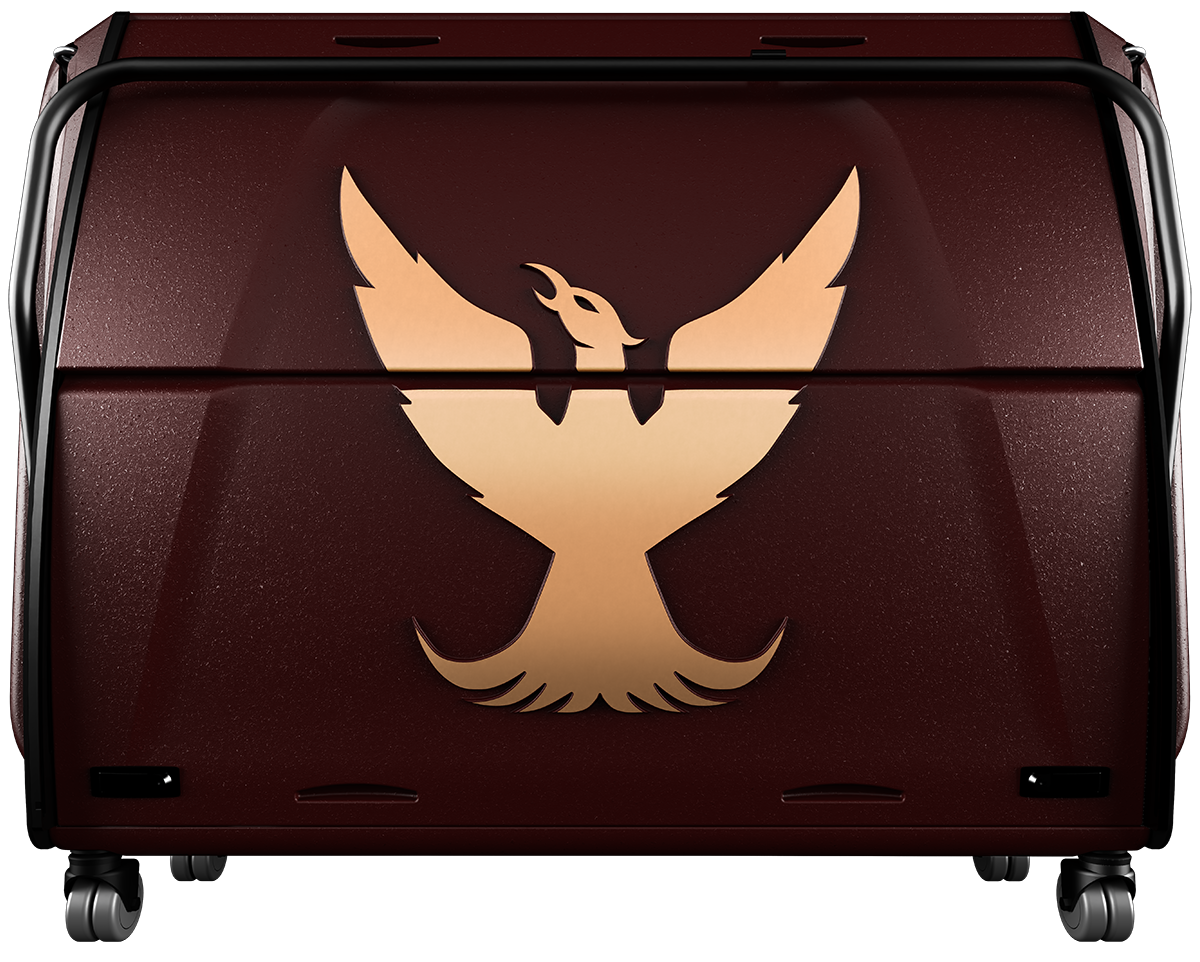
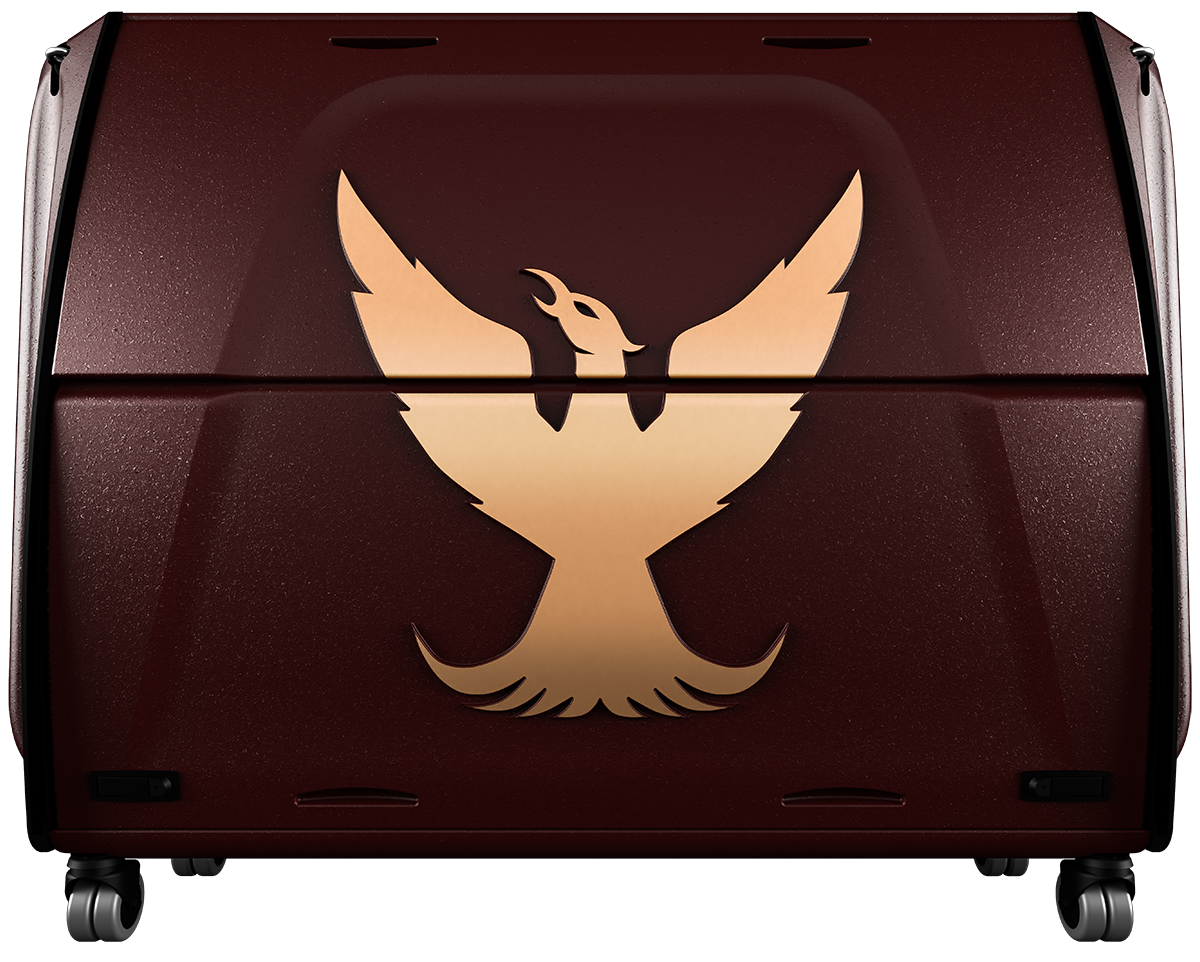
Kegel launched the World's first Smart Lane machine, Atlas and Atlas Walker.

The Kegel Smart Ecosystem grew as the Kegel Mechanics Klub and Distributor Portal integrated with Smart ID login capabilities.
Kegel launched a new kegel.net website.
2022
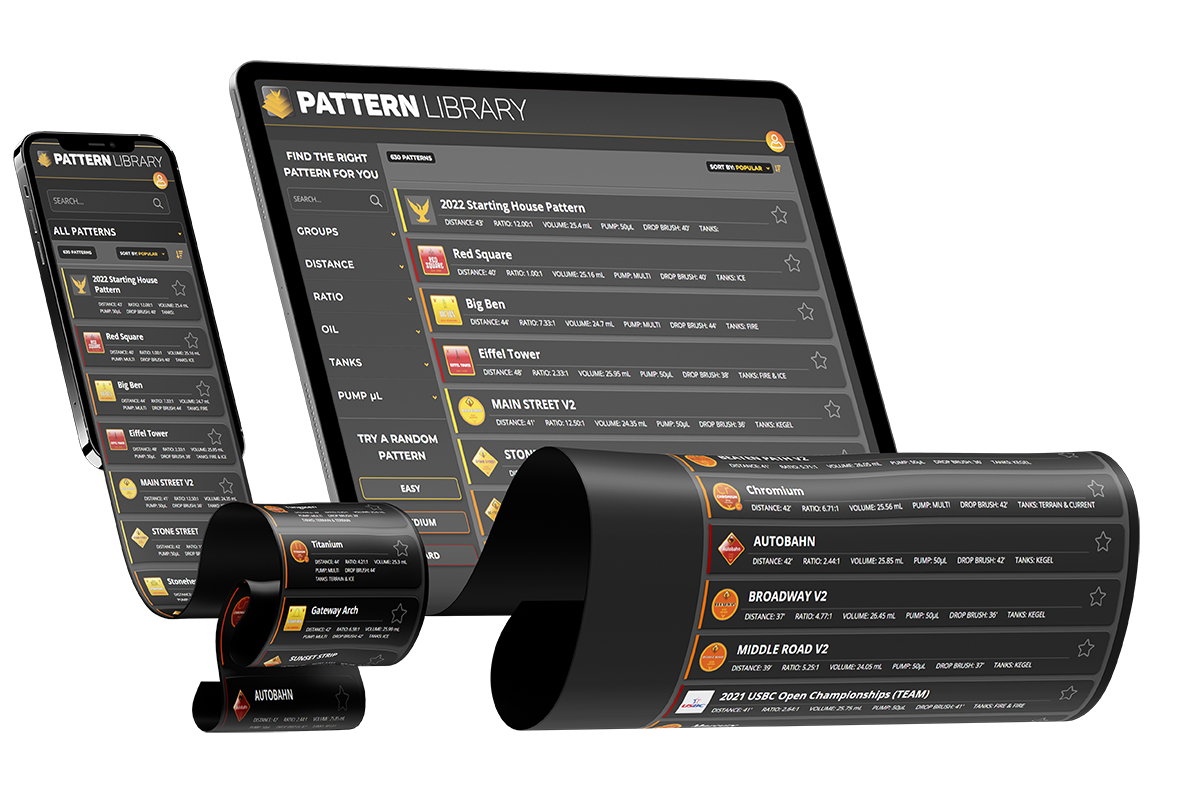

Kegel introduced its new Pattern Library, completely rebuilt from scratch with user, distributor, and bowler feedback.
Kegel released Uphoria Lane Conditioner, which became the first new product innovation since QubicaAMF partnered with Kegel as its exclusive manufacturer for chemical lane care supplies.
2021
Kegel reached its 40th-anniversary milestone and celebrated four decades of improving the bowling experience.

QubicaAMF Worldwide and Kegel entered into a new licensing and manufacturing agreement, under which Kegel became the exclusive manufacturer and supplier for all QubicaAMF lane care and supplies products.
2020

Kegel acquired Pinsetter Parts Plus (PPP), a Wisconsin-based pinsetter parts manufacturing company. The Pinsetter Parts Plus line became available under the Kegel brand.
Kegel released a new website, the Kegel Mechanics Klub (KMK). KMK was created as a platform that Kegel planned to grow into an extensive knowledge base for mechanics.
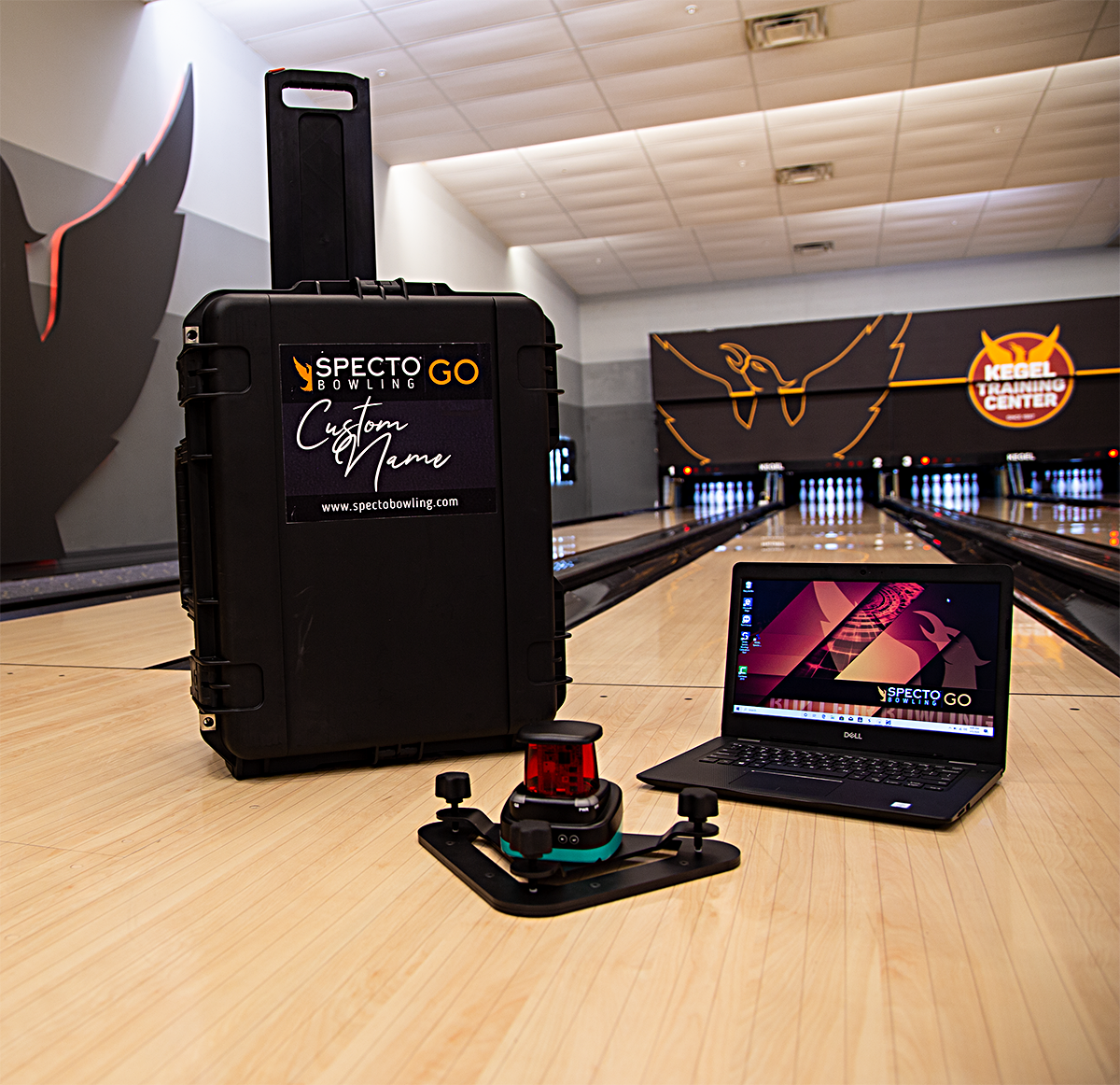
Kegel released Specto Go, a portable version of the Specto tracking and practice system for centers, bowlers, and coaches.
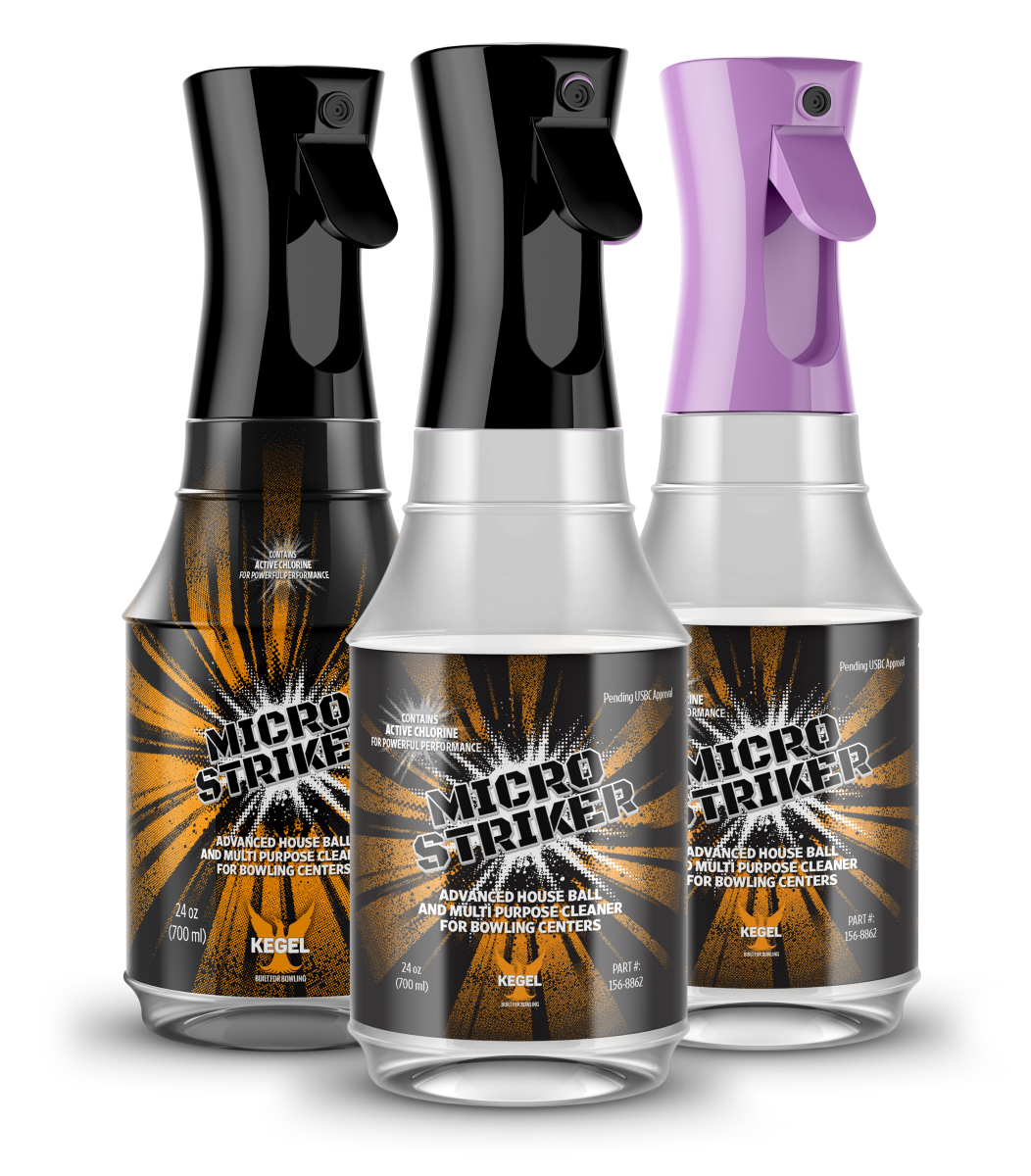
MicroStriker was designed as an advanced house ball cleaner with active chlorine,
developed to help the bowling industry during COVID-19.
2019
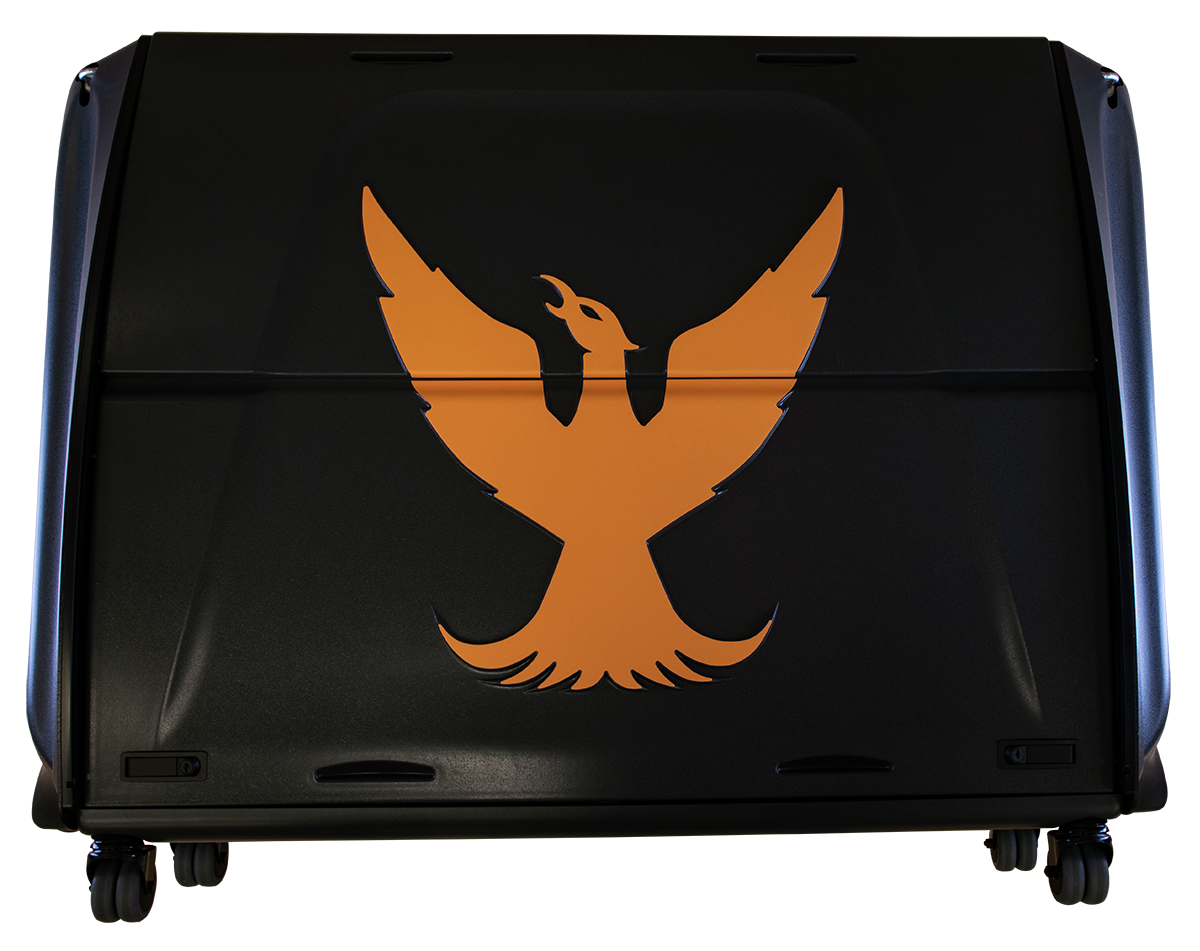
Kegel introduced Ikon Walker.
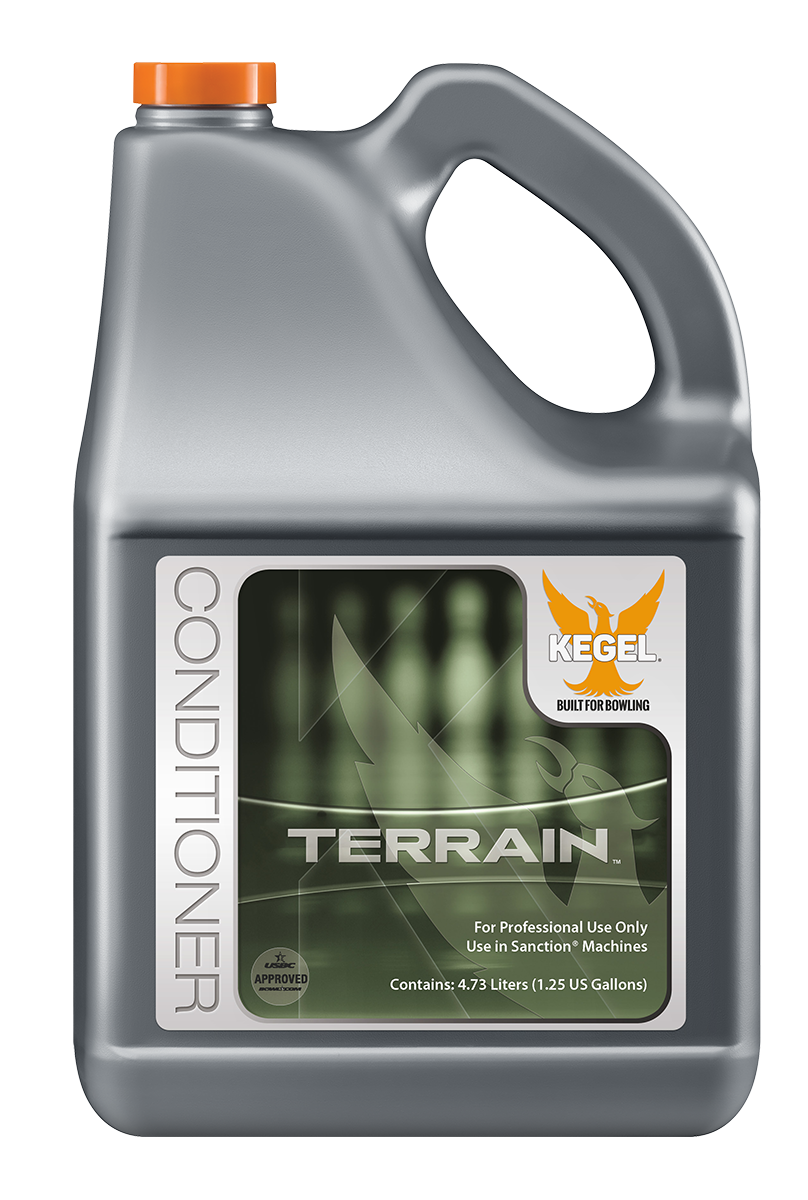
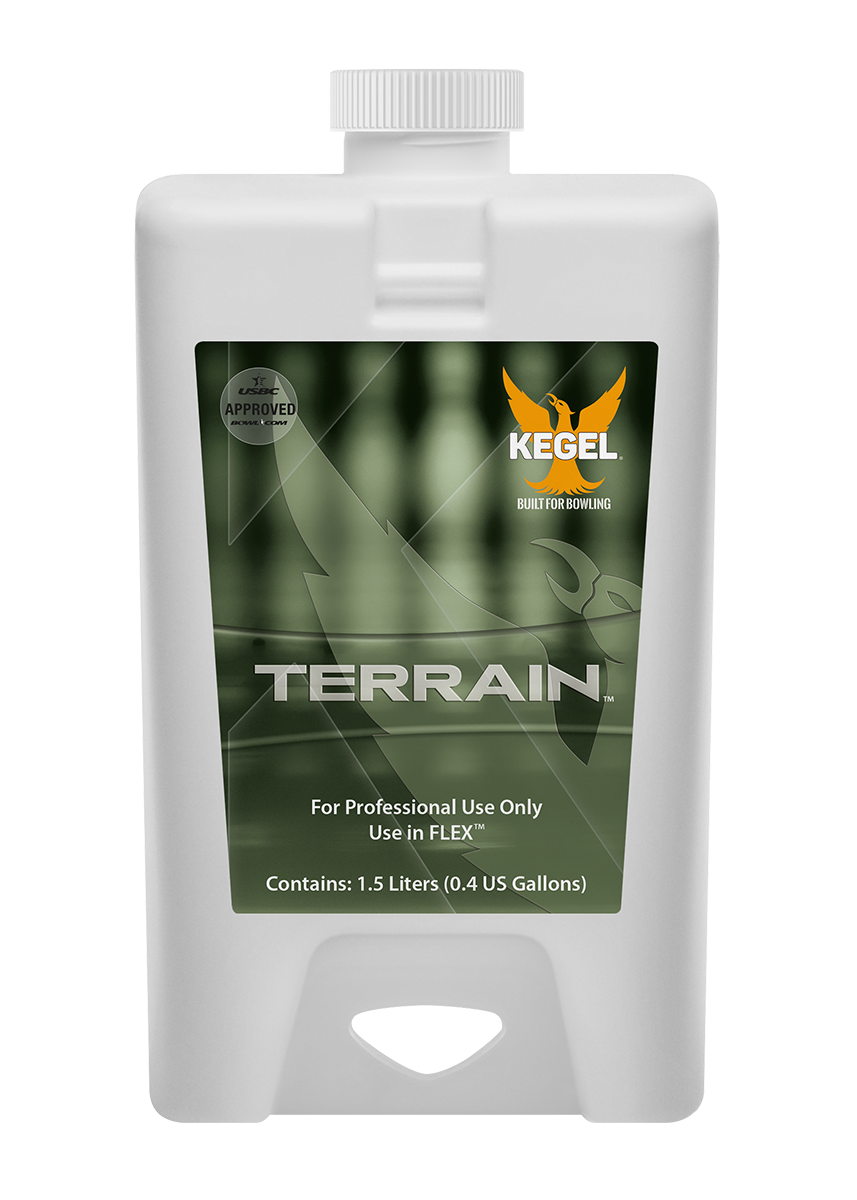
As the final conditioner in the Element series, Terrain used the same polymer technology as Current to help the conditioner hold up longer against aggressive coverstocks. Terrain provided hook in all the right places while still delivering strong backend motion.
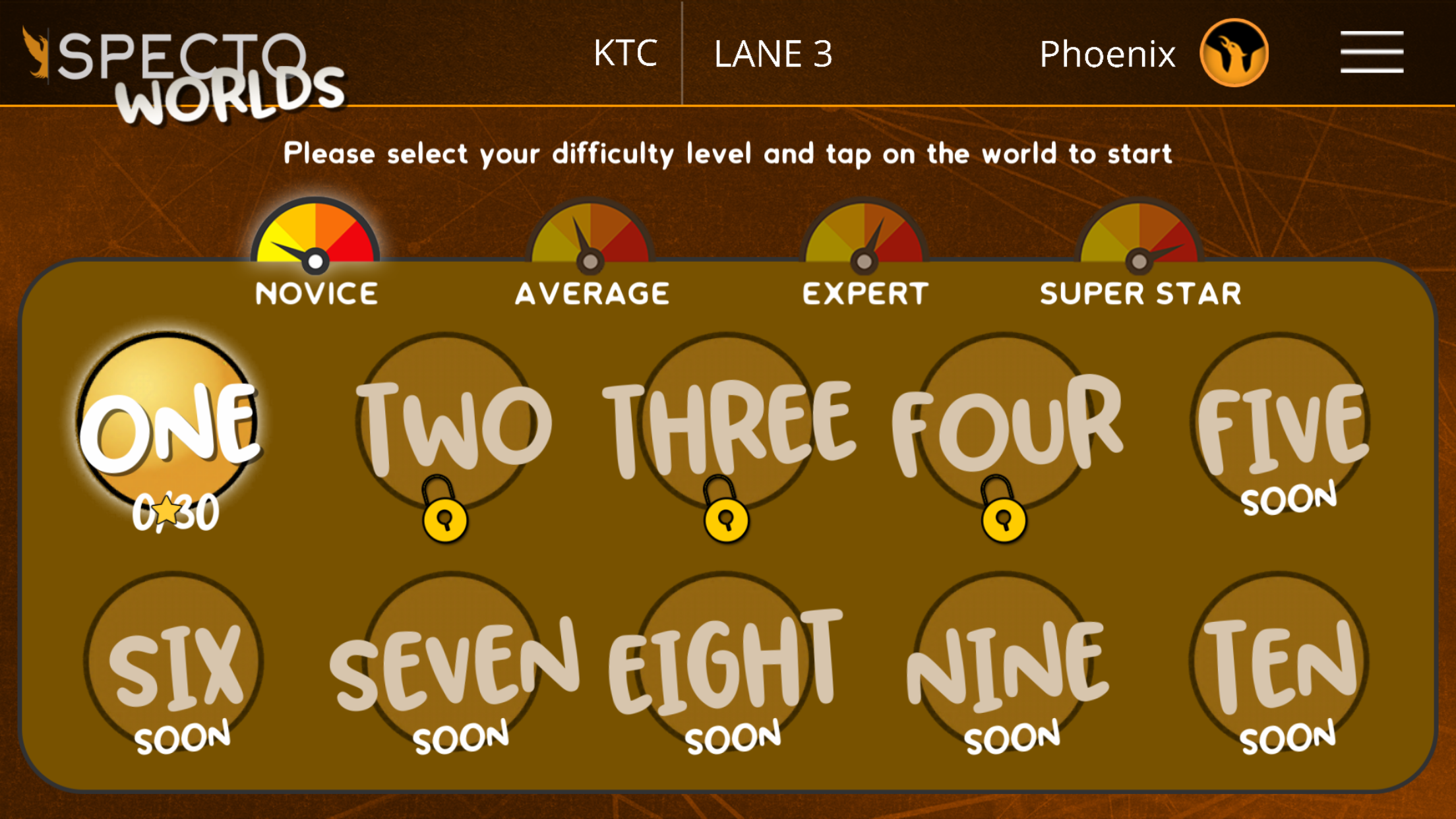
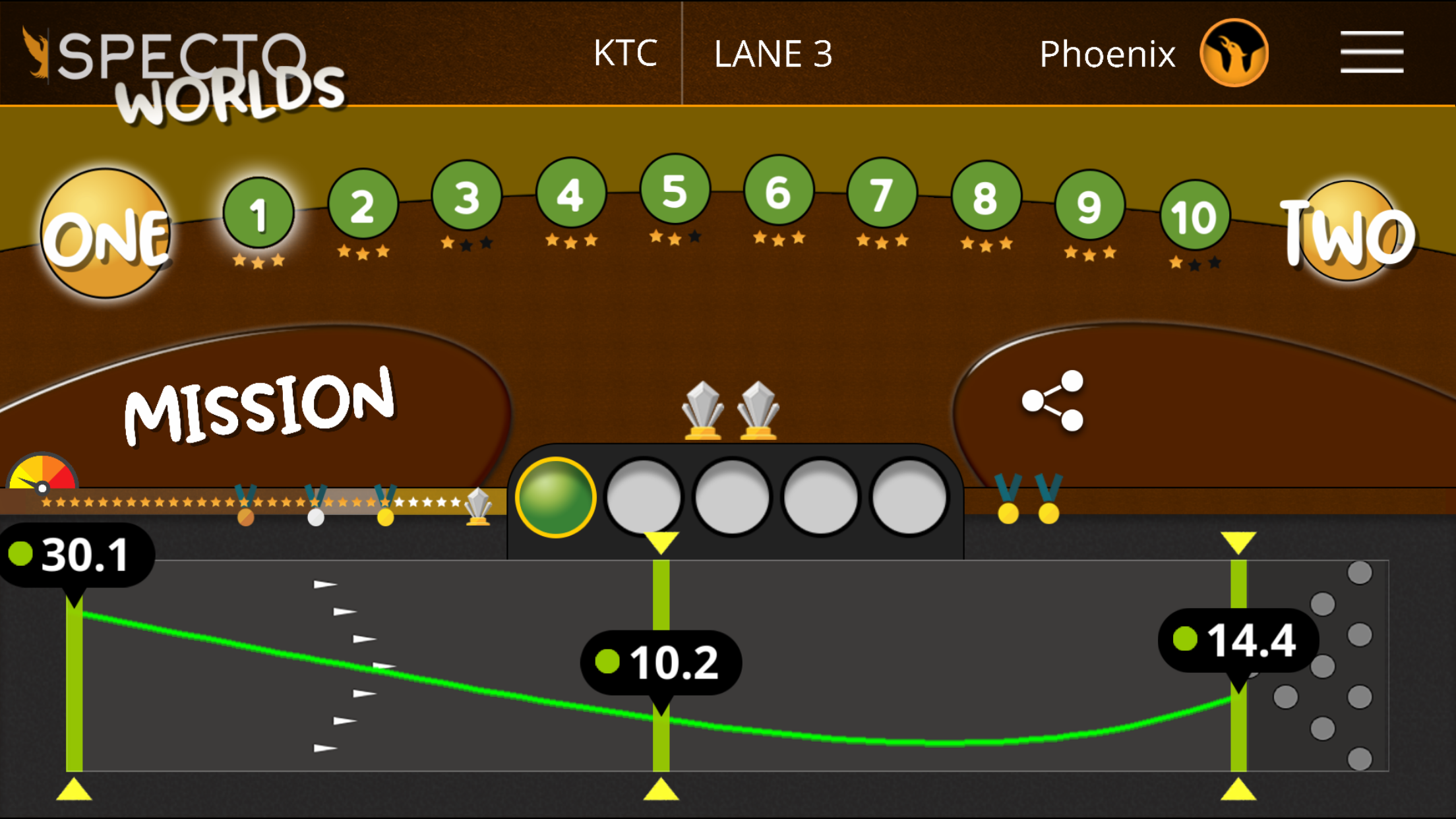
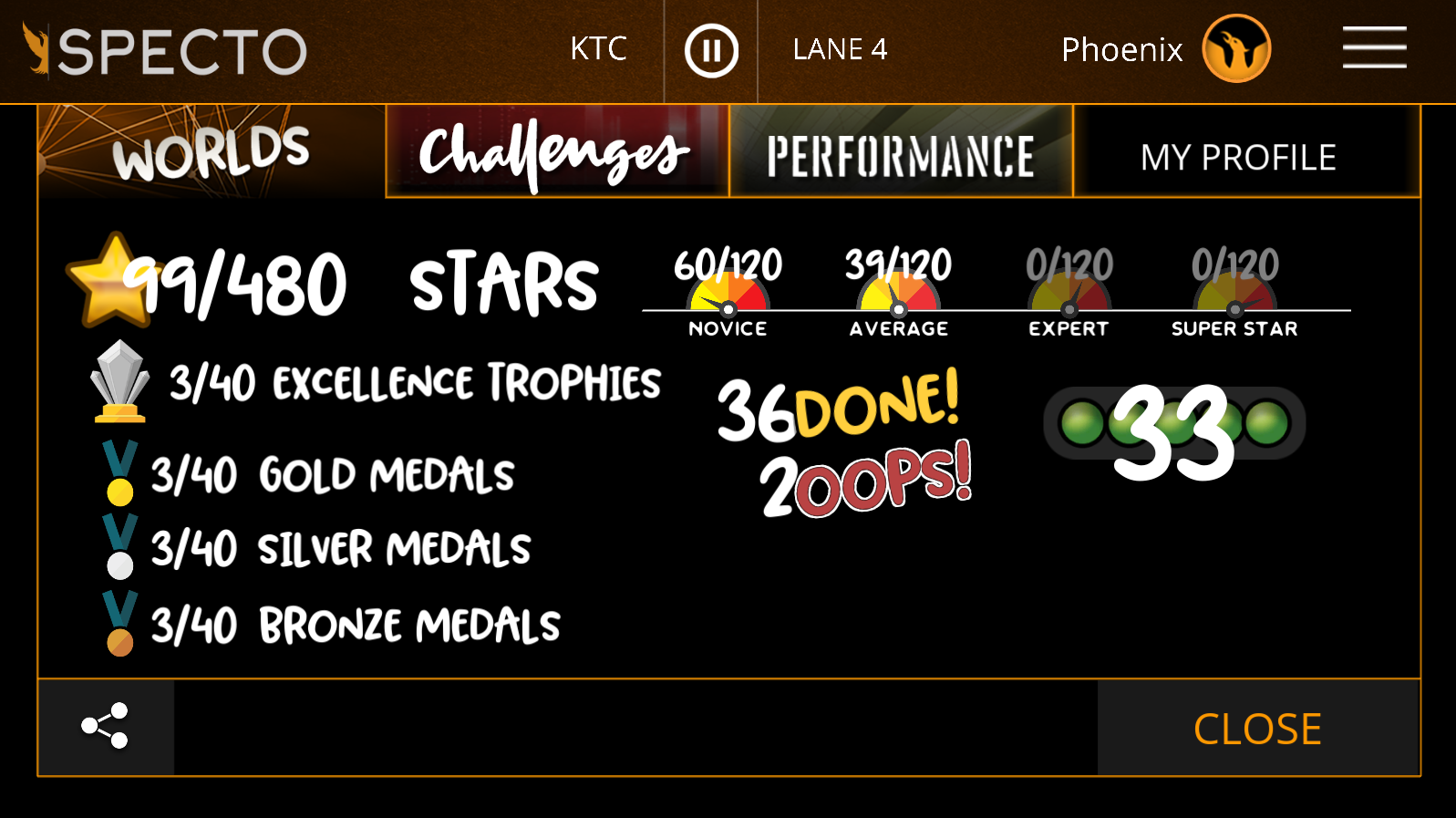
Kegel introduced Specto Worlds, a game-like experience within Specto.
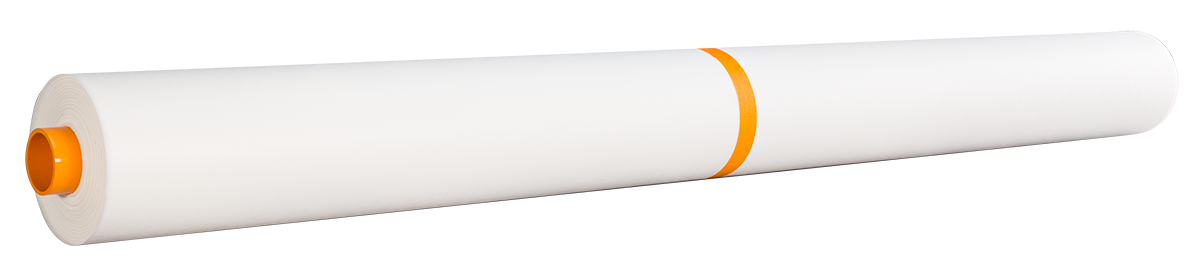
Kegel launched K3 Select Cleaning Cloth, which enabled bowling centers to clean up to 50% more lanes.

The Kegel Training Center hosted the inaugural Kegel Coaching Master’s Program (KCMP), a unique coaching course designed to help coaches focus more intensively on specific topics within the game.

John Davis was inducted into the USBC Hall of Fame in the Meritorious Service category.
Kegel installed a custom two-lane setup at its second building for Research and Development and Technical Training classes.
Fizzion production moved from Las Vegas back to Florida into the new space as well.
Kegel was voted one of the Best Companies to Work for in Florida and one of the Best Places to Work in Polk County.
2018
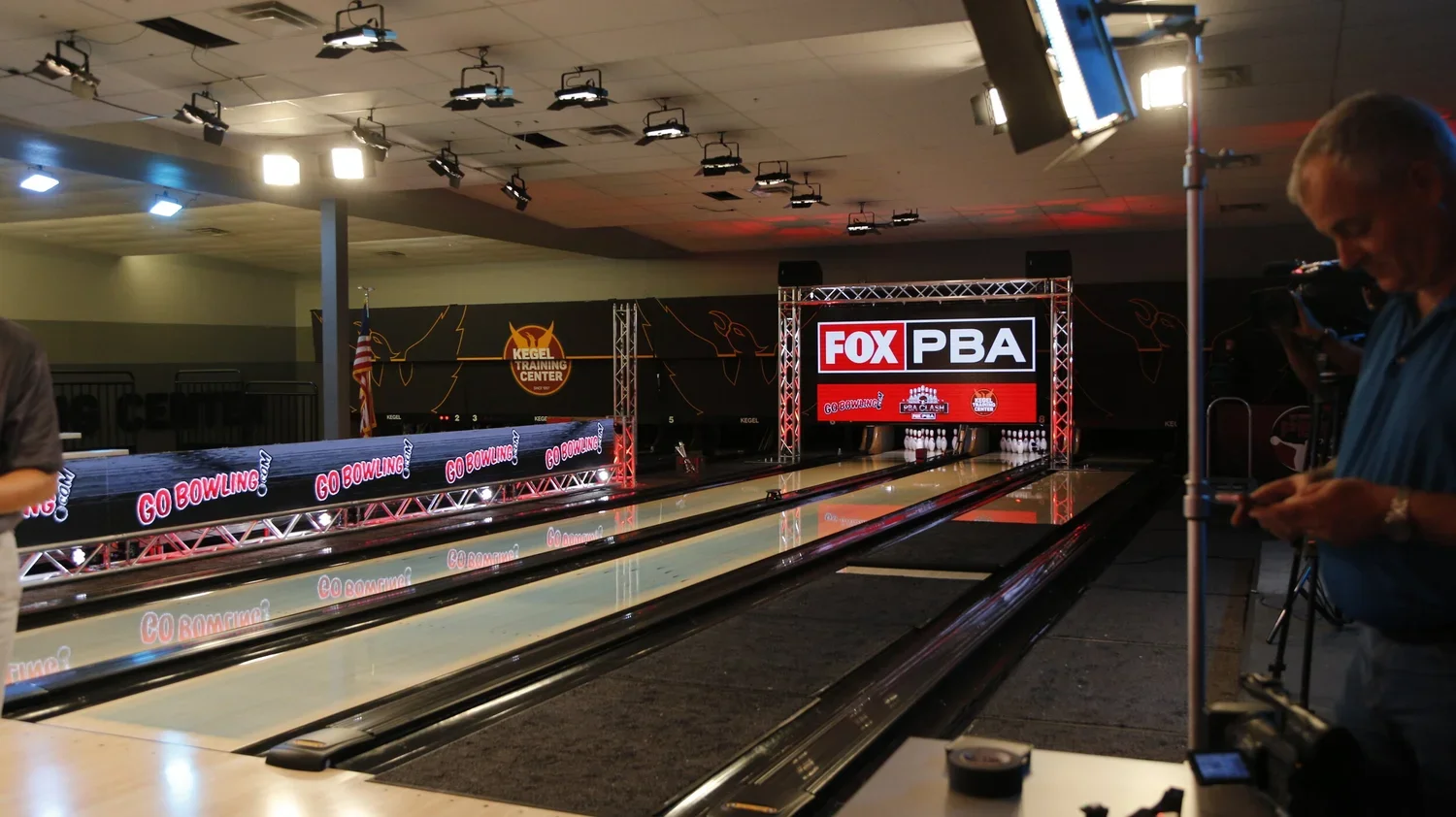
Kegel served as host for the PBA Clash, and Specto was used for the first time on a televised PBA event.
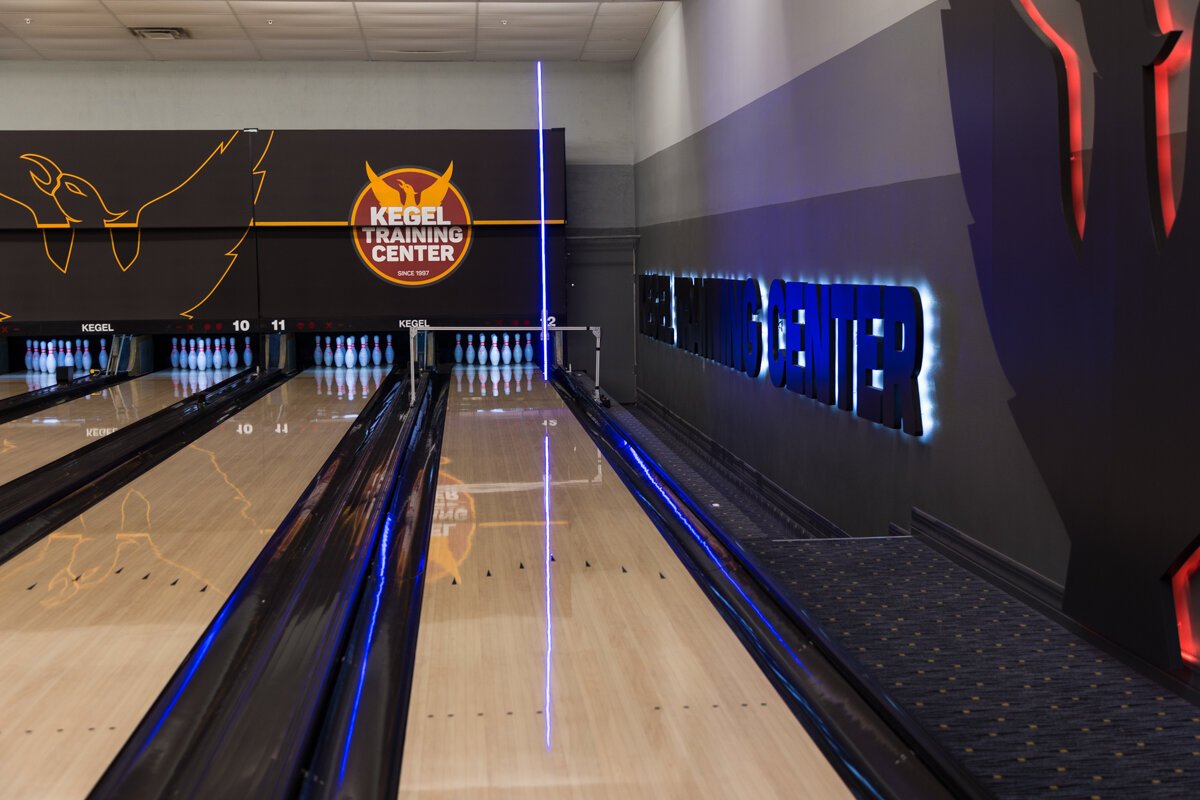
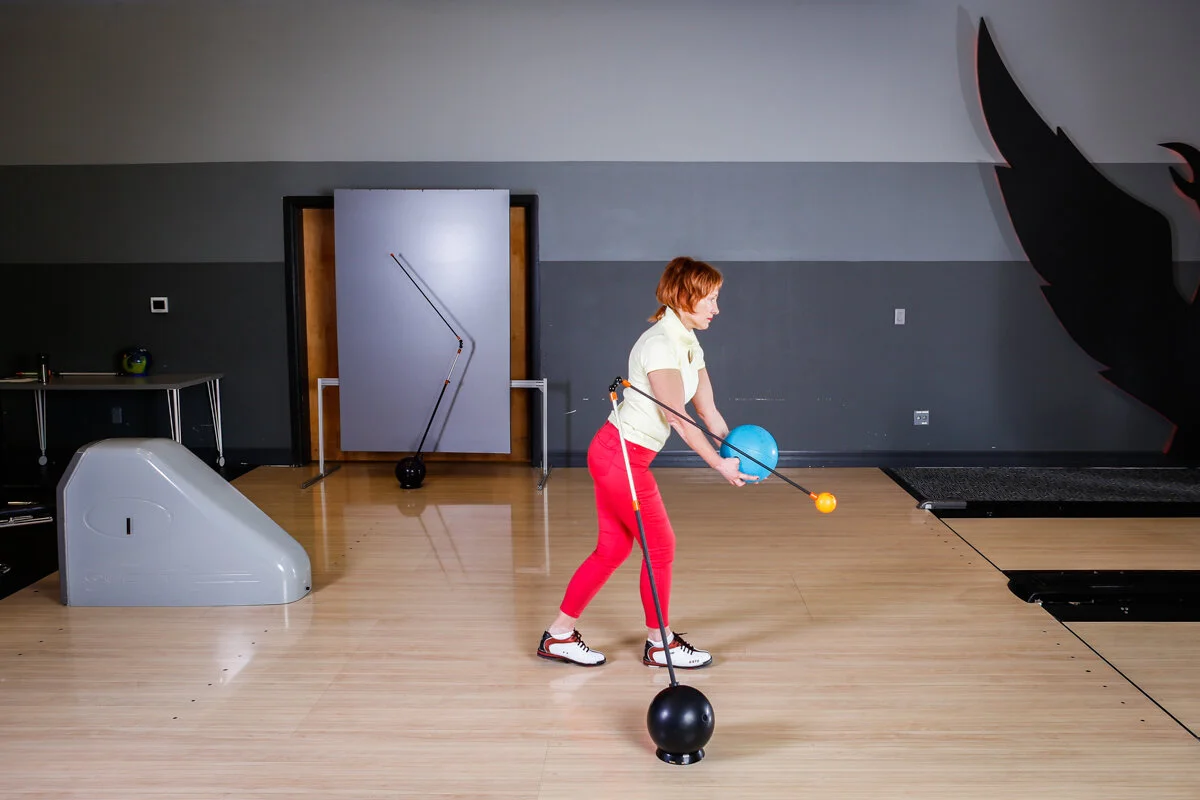
Kegel launched the Torch-X Lane Targeting Light and the Arrow 3D Reference Tool.
Kegel began working with Clutch to offer an enhanced Specto experience at a lower cost.
Kegel was voted one of the Best Companies to Work for in Florida and one of the Best Places to Work in Polk County.
2017
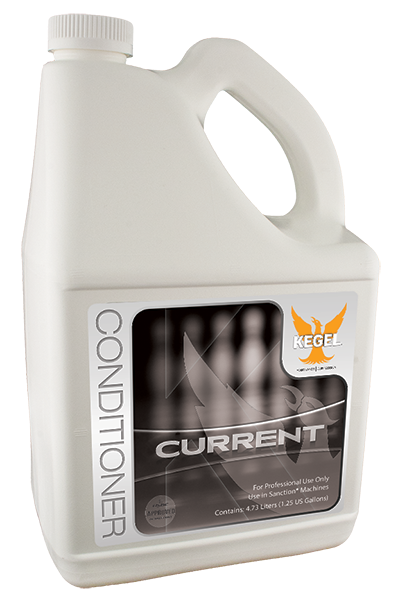
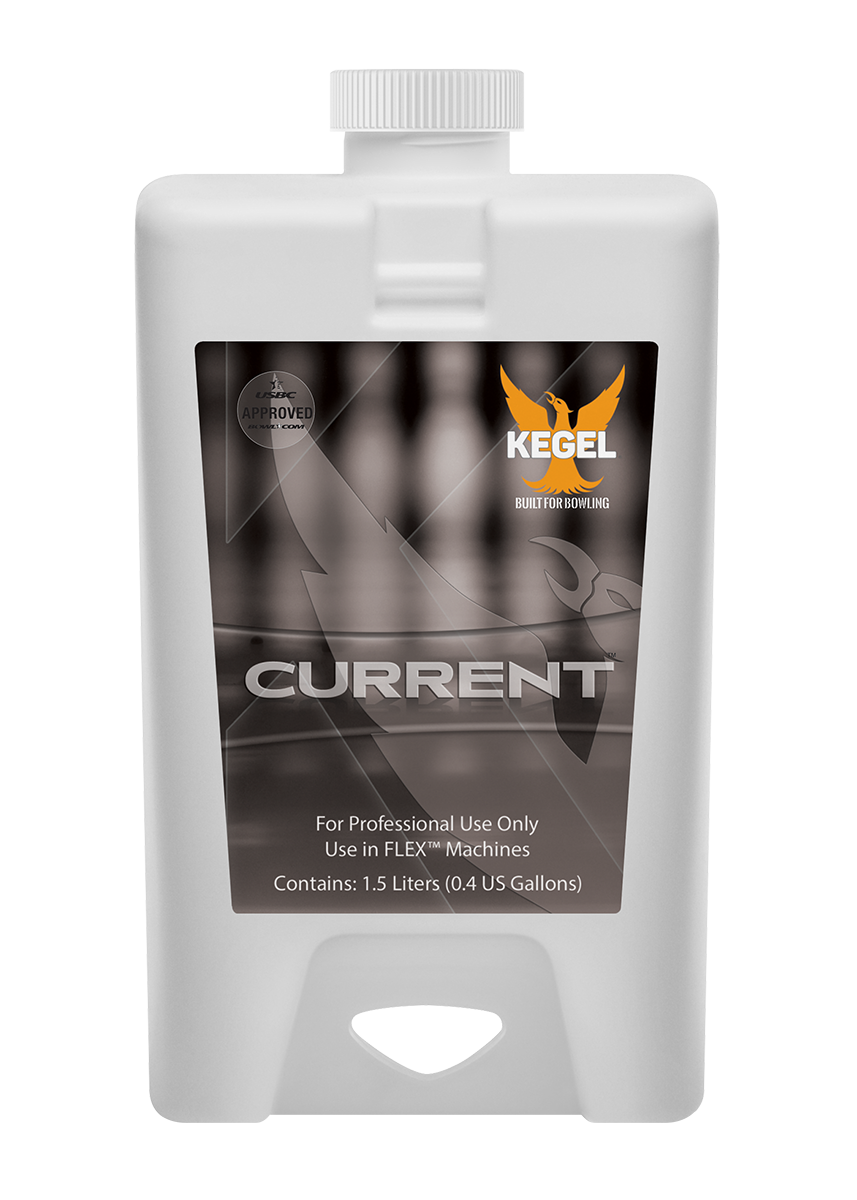
As the third conditioner in the Element series, Current used a new polymer technology and was developed to help the conditioner hold up longer against aggressive bowling balls.
Kegel Pattern App Launched.
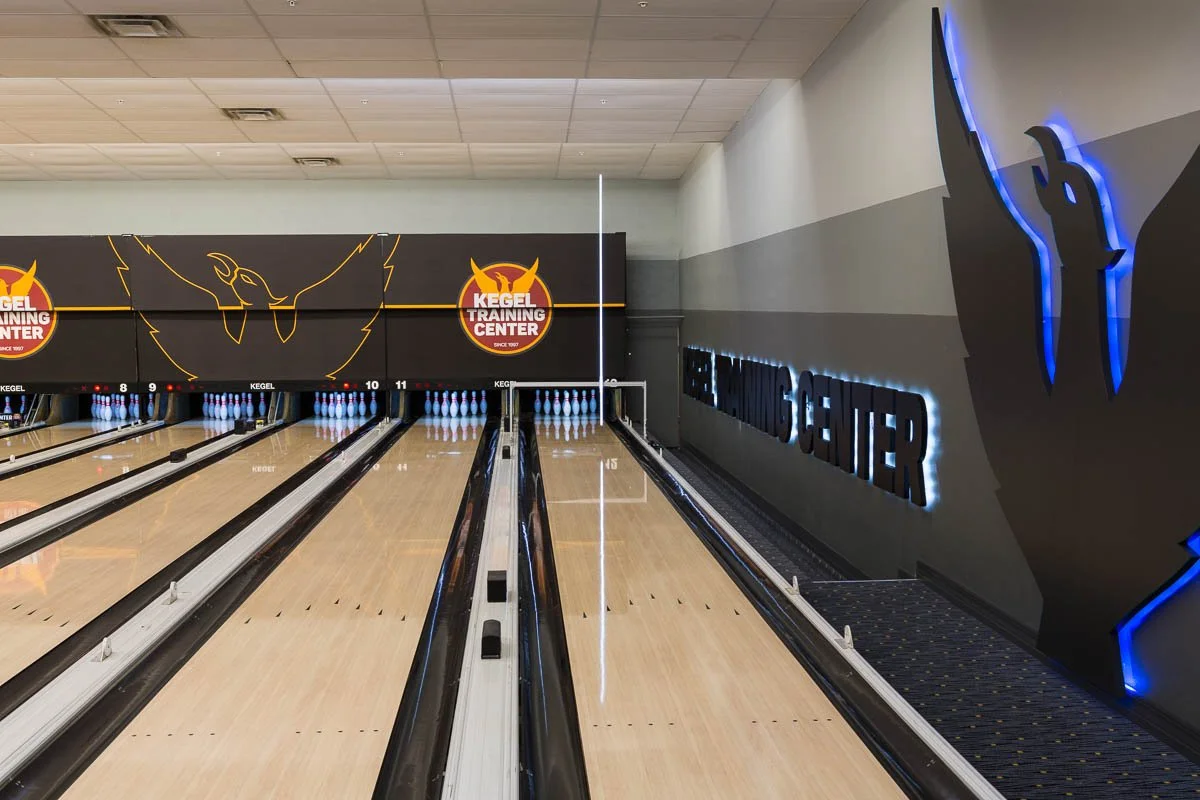
Kegel launched its own line of coaching tools, starting with Torch and followed soon after by Specto Bowling.

Kegel updated its slogan to BUILT FOR BOWLING and rebranded its logo.
Kegel was voted one of the Best Companies to Work for in Florida.
2016
The year marked Kegel’s 35th anniversary in business.
Linda Davis, co-founder and wife of company founder John Davis, redeemed her ownership interest in the LLC, leaving the Mitchell family as the sole owners of Kegel.
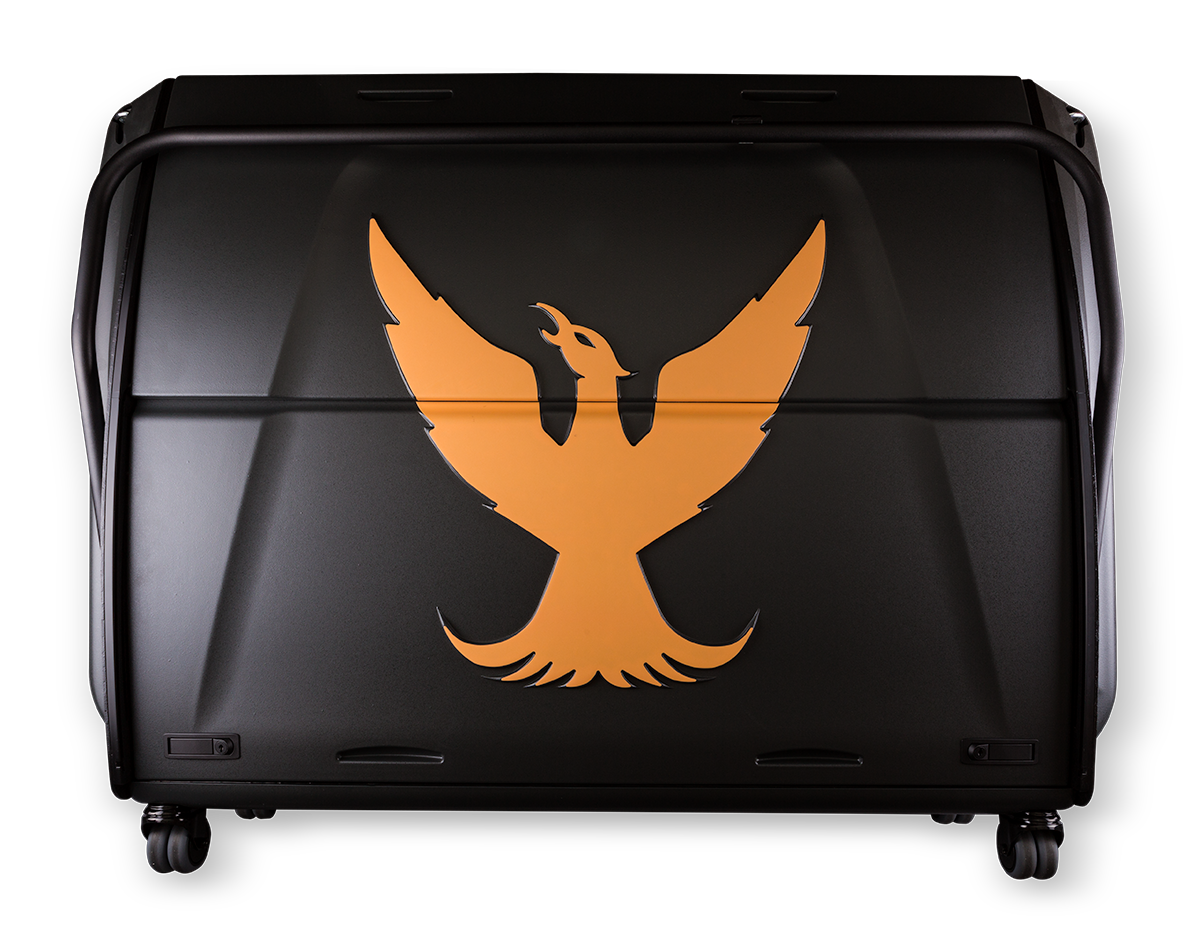
Kegel released the IKON Lane Machine.
Kegel began its partnership with Strike Maker.
Kegel founder John Davis was inducted posthumously into the Polk County Sports Hall of Fame.
2015
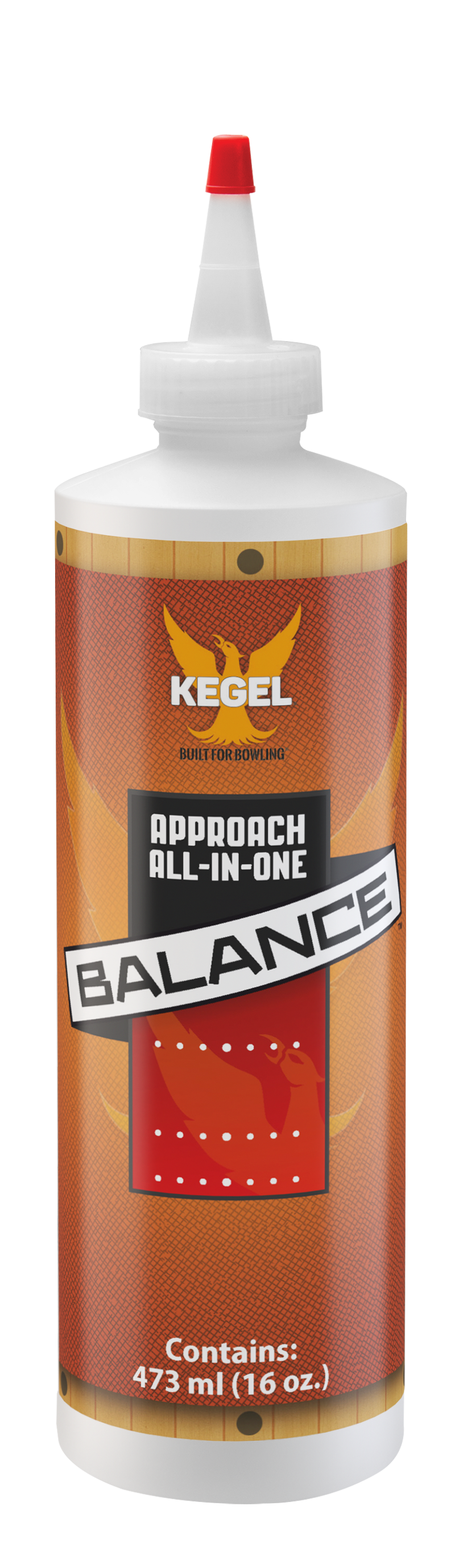
As part of Center Care’s product line, the Balance Approach All-in-One Solution was designed as a cleaning and conditioning product that provided bowling center approaches with an even, uniform sliding surface from gutter to gutter.
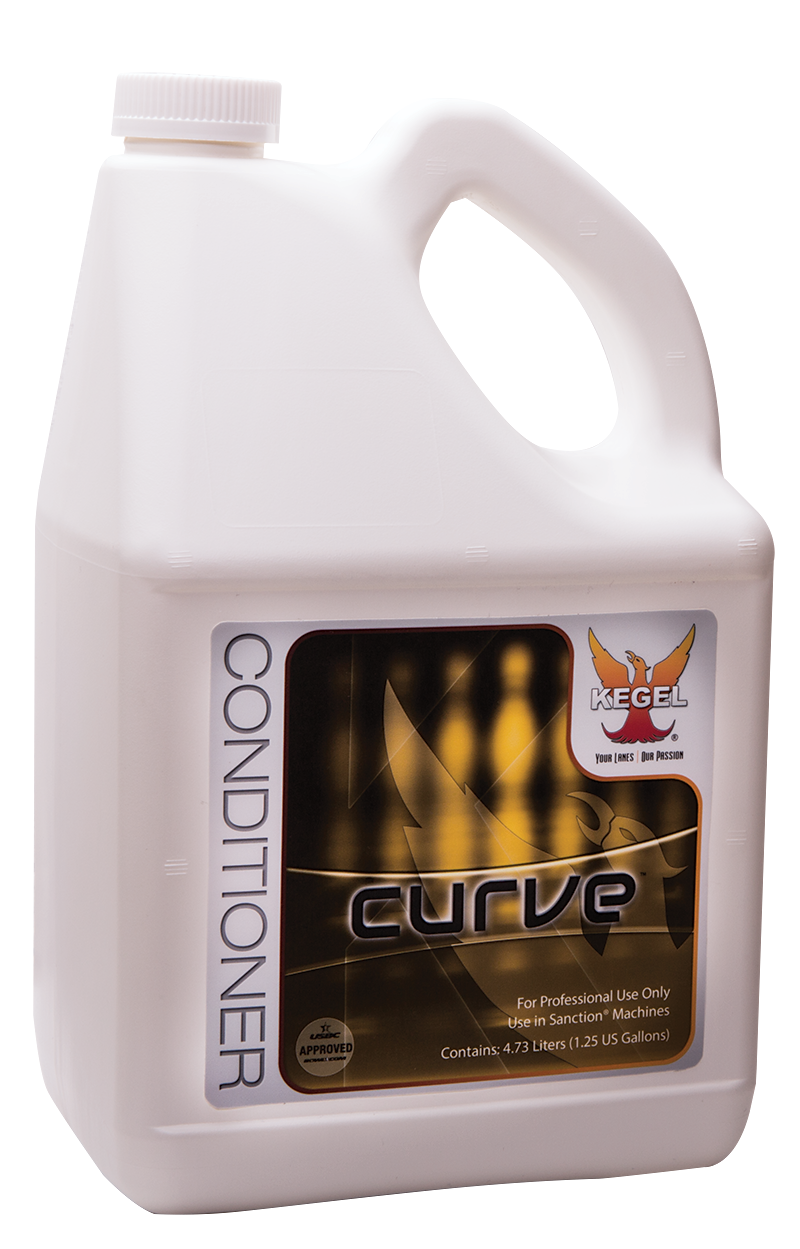
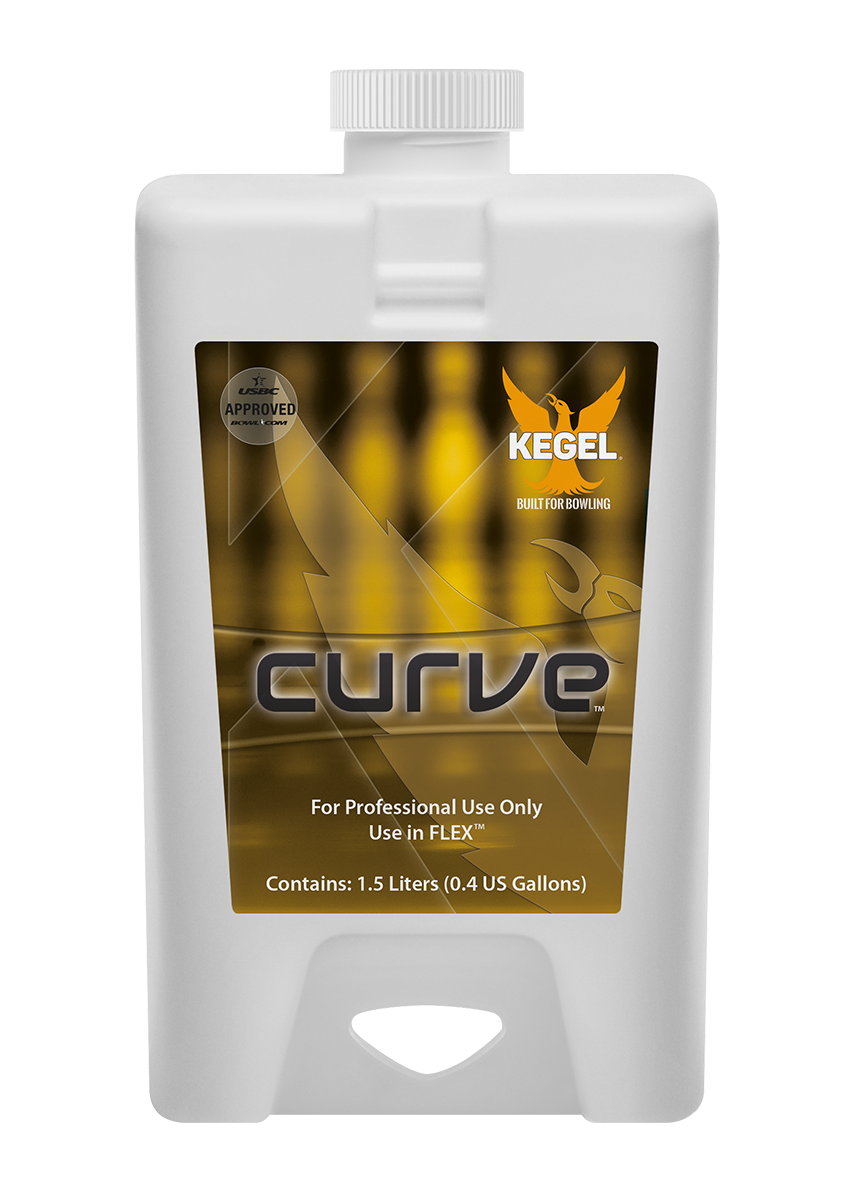
Curve Lane Conditioner was designed to provide more hook with predictable ball reaction while being pinsetter-friendly and easy to clean.
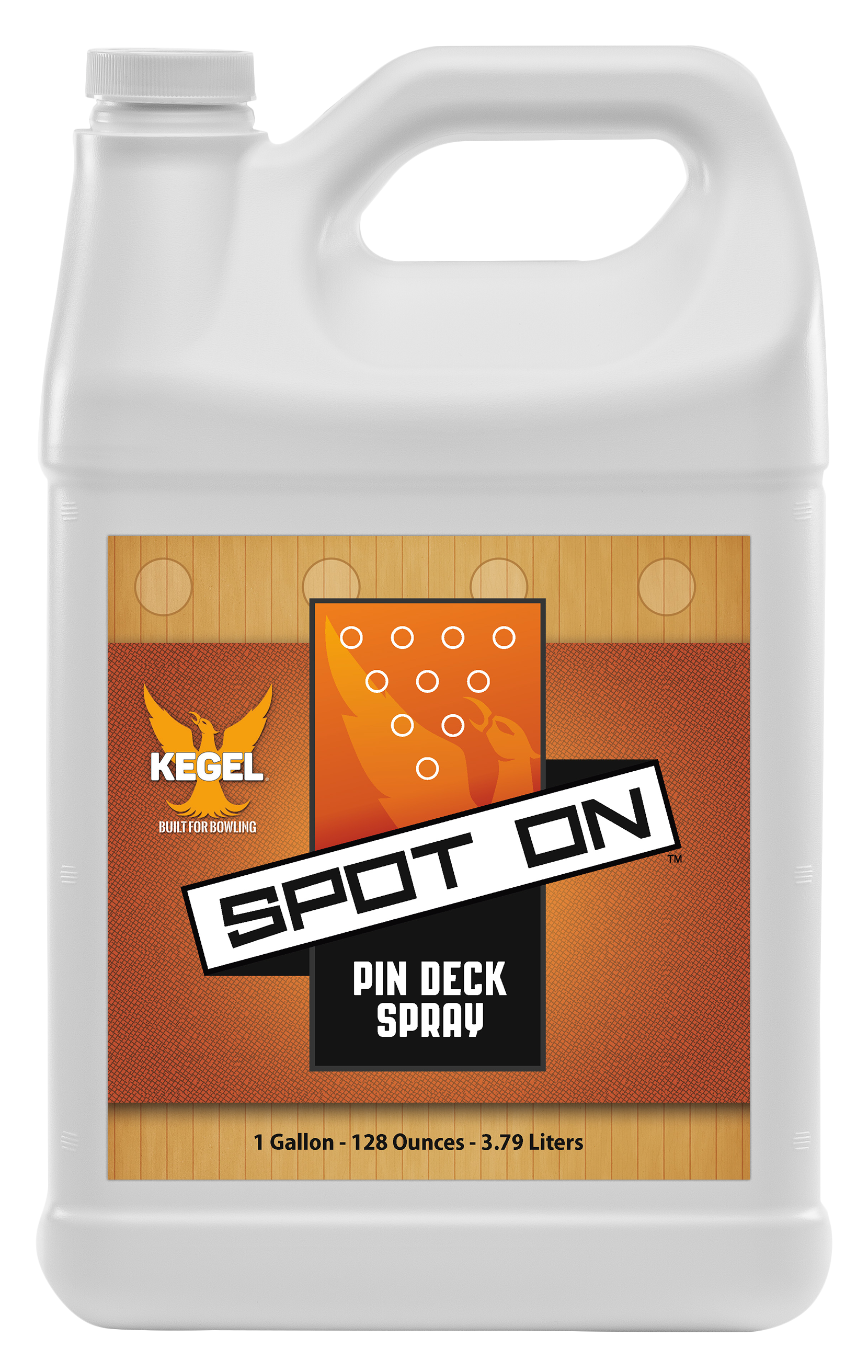
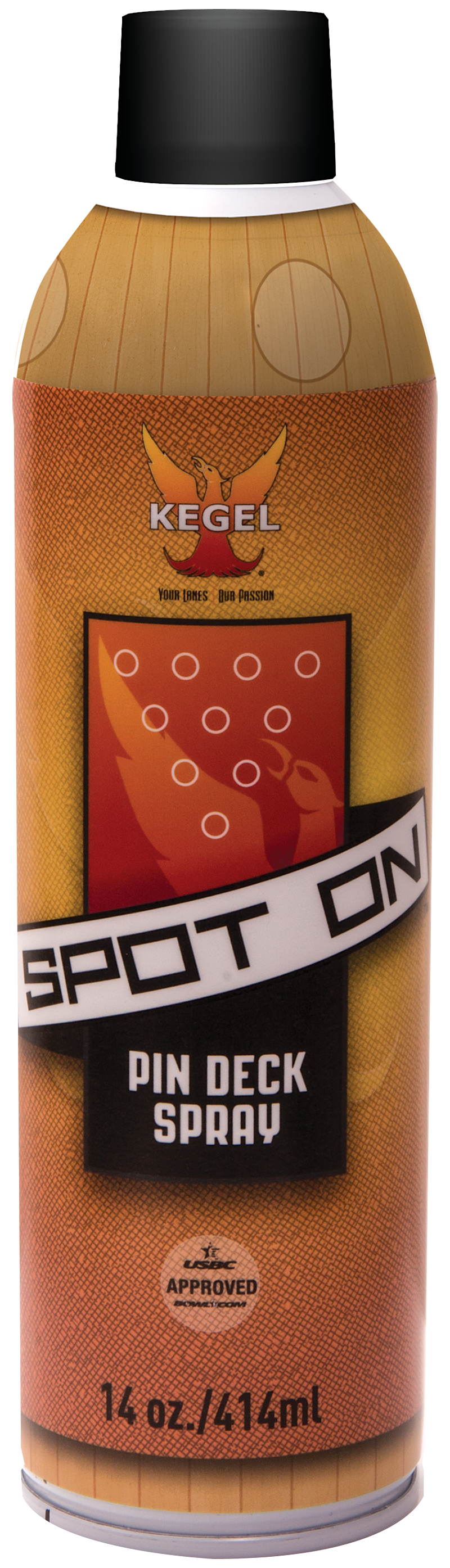
As part of Center Care’s product line, Spot-On Pin Deck Spray was designed for manual application or direct use in the FLEX lane machine. Spot-On helped prevent sliding pins and improve pin carry without requiring dilution like other products. It was also easy to clean and did not attract dirt to the pin decks.
2014

After three consecutive years as one of the Best Places to Work in Polk County, Kegel became an Employer of Distinction for 2014–2016.
Kegel expanded production by purchasing a second building in Lake Wales, Florida.
2013
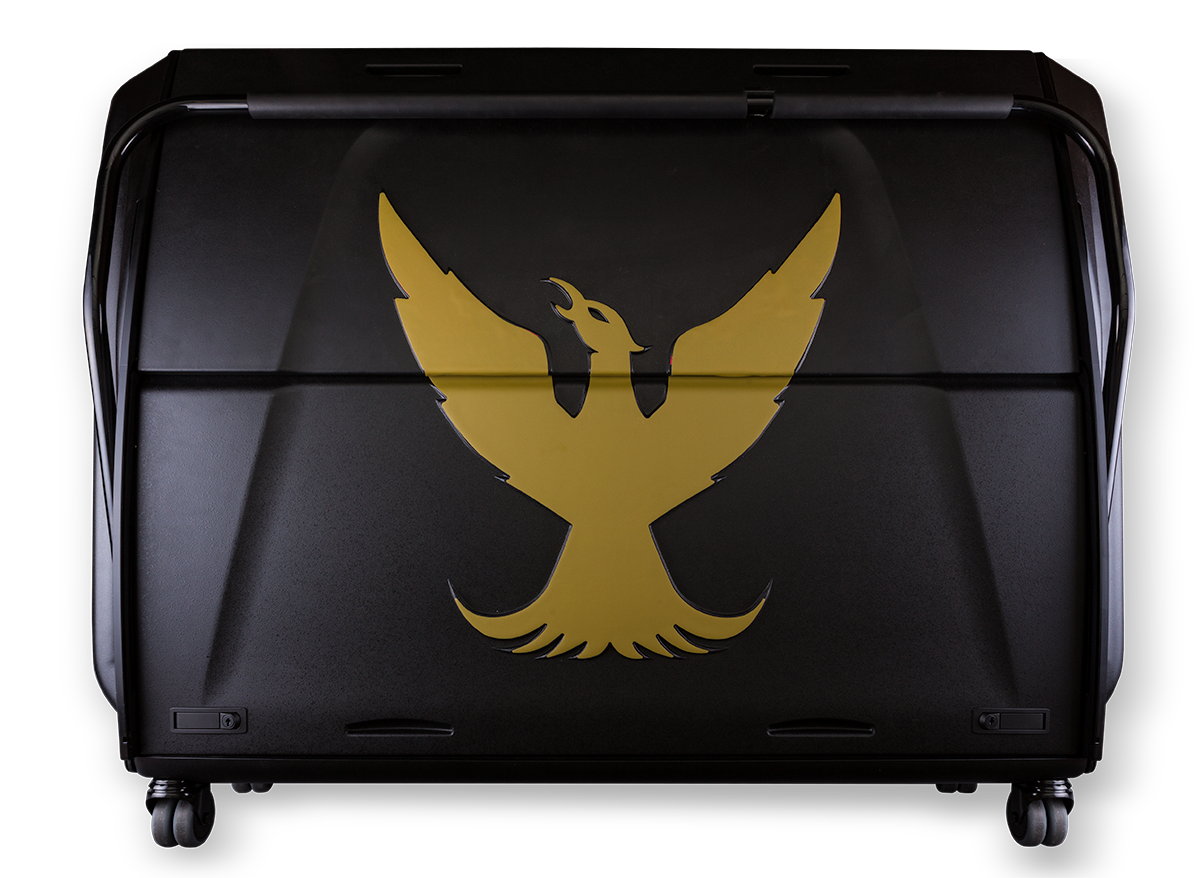
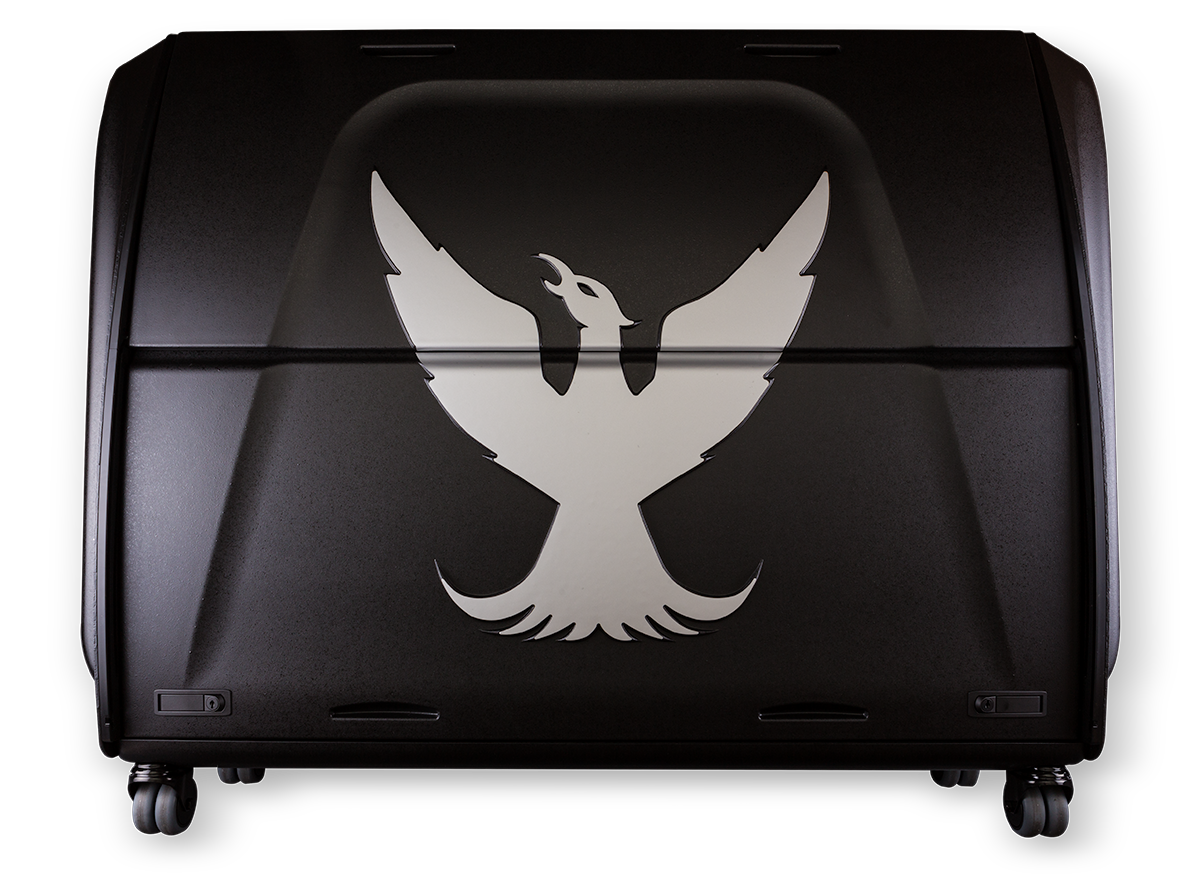
Kegel revolutionized the bowling industry with the release of the new FLEX and FLEX Walker. The FLEX Lane Machines were the first to feature Kegel’s DUO technology, which combined Sanction Technology® with dual conditioner cartridges.
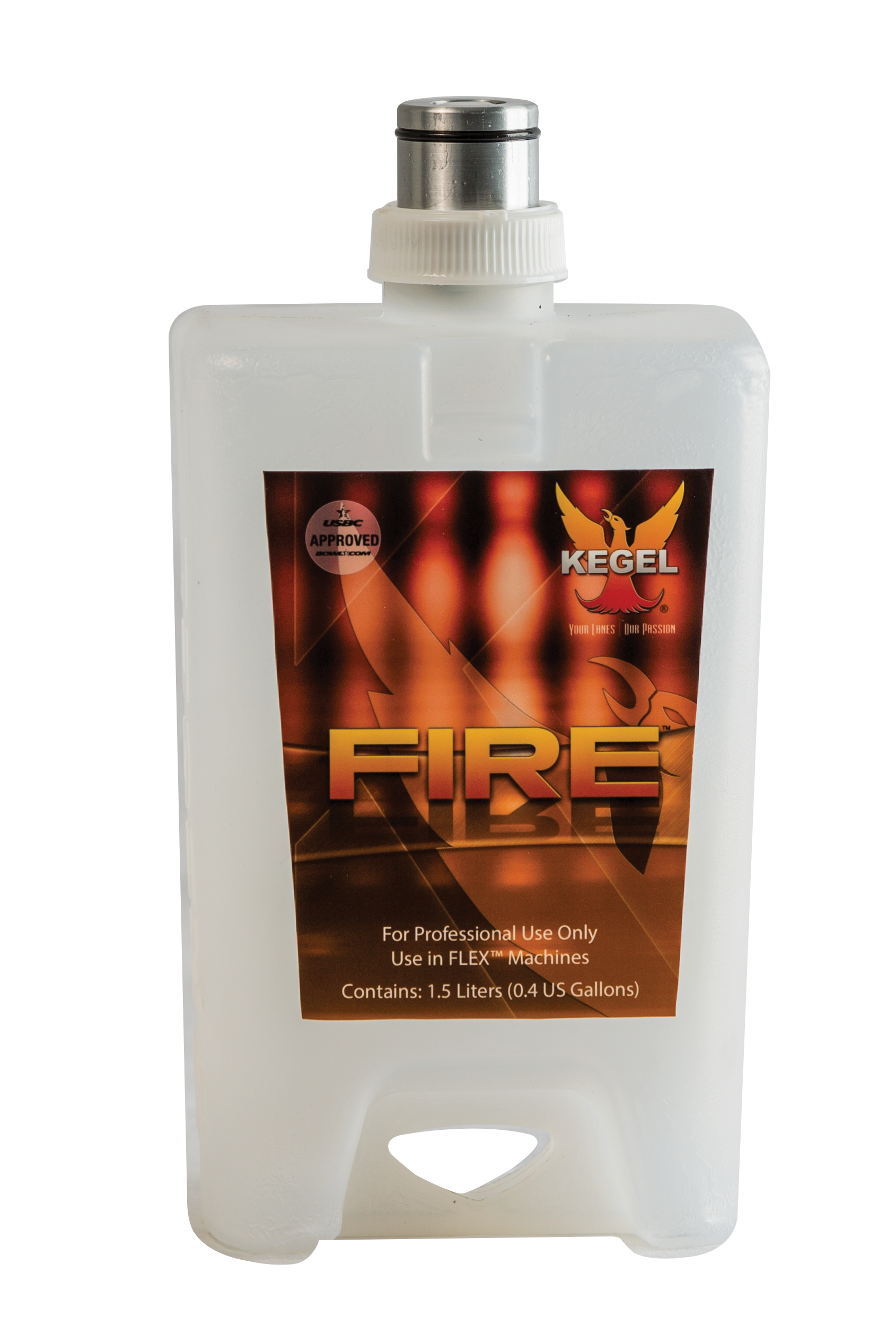
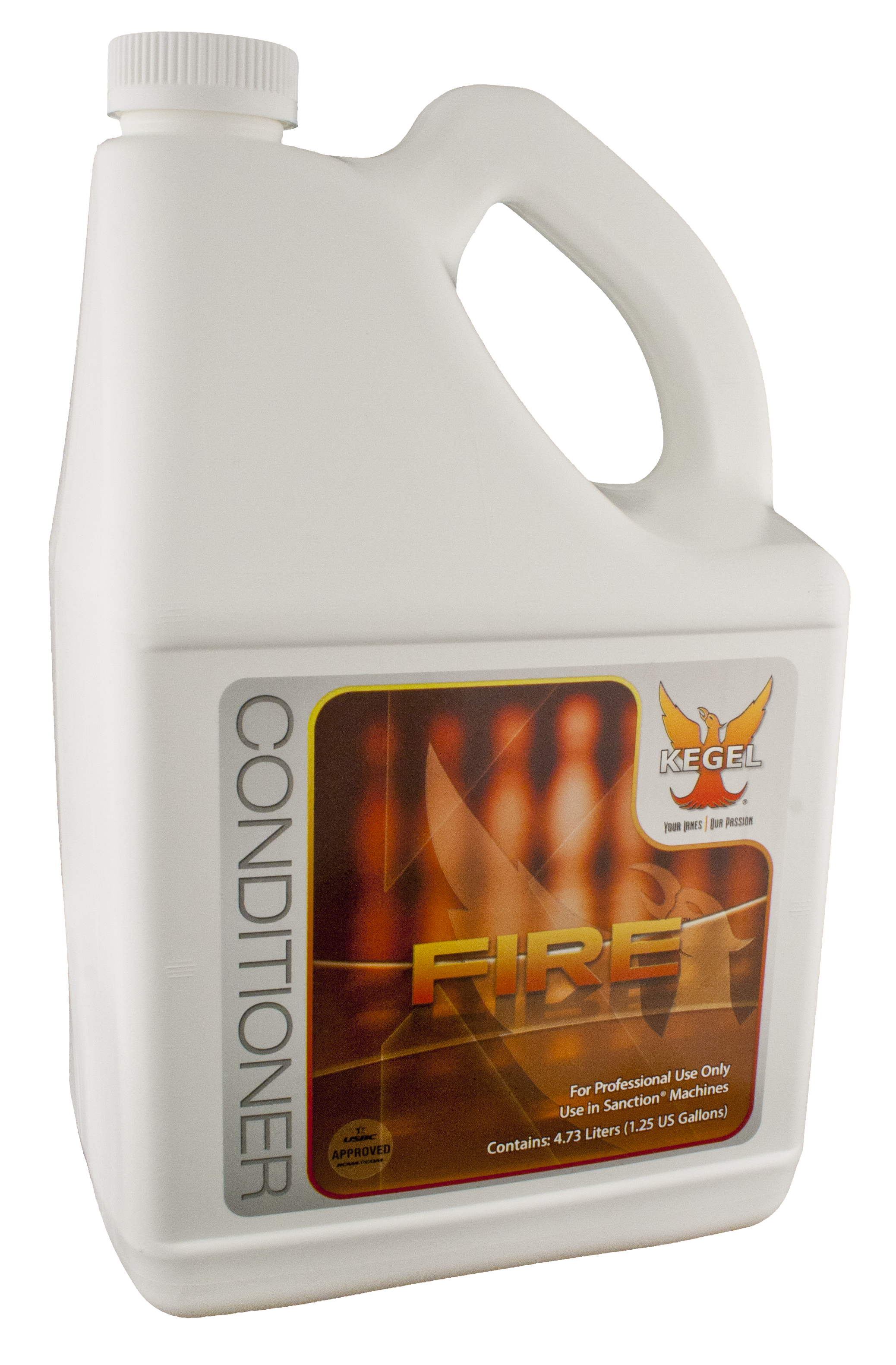
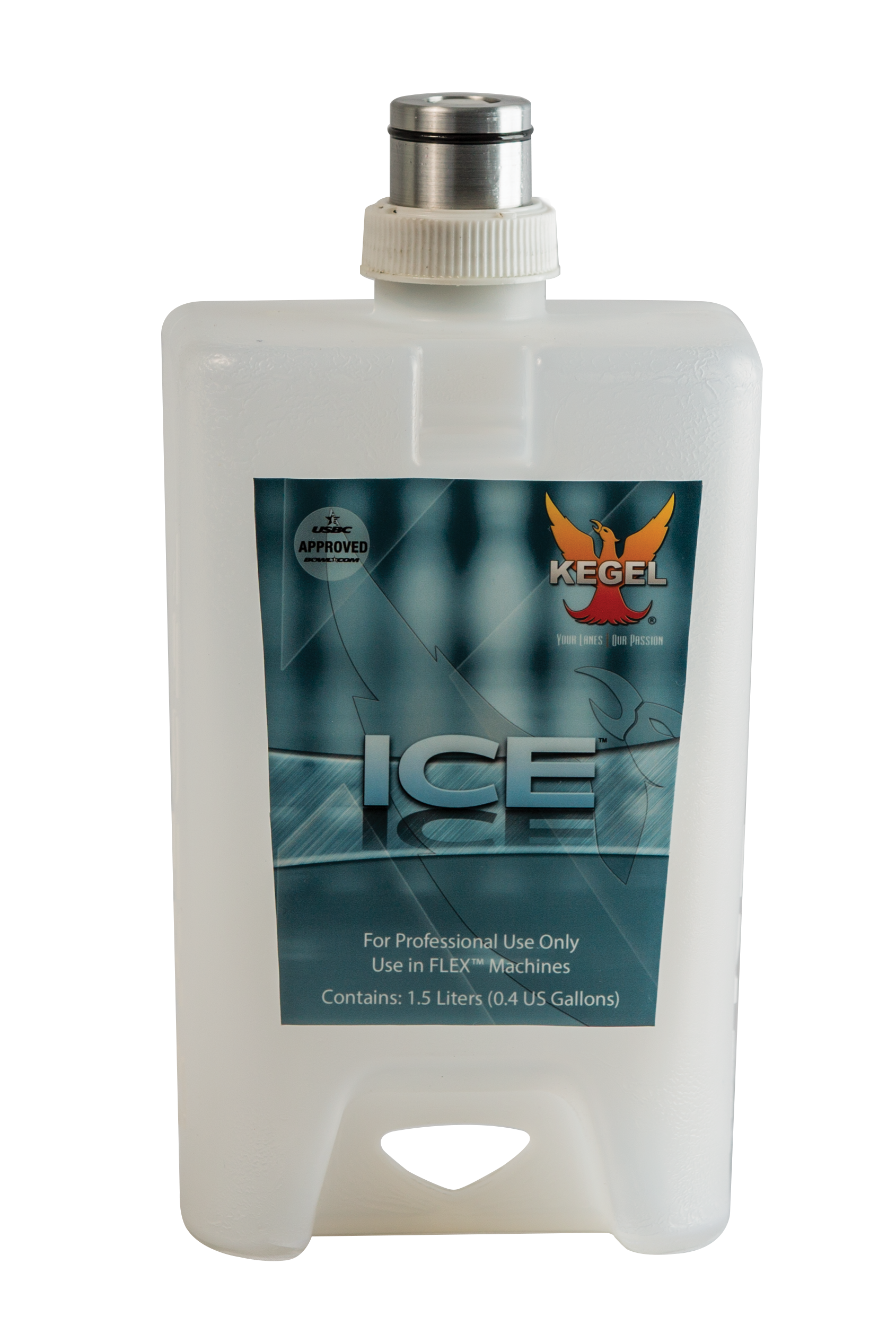
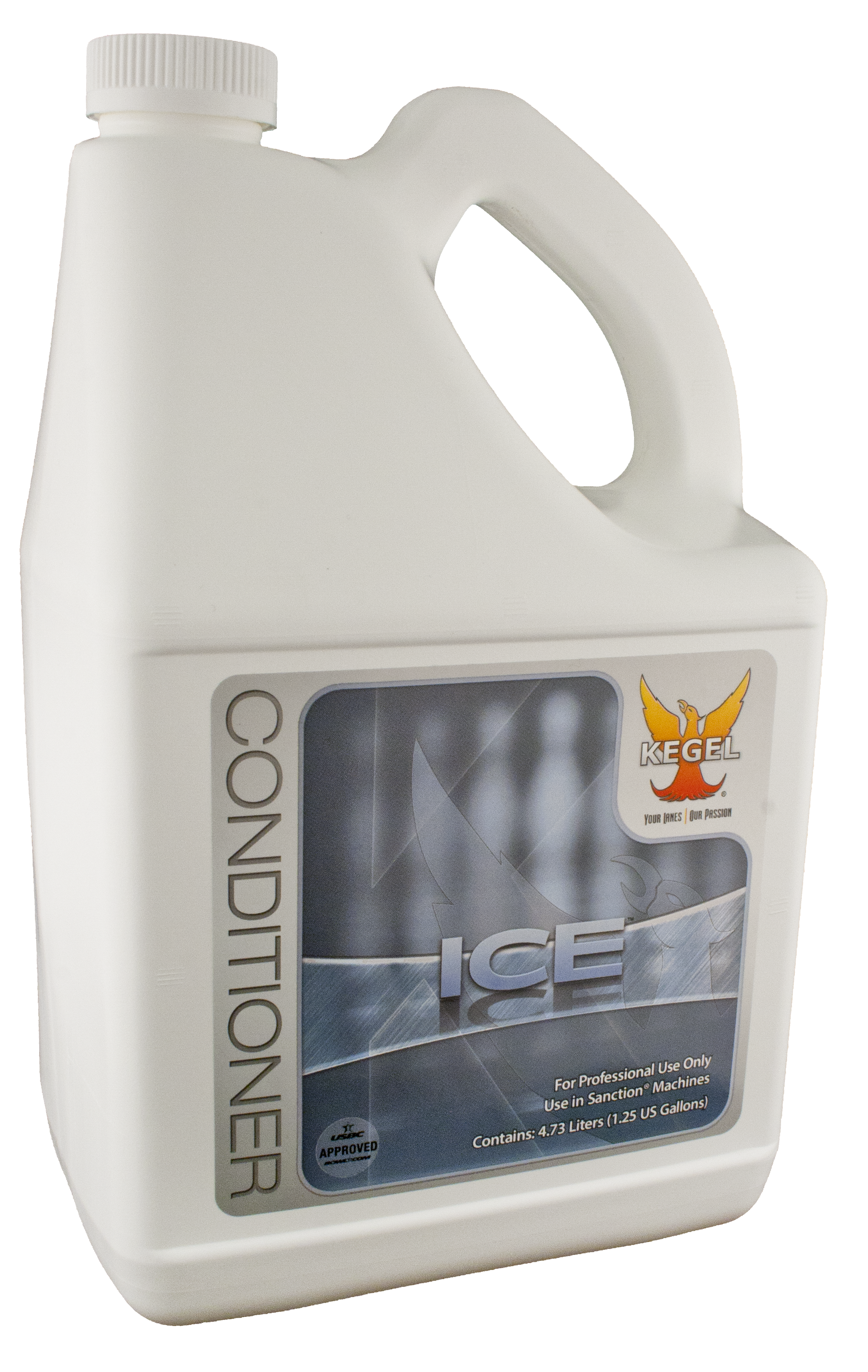
Ice was created as part of the first duo of compatible lane conditioners. Fire and Ice could be used together in the FLEX machine to create extremely durable yet backend-friendly lane conditions. Ice was durable and provided better grip on high-friction lane surfaces, while Fire, as a companion to Ice, provided more hook for slick lane surfaces.
Kegel was named one of the Best Places to Work in Polk County.
January 25, 2013
Kegel mourned the passing of its founder, John Davis, whose vision and innovation helped shape the company and the bowling industry.
2012
Kegel returned to its roots and officially launched Kegel Pinsetter Parts. Using high-quality materials and a team of experienced pinsetter mechanics, Kegel sought to provide innovative and durable products.

The Mechanics Guild, a group of high-level mechanics, was founded. Each member brought skills from an individual background to advance the trade through education and mentoring.
Kegel was named one of the Best Places to Work in Polk County.
2011
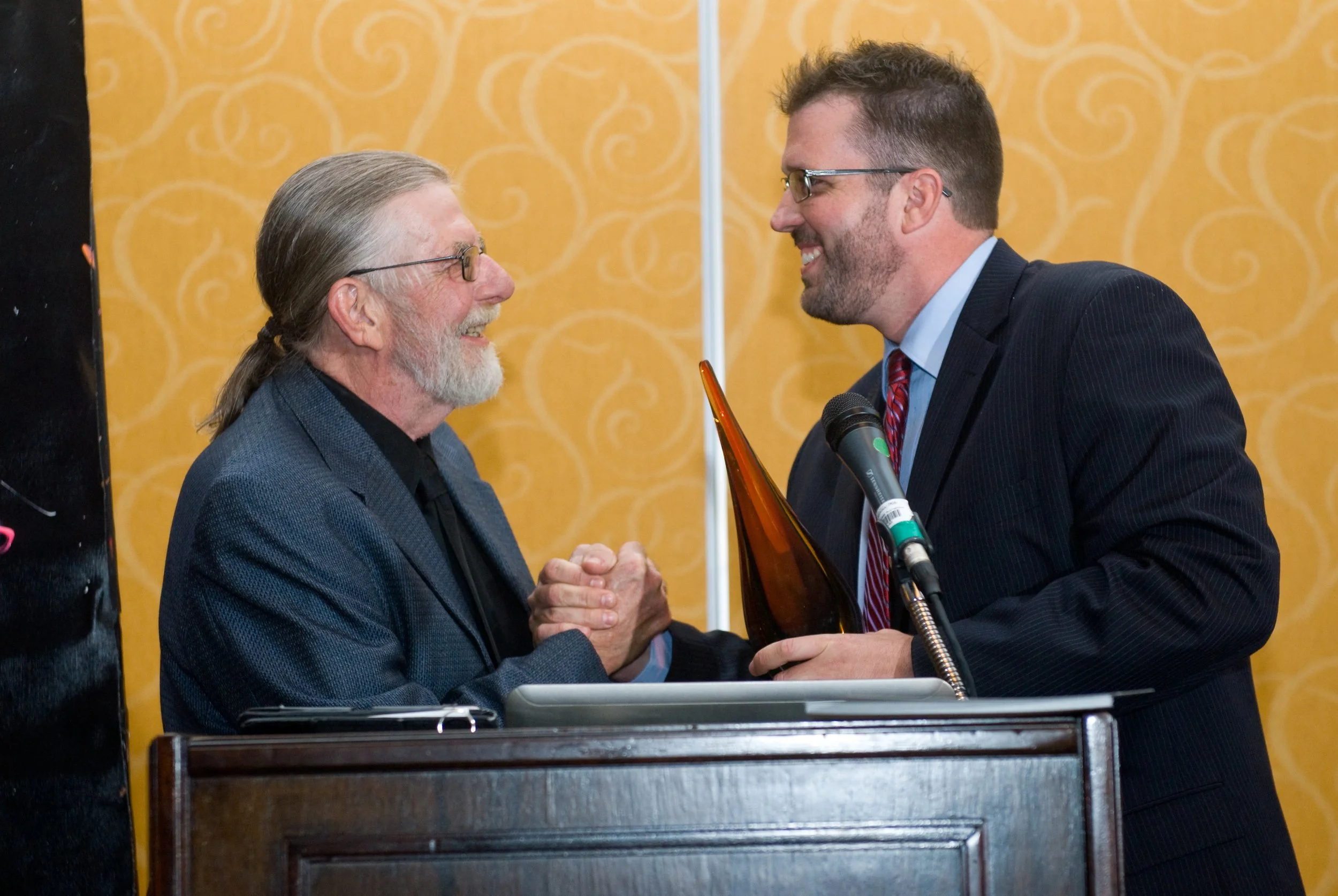
The year marked Kegel’s 30th anniversary in business.
Kegel was named one of the Best Places to Work
in Polk County.
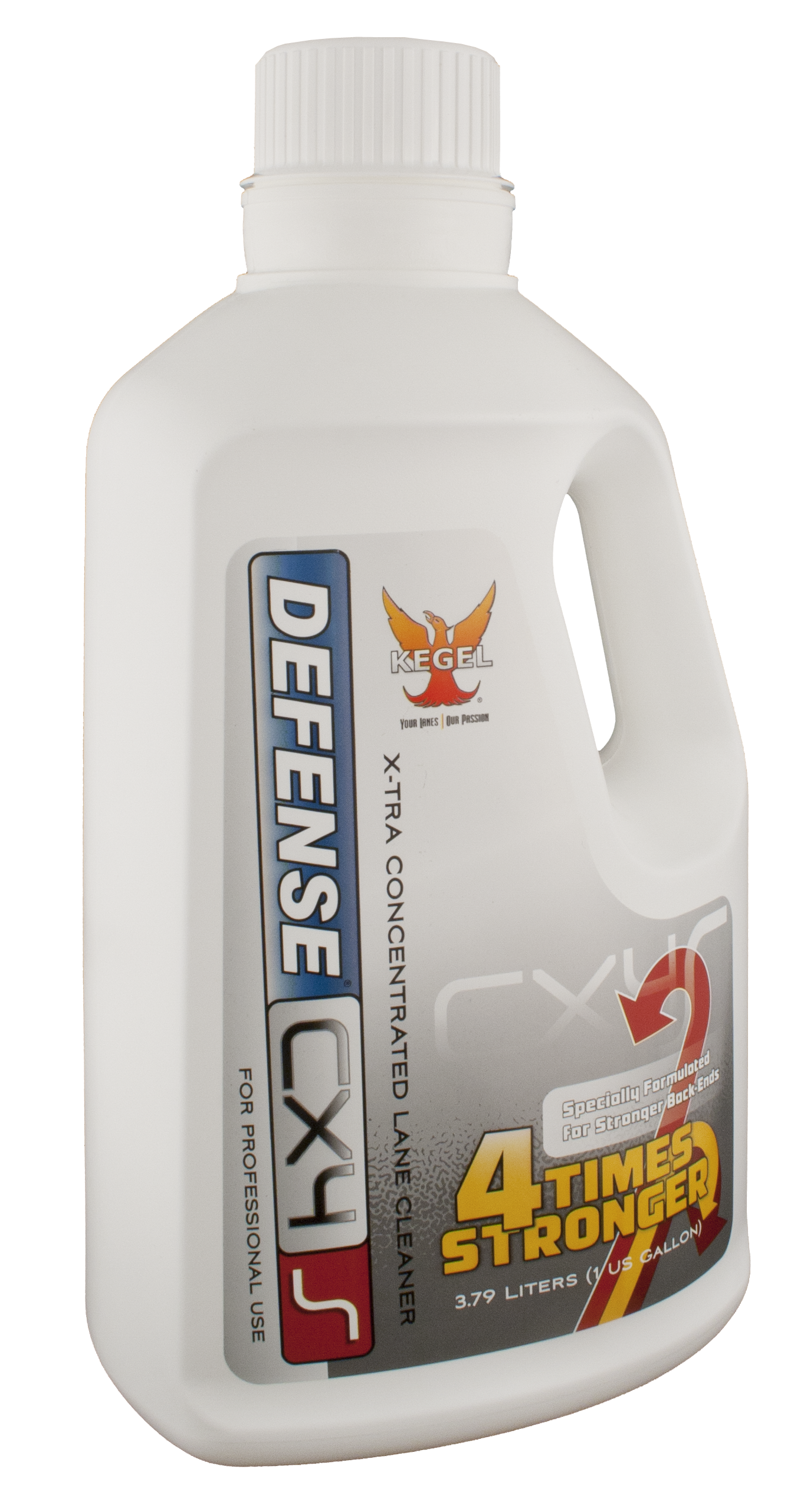
Defense CX4S was created for lower friction surfaces to get stronger ball motion or extra back end
2009
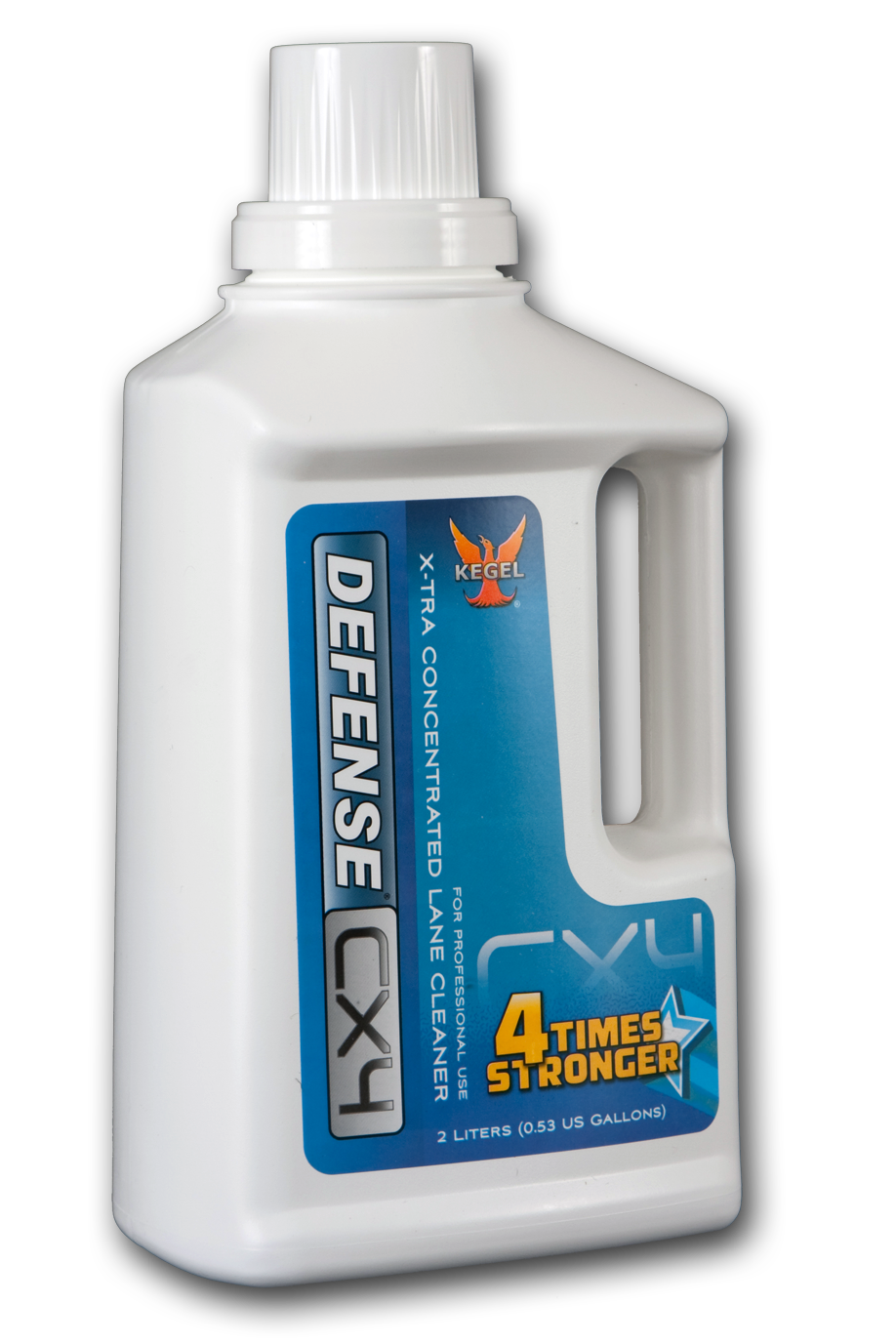
Defense CX4 was created to be a super-concentrated version of Defense-C; four times as strong, giving similar cleaning properties while saving space in storage and saving money on shipping.
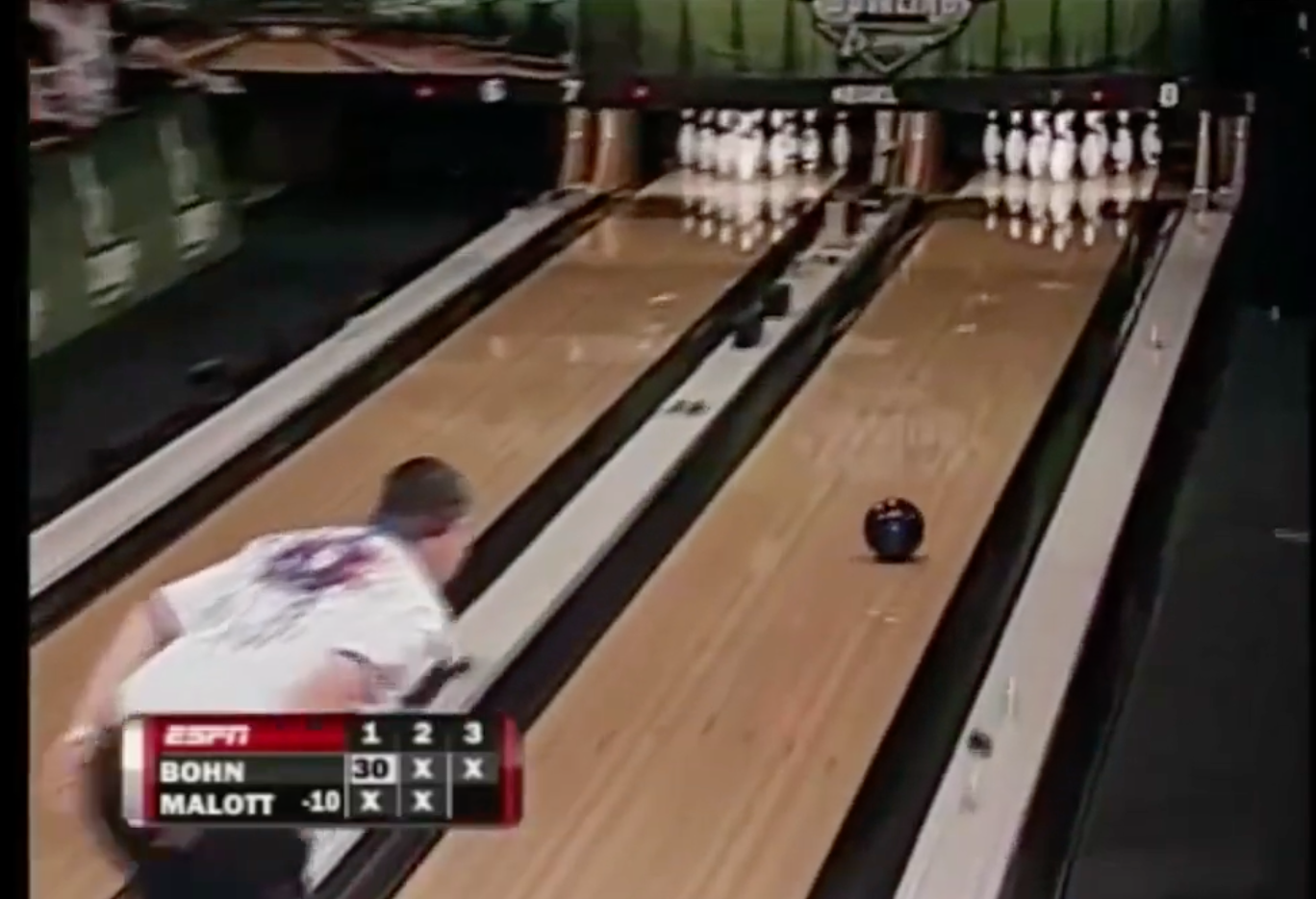
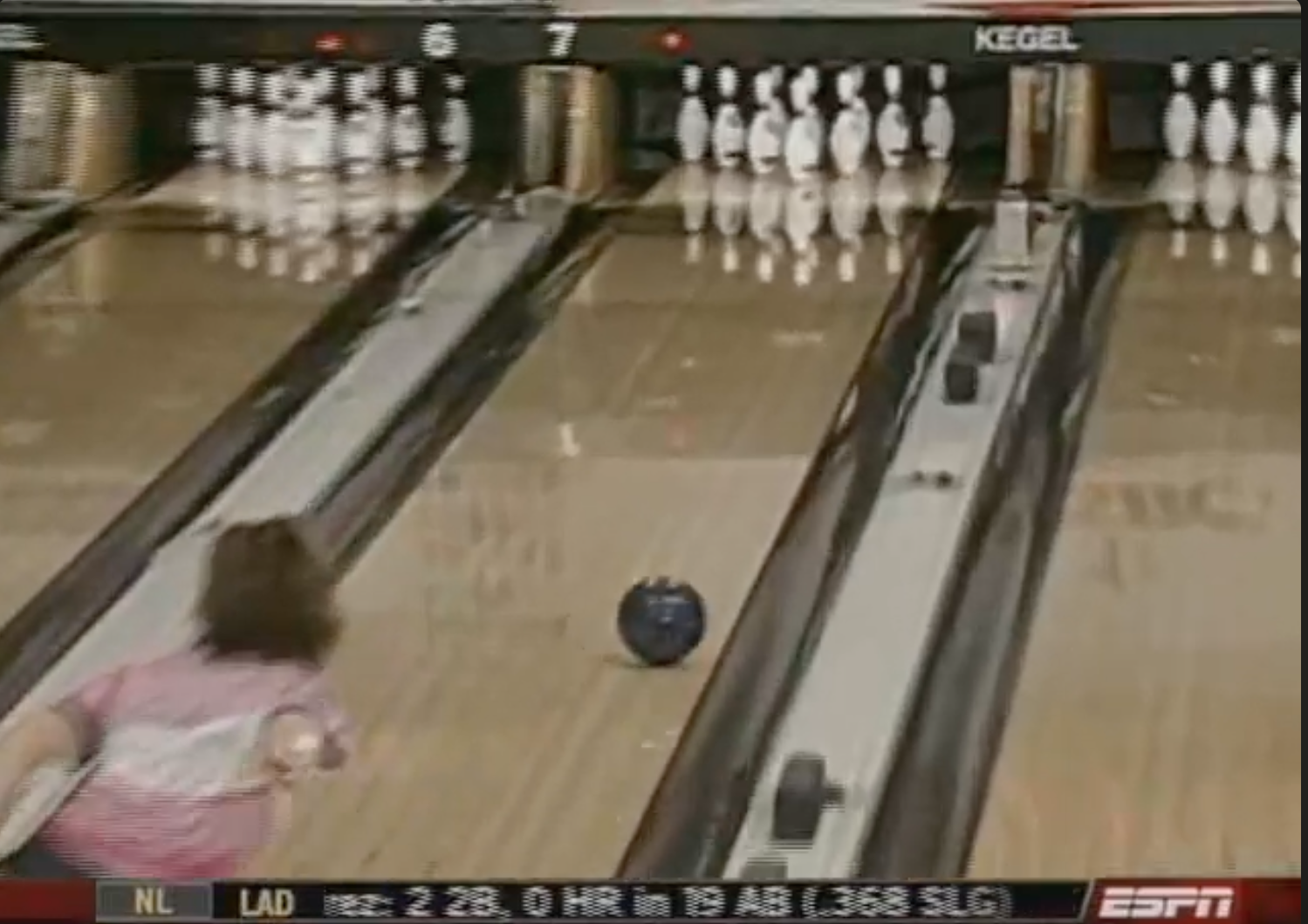
Kegel hosted the PBA King of the Hill Competition, won by Wes Malott, and the PBA Women’s Series Showdown, won by Carolyn Dorin-Ballard.
2008
Kegel released Sport model machines featuring a 5-inch full-color touchscreen interface, 30 patterns preloaded in memory, and the ability to change the per-board microliter stream with the touch of a button.
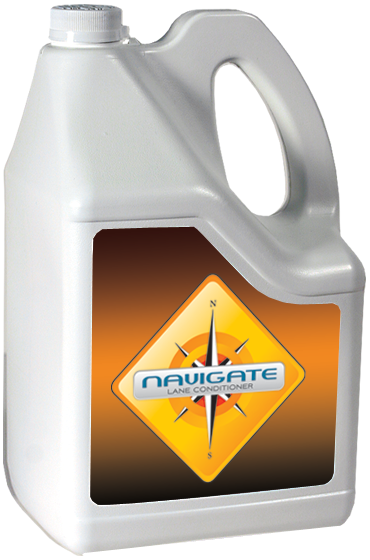
Navigate Lane Conditioner was created as an “in-between” option for centers with substantial league lineage seeking durability and consistent backend reaction while also accommodating significant open play and reducing ball calls and out-of-ranges.
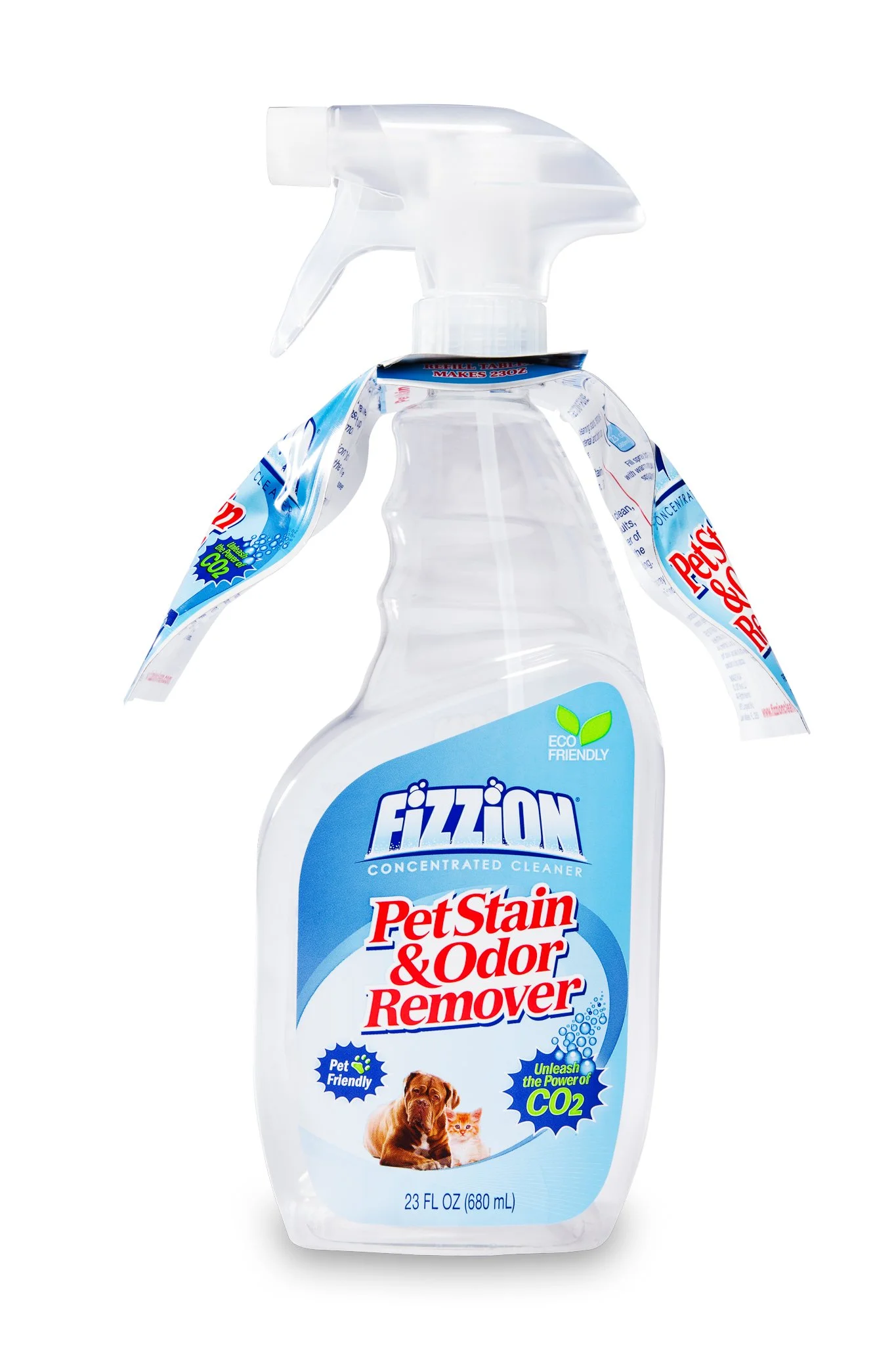
Based on Kegel’s revolutionary bowling lane tablet product, Kegel launched a tablet pet stain and odor product called Fizzion. Household Fizzion won numerous awards in 2009, including Pet Product News’ “Editor’s Choice Award,” Modern Dog’s “Best Pick for Under $20,” and Modern Dog’s “Green Pick Award.”
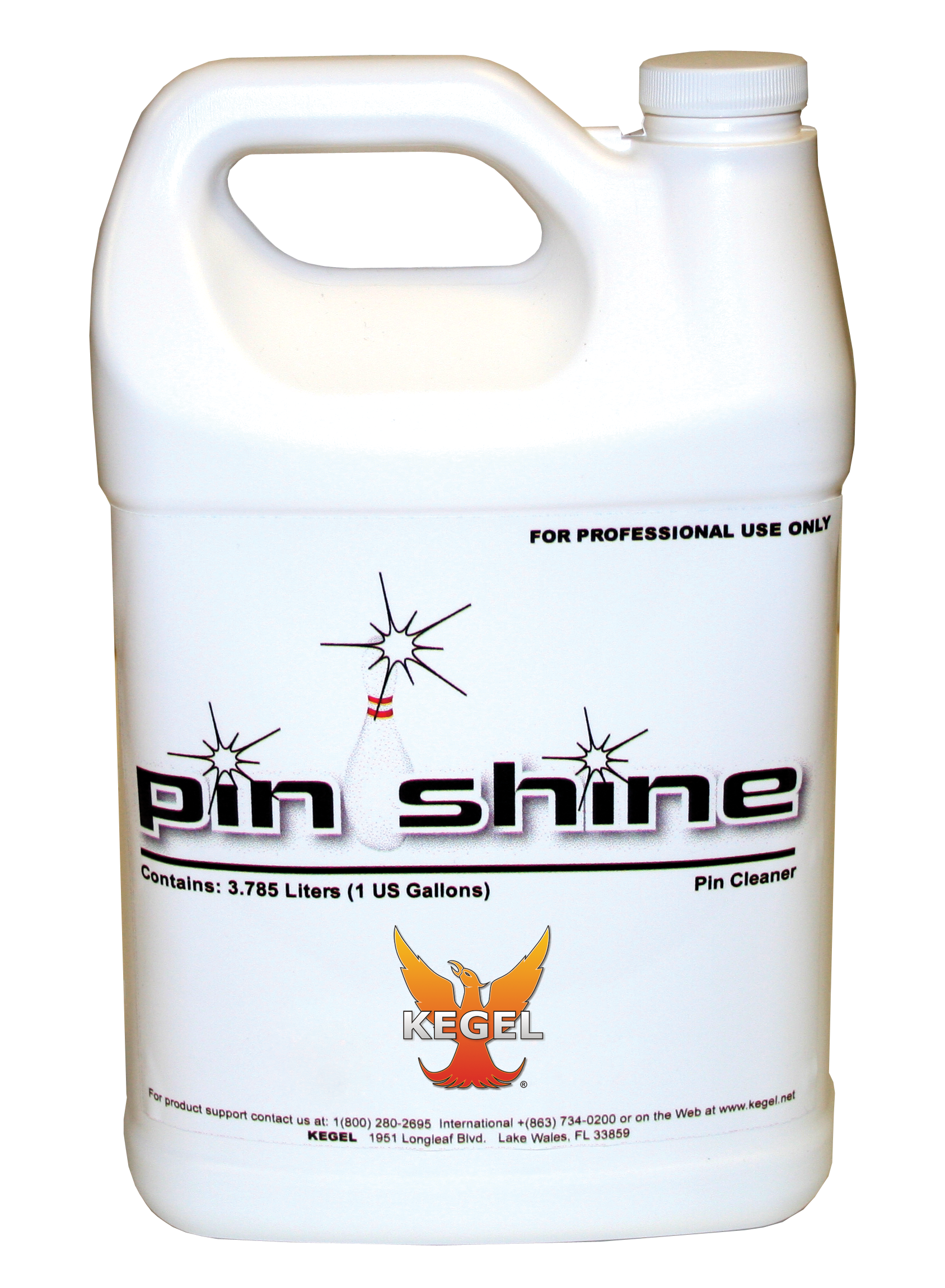
Pin Shine cleaner was created for use with the Pin Shine pin cleaning machine. The Pin Shine solution cleaned the pins, helping reduce pinsetter problems and keep bowling pins looking newer longer.
2006
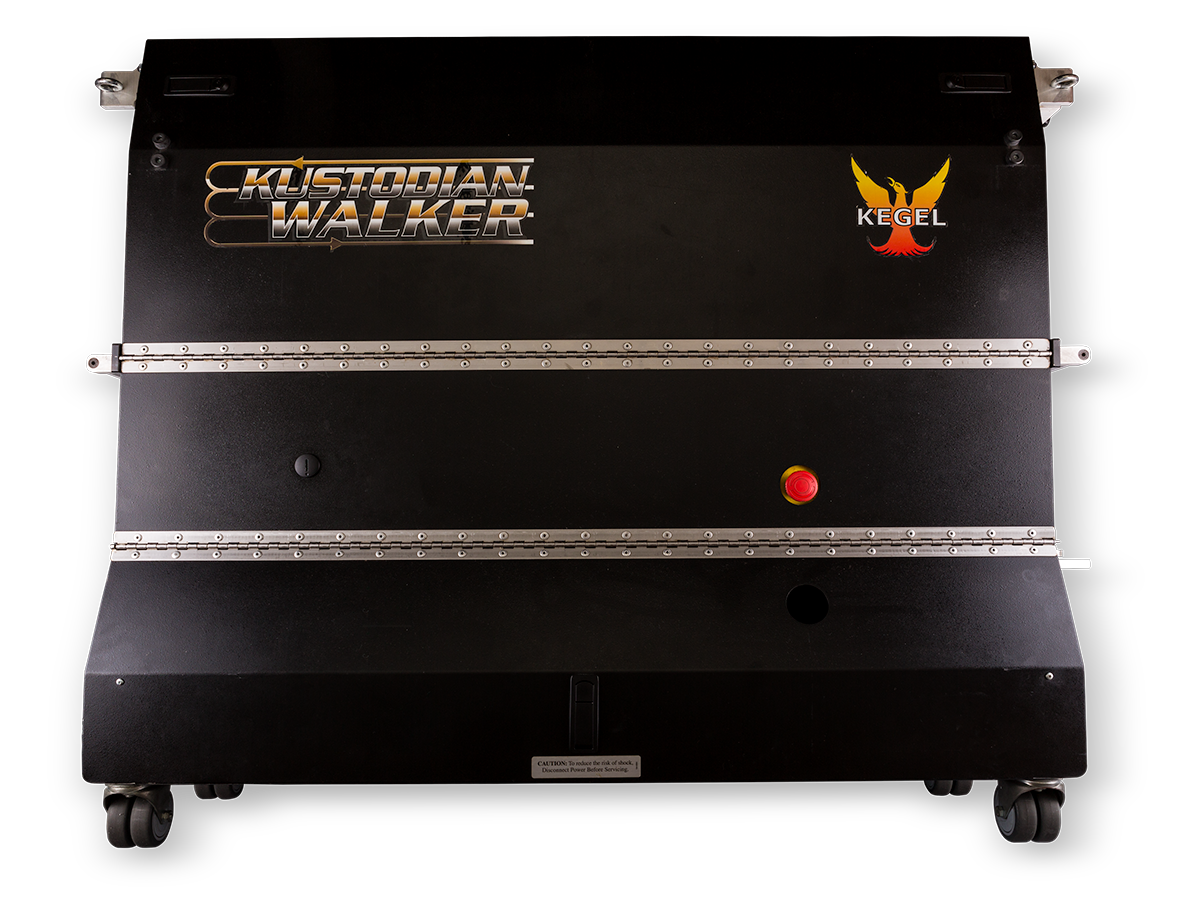
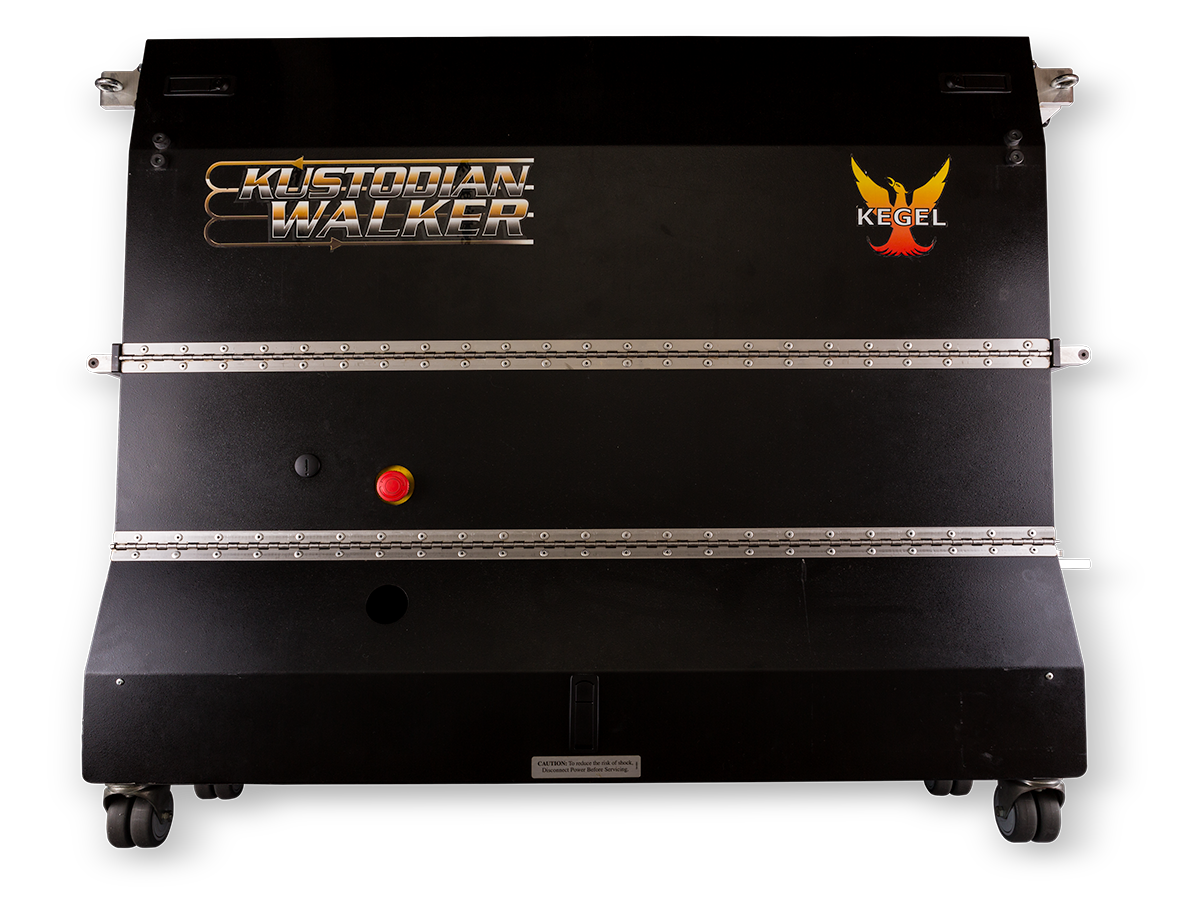
The First Battery Powered walking lane machine, the Kustodian Walker was released.
Kegel launched a robust new website that included better navigation, a fully stocked pattern library, and a distributor portal.
Kegel celebrated its 25th anniversary.
2005
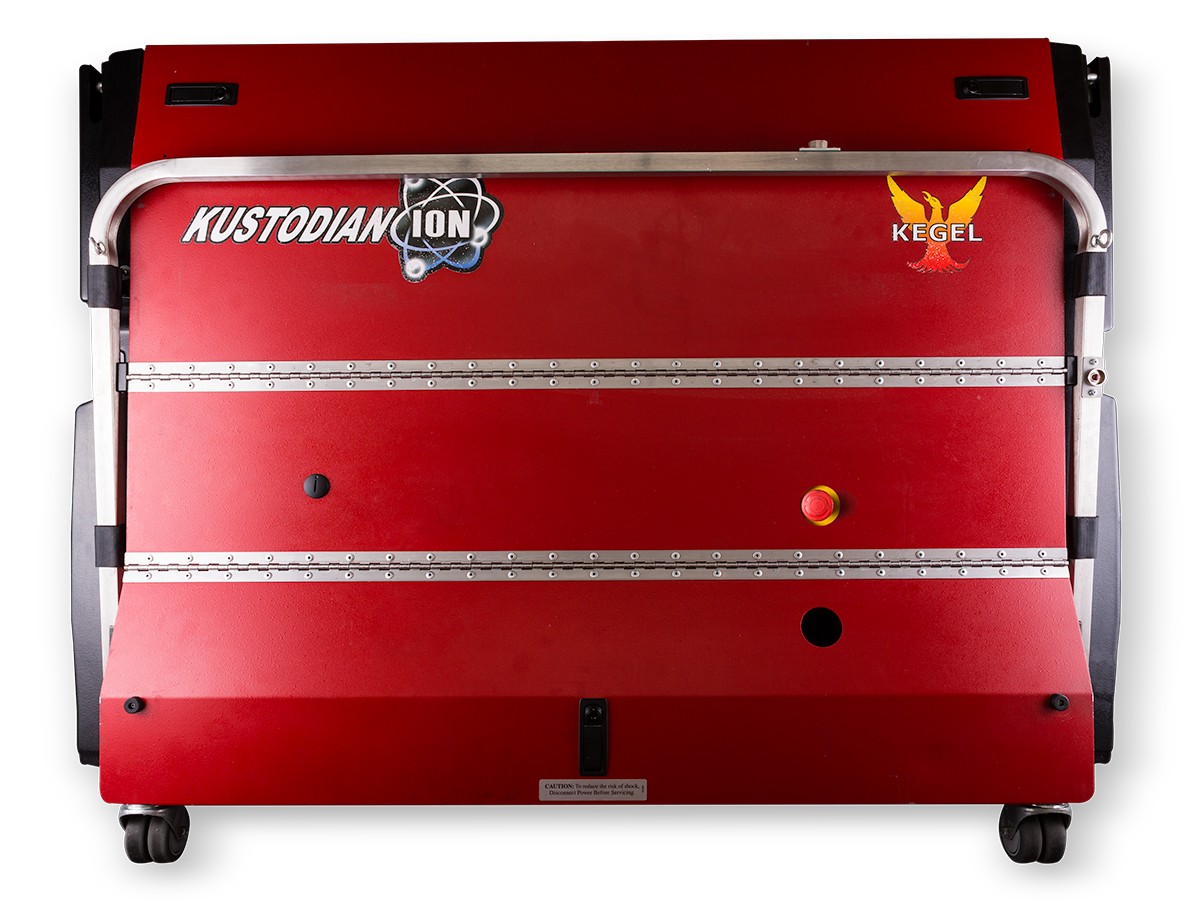
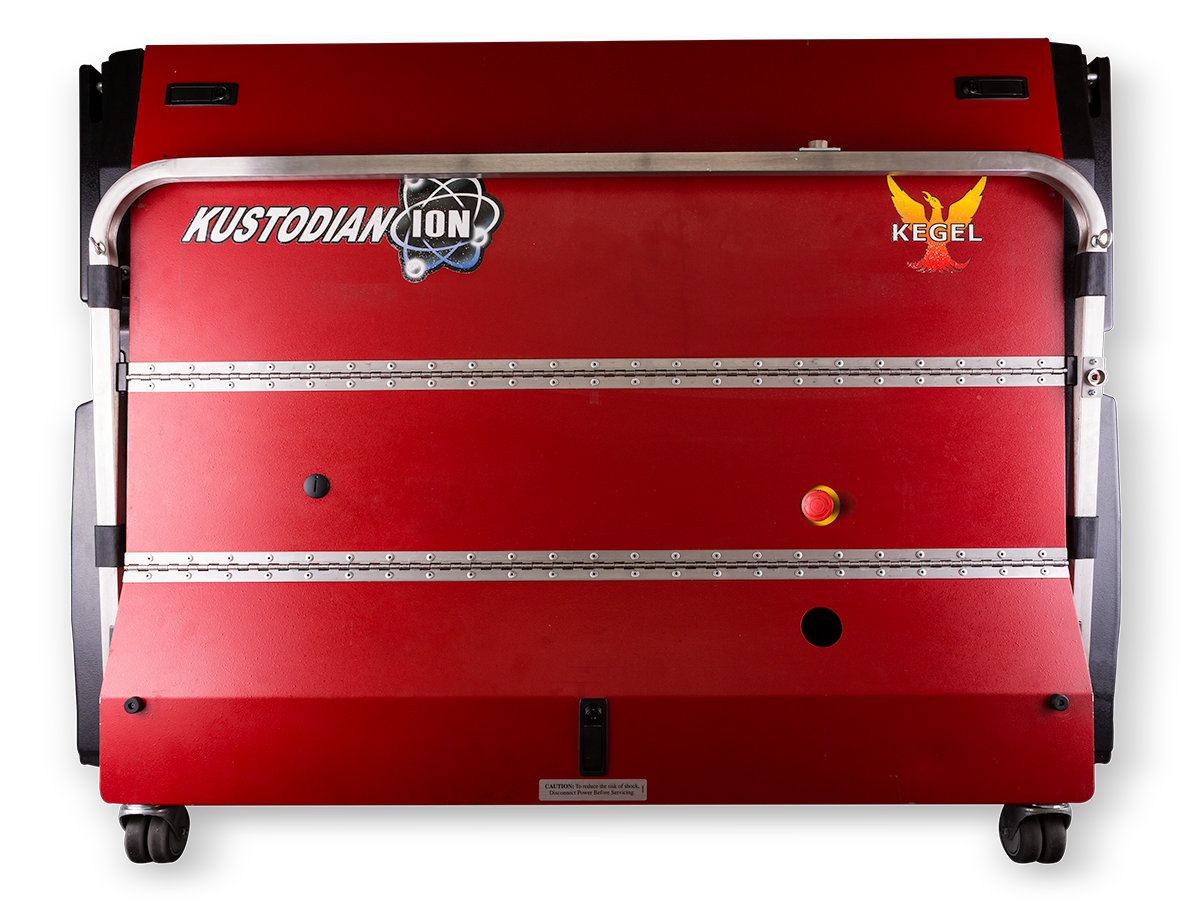
Kegel introduced the Kustodian ION, described as the world’s first battery-powered combination lane machine.
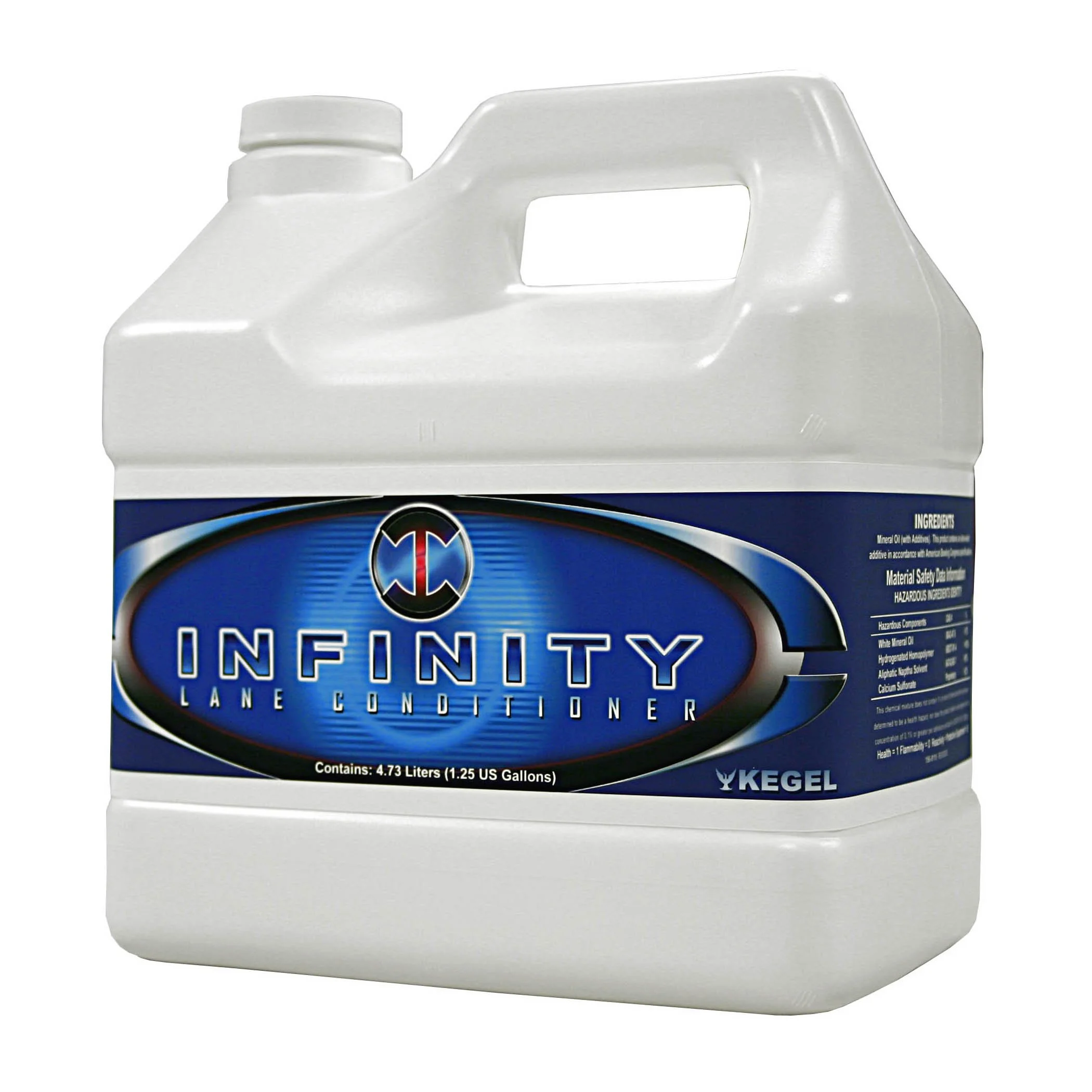
Infinity became the next-generation Sanction Technology-only lane conditioner to reach the market after Offense HV.
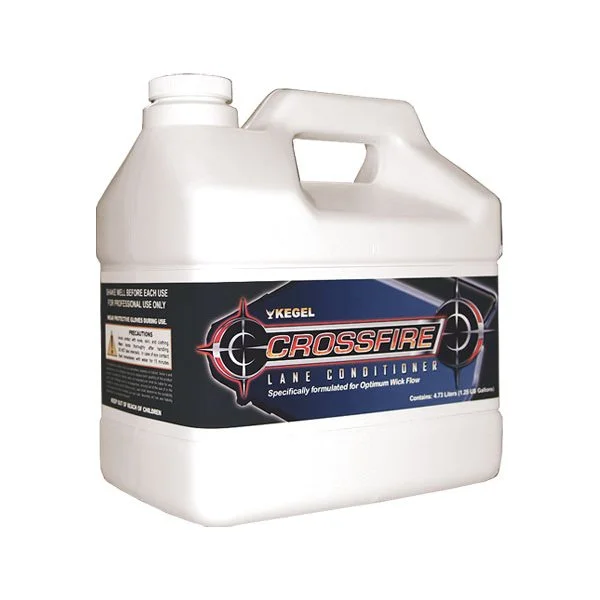
Crossfire Lane Conditioner was created to complement the Crossfire lane machine
but formulated to work in any wick/pad machine.
2004
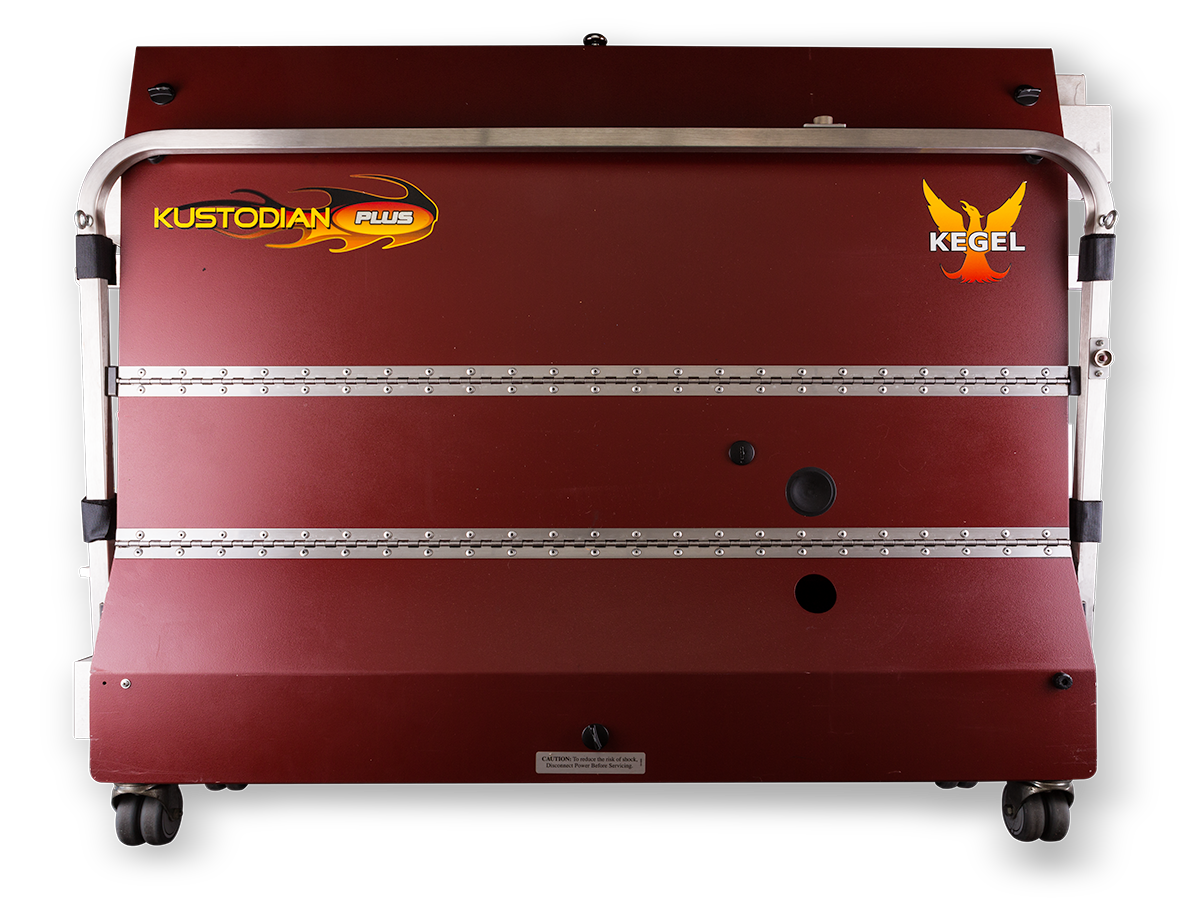
Kegel released the Kustodian Plus, the next generation of the popular Kustodian lane machine. It featured Kegel’s newly patented “sprayless” cleaning system, which eliminated cleaner overspray in bowling lane gutters and helped keep bowling centers cleaner.
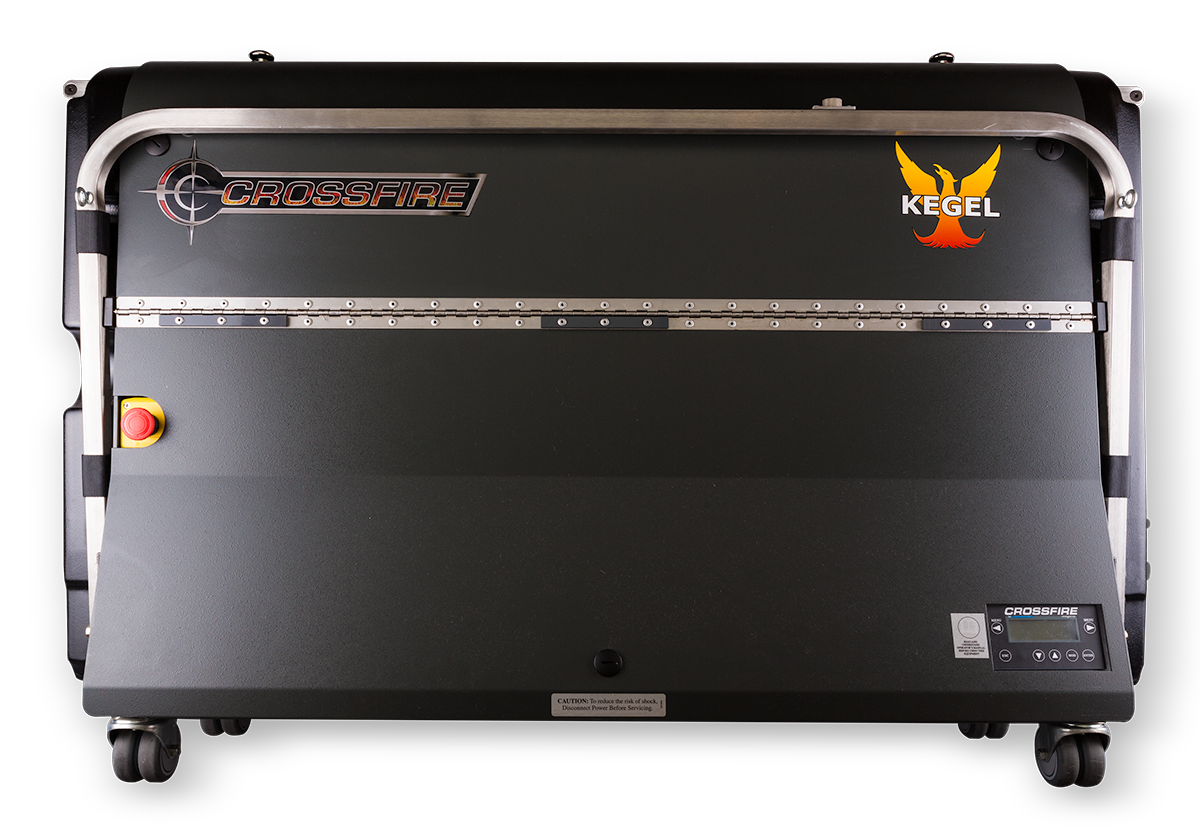
Kegel also introduced the Crossfire, a wick machine for smaller centers.
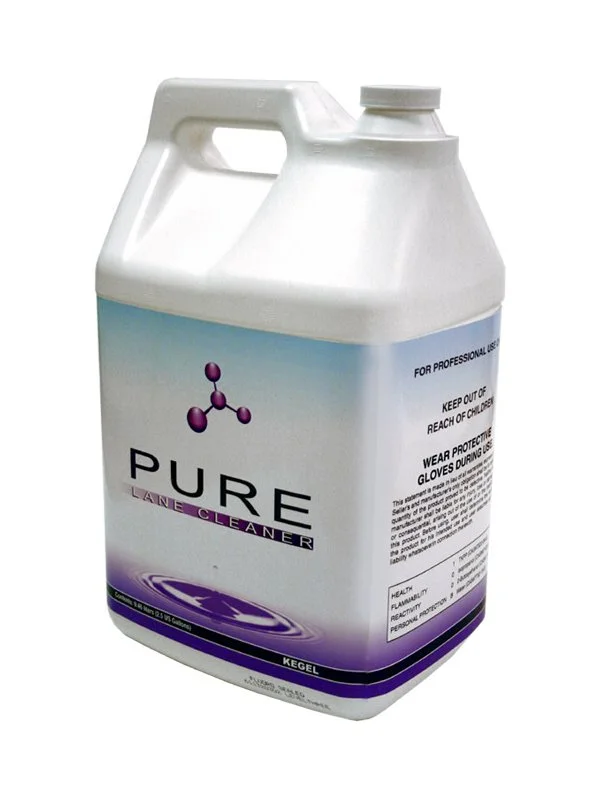
Kegel introduced the Pure cleaner - a neutral pH cleaner with “oil splitting” technology.
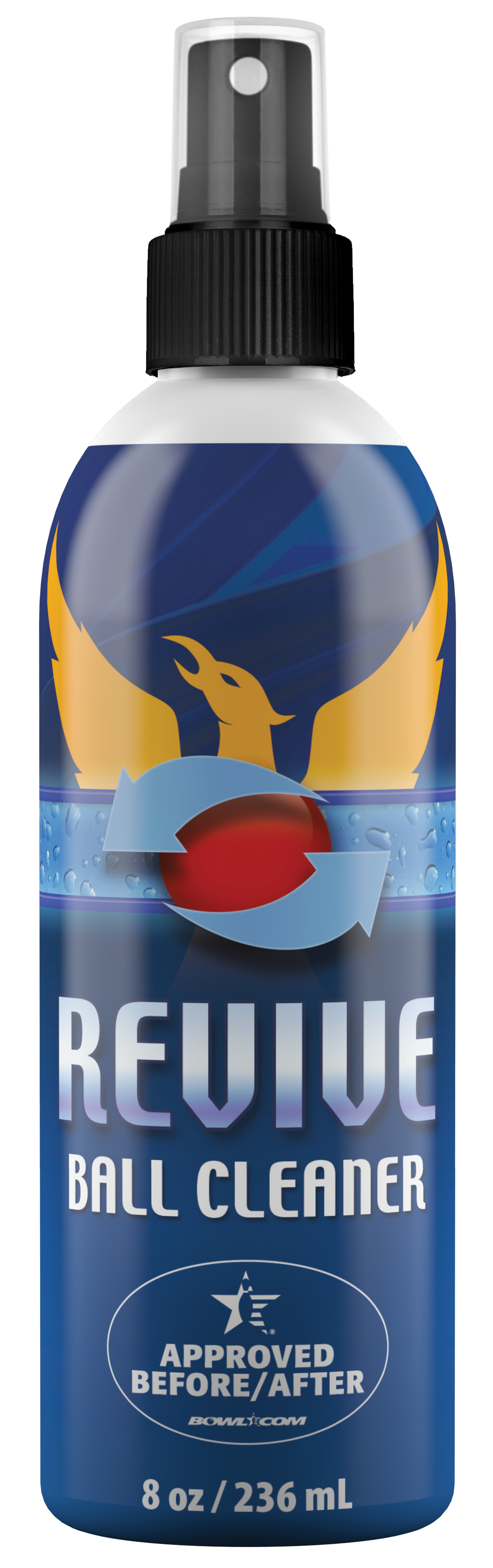
Revive Bowling Ball Cleaner was also released this year but was initially sold only in Kegel pro shops (released market-wide in 2009). Because Kegel manufactured the conditioner, the company developed Revive to help bowlers remove conditioner from their bowling balls.
2003
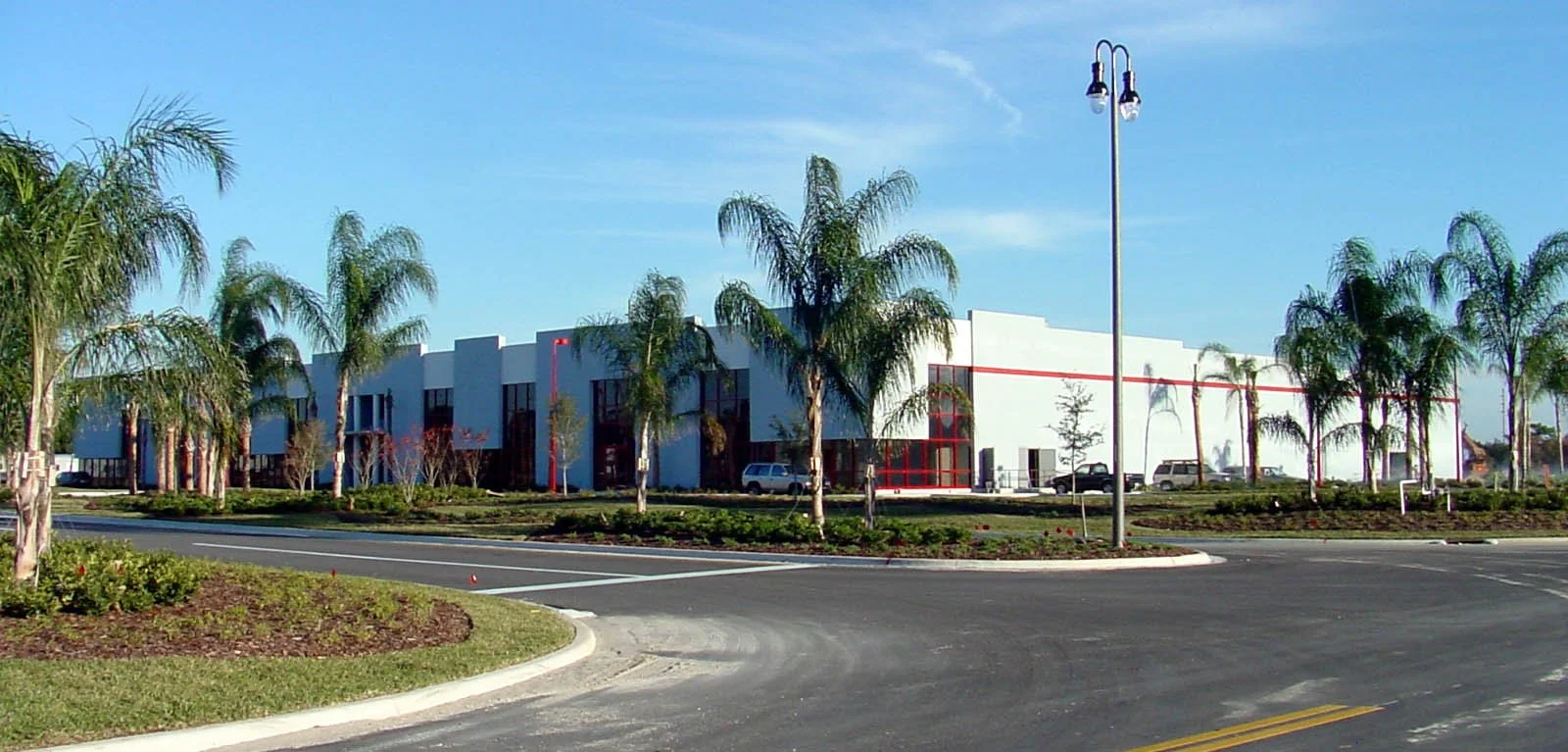
Kegel moved to a new 72,000-square-foot facility in Lake Wales, Florida, and brought along the new Kegel Training Center, featuring 12 fully adjustable lanes described as the world’s first and only facility of its kind.
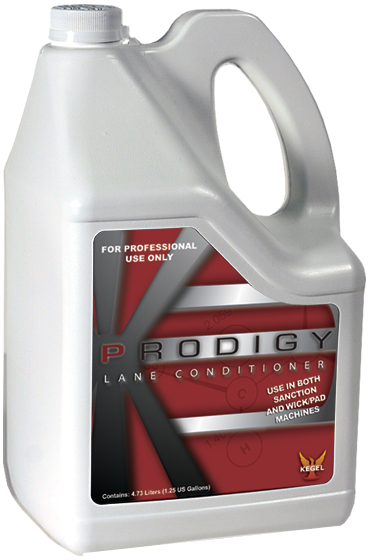
Kegel released Prodigy Lane Conditioner. It was created to reduce the effects of carrydown in the backend, virtually eliminate ball calls and out-of-ranges, and provide predictable, consistent ball reaction.
Kegel released Pin Brite Cleaner Solution, a pin-cleaning solution that helped pins repel dirt.
2002
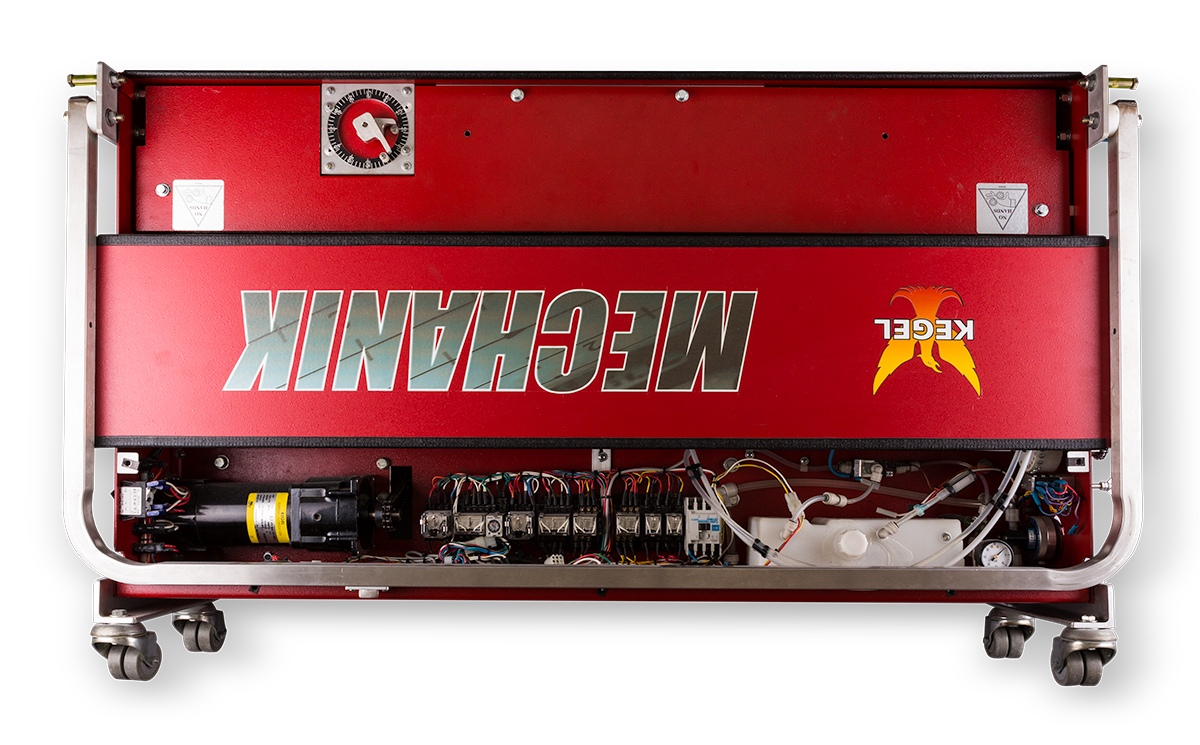
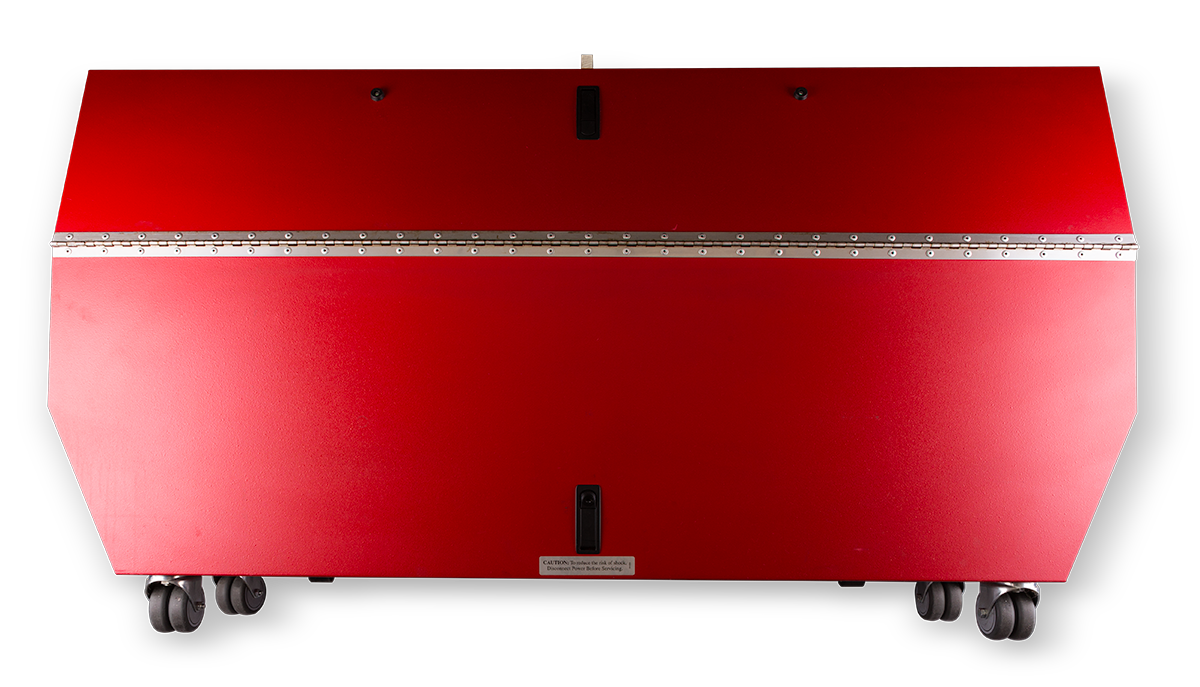
Kegel introduced Mechanik and Sanction Walker.
The Kegel Training Center opened in the Philippines. Kegel sponsored the High Roller Bowler of the Year Award, which was given to the top bowler in three different categories.
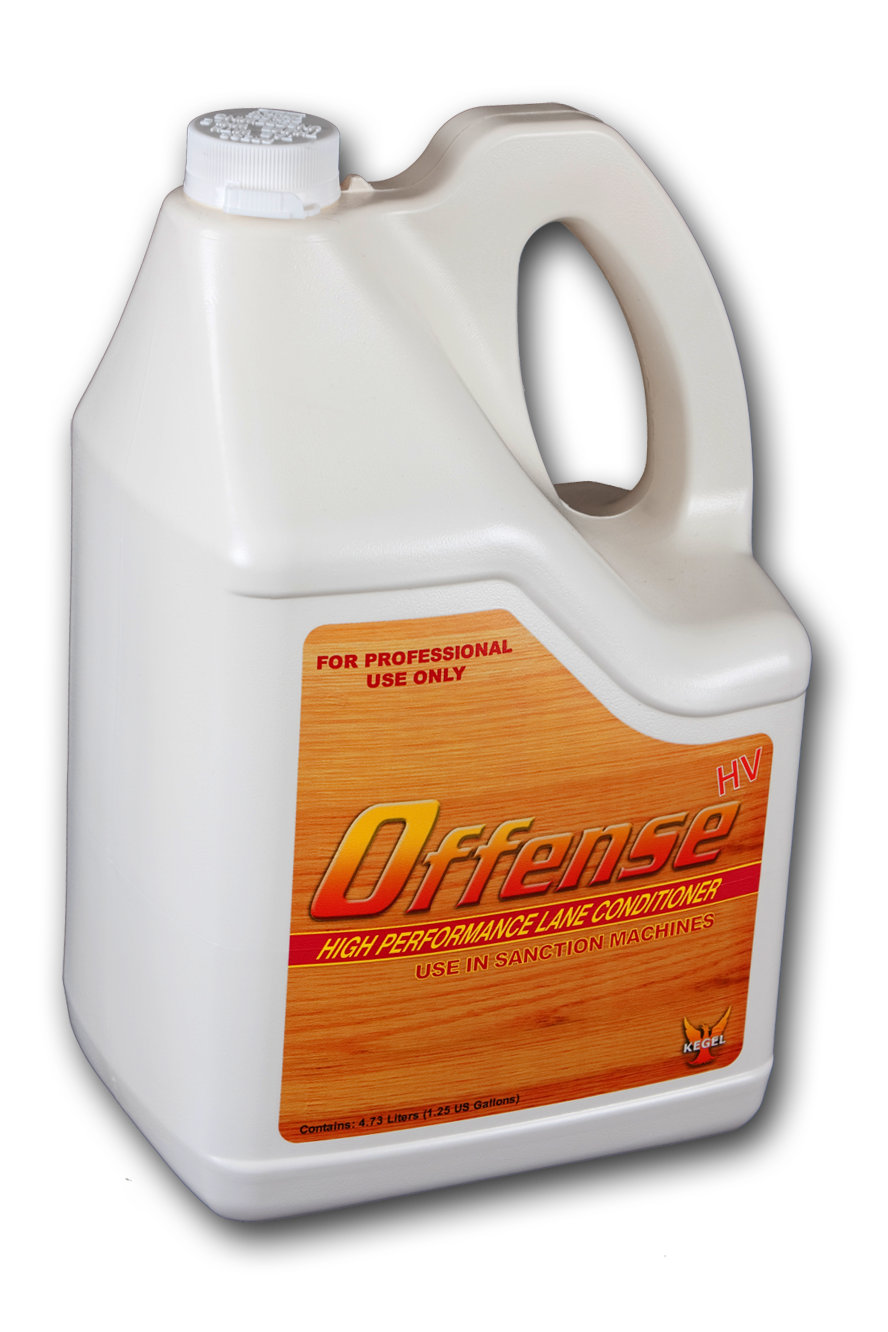
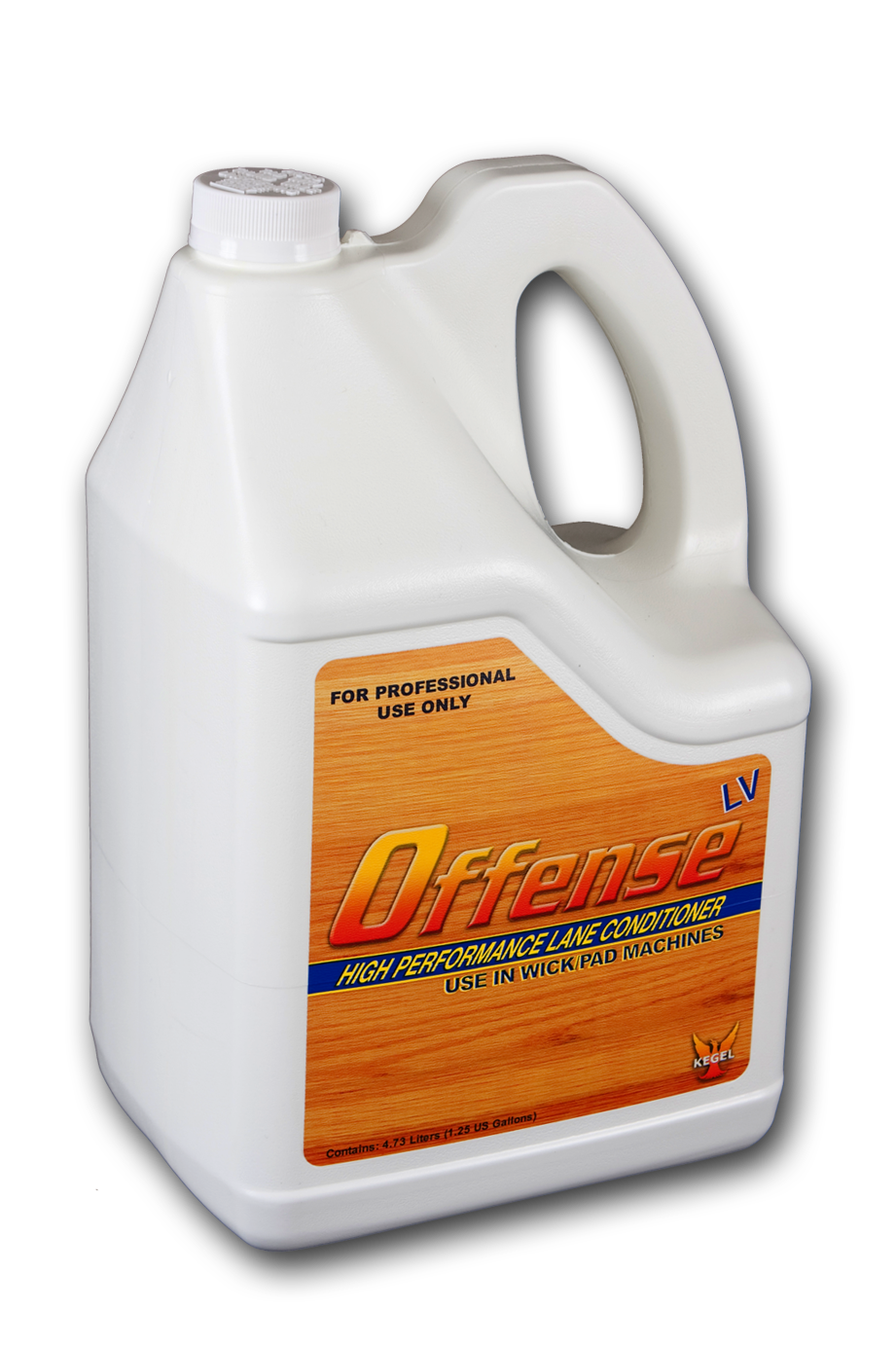
KBT released Offense™ to complement the popular Defense™ line of conditioner. Offense was the first conditioner manufactured using “High Shear Dispersion” mixing technology. Offense-HV was created for greater durability under the extreme heat of television lights on Tour and featured high viscosity. Offense-LV was created for the same conditions and featured low viscosity.
2001
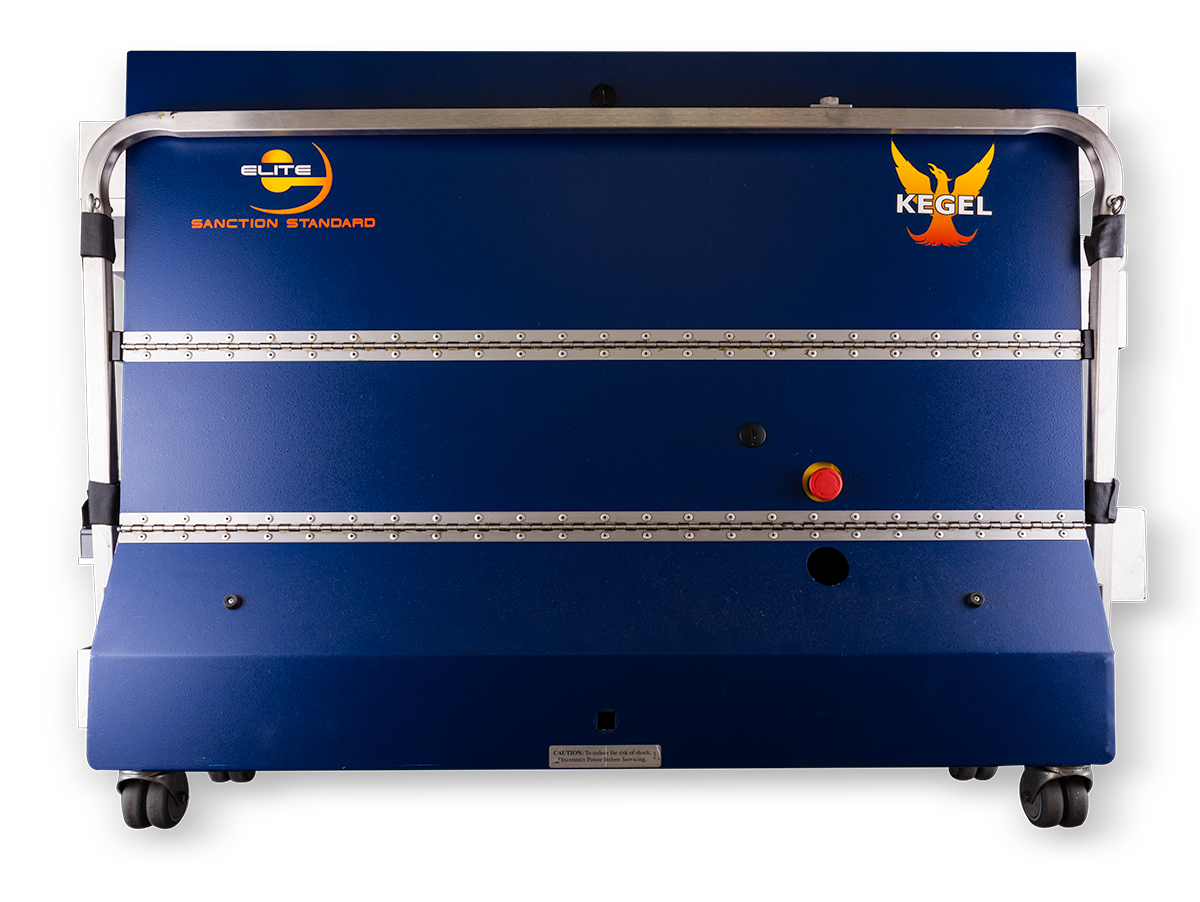
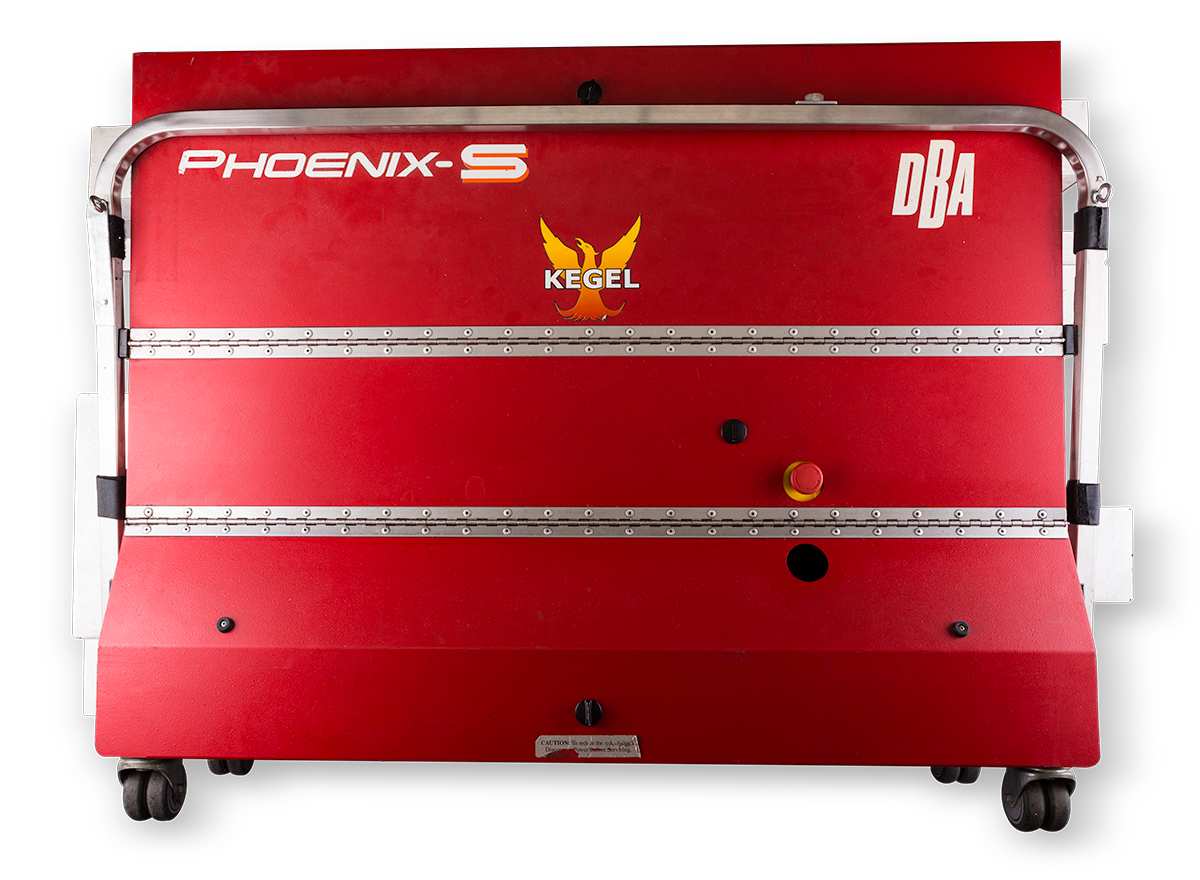
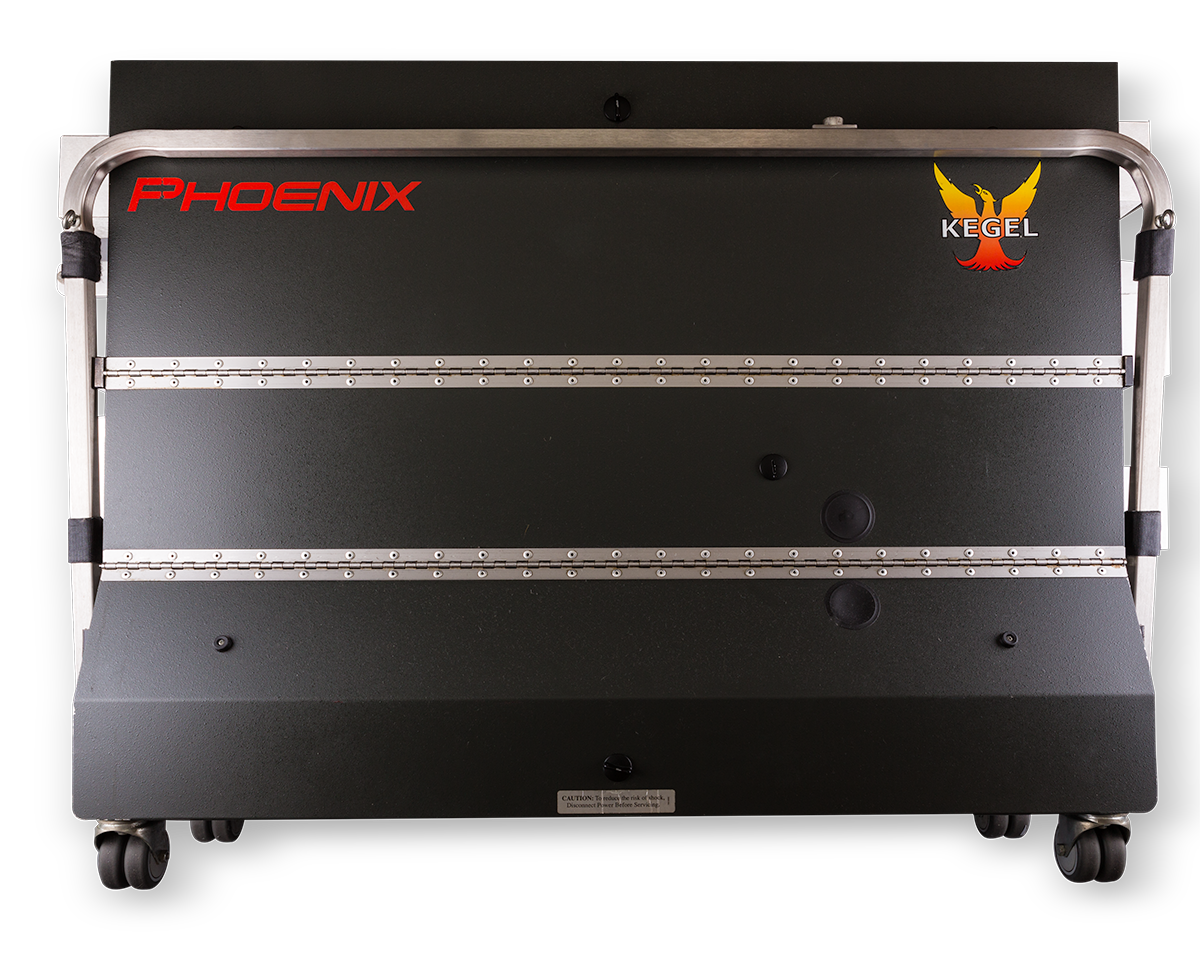
Kegel introduced Elite and Phoenix-S.
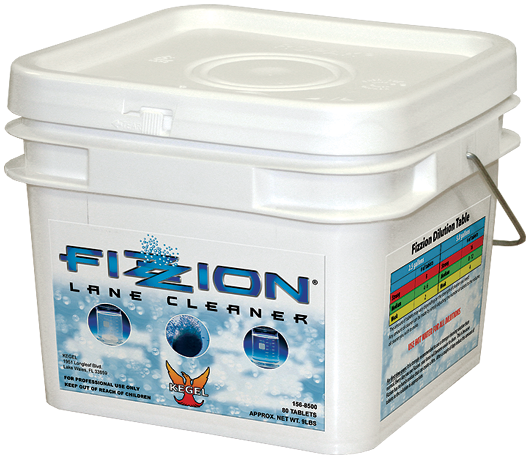
Kegel introduced the first and only tablet-based lane cleaner, which reduced shipping costs compared with liquid cleaners that were mostly water. The addition of C.A.T.S. to Kegel’s testing helped reveal previously unknown information about ball speed, trajectory, and angle of entry, ultimately contributing to ball-reaction forecasting.
The addition of C.A.T.S. to our testing will help reveal many unknowns and speculations about ball speed, trajectory and angle of entry & ultimately translating to ball reaction forecasting.
Kegel launched several web initiatives, including a new company website and the Kegel Online Support Forum.
Lane Maintenance Central updated the Mobile Support Vehicle to a 30-foot trailer stocked with the parts necessary to completely rebuild any type of lane machine from the ground up.
2000
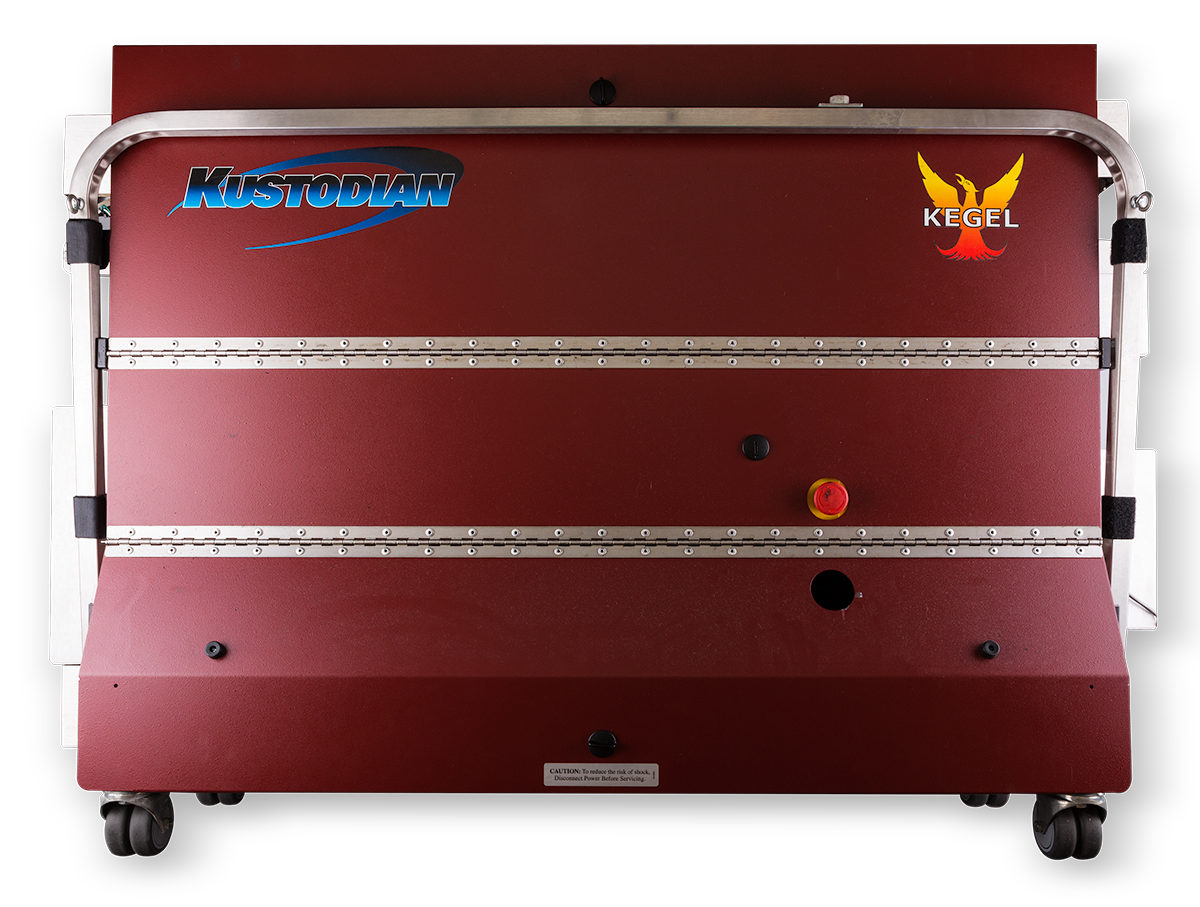
Sanction Technology became available at a more affordable price with the new Kustodian™. A simpler version of The Sanction Standard, the Kustodian used a smaller processor to lower the cost, making Sanction Technology easier to justify for bowling centers of all sizes. The machine became the highest-selling lane machine of all time.
1999
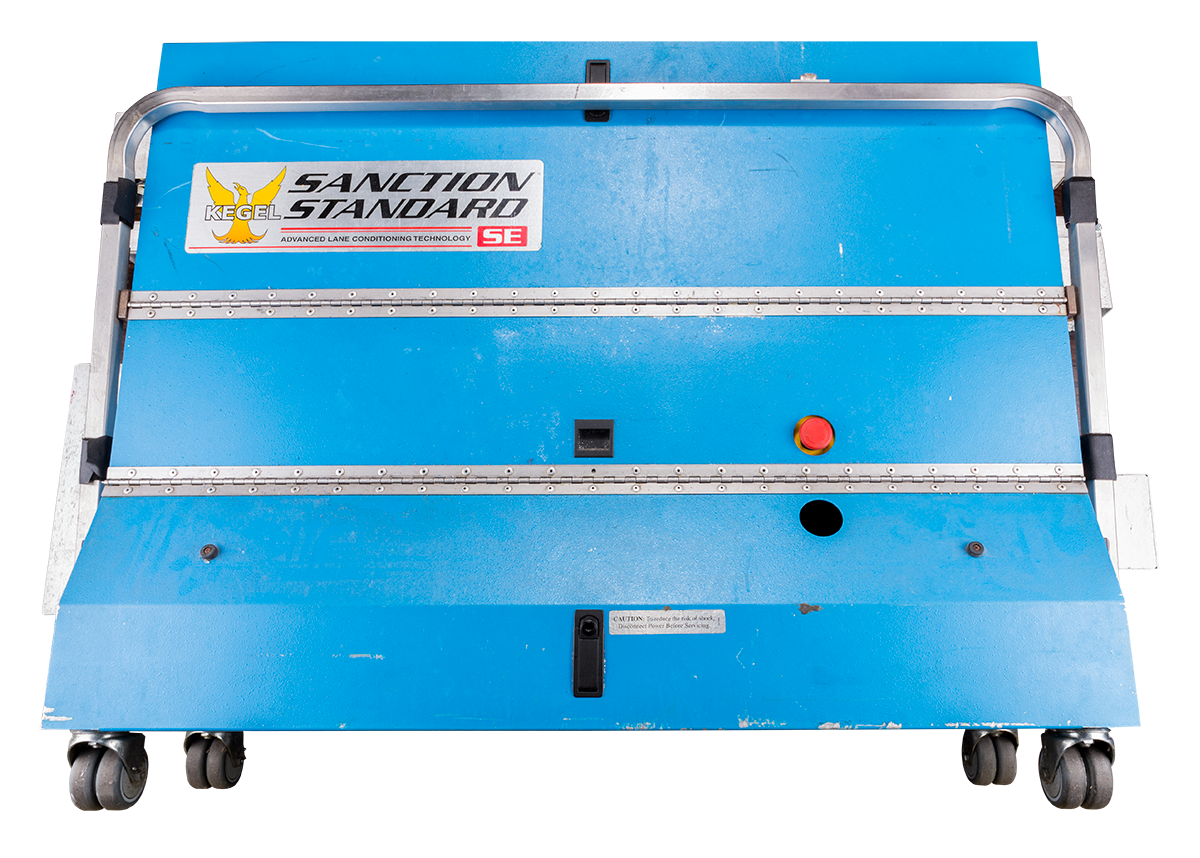
Kegel introduced The Sanction Standard™, which was Kegel’s most advanced lane machine to date. It was designed using years of customer feedback.
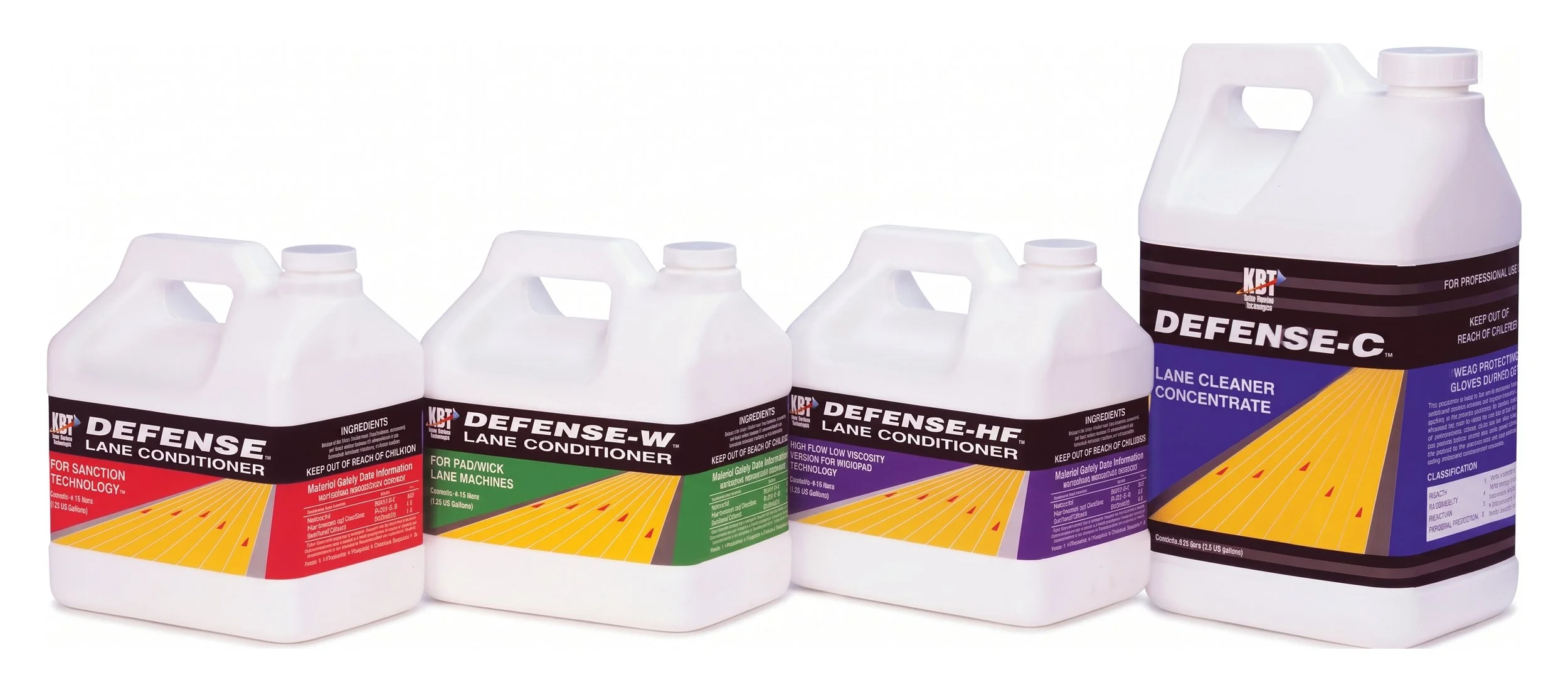
KBT launched its first line of lane conditioners, Defense™, which helped bowling centers combat the aggressiveness of the modern bowling ball. Defense-S was created using particulate solid technology for Sanction Technology machines and was the first conditioner of its kind. Defense-W used the same technology for single-speed wick machines, while Defense-HF was designed for multi- or single-speed wick machines. Defense-C was originally developed to clean Defense-S and quickly and easily removed lane conditioners in one pass.
1998
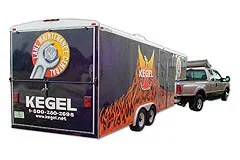
Kegel introduced the 28-foot Kegel Mobile Support Vehicle, giving Kegel technicians the ability to visit bowling centers and service lane machines on-site.

Kegel continued its busy year by forming the Foundation, a membership organization created to help return integrity to the sport of bowling through research and education aimed at helping standardize bowling worldwide.
Kegel opened Kegel Bowling Technologies (KBT), its chemical manufacturing division.
1997
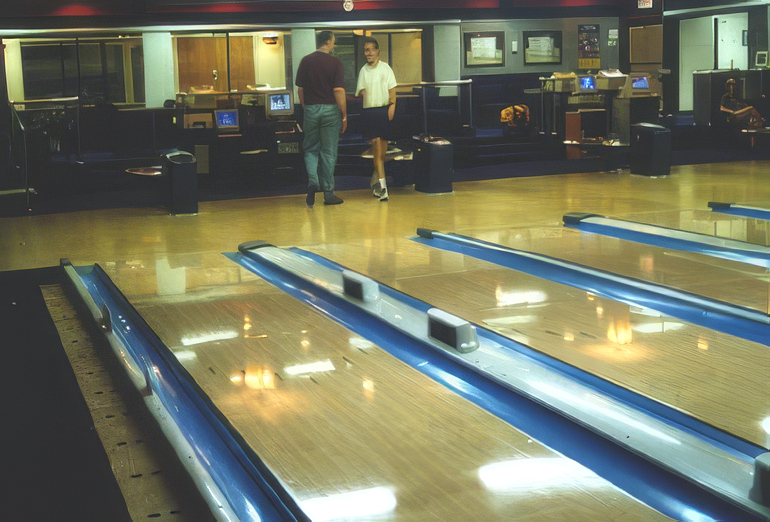
Kegel opened the Kegel Training Center, otherwise known as HERBIES – Bowling Center in the Sky. This private 10-lane facility was the first of its kind and featured state-of-the-art technology that took the learning experience to another level. Kegel aimed to learn as much as possible about the ever-changing bowling environment to help provide bowlers with a fair and equitable lane condition.
1995
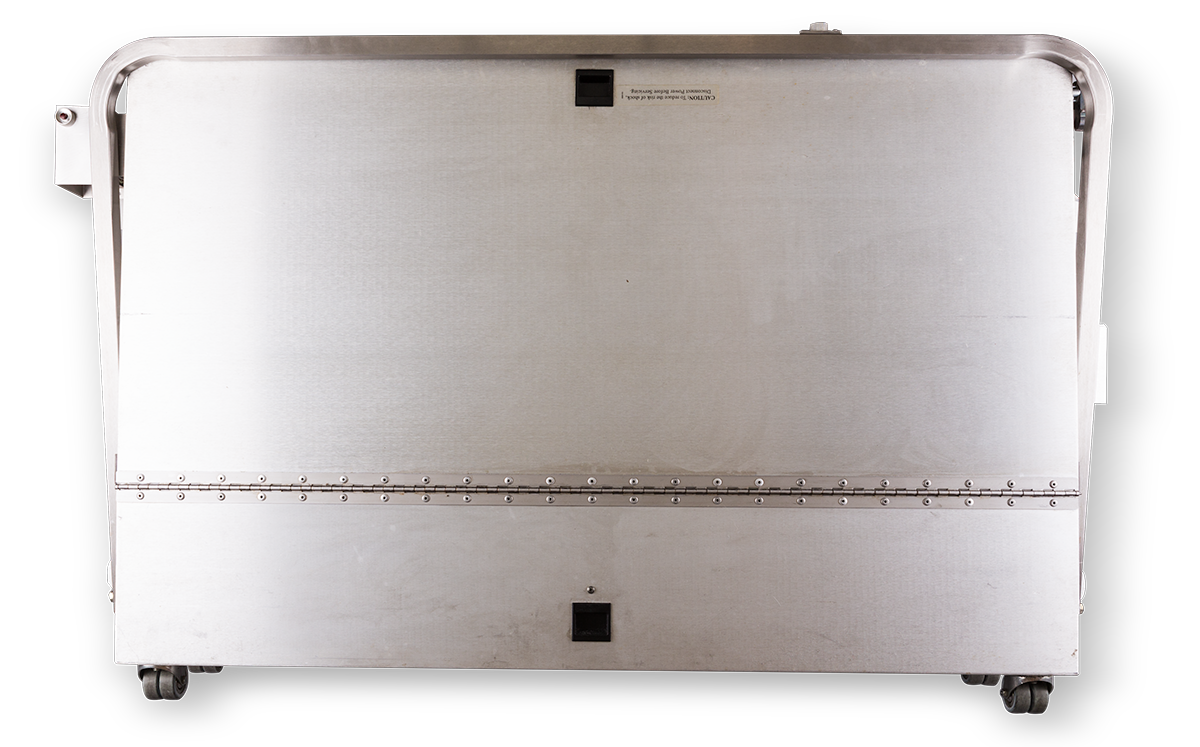
Kegel released the DBA® Arrow™ to give centers an economical strip-only machine to complement the DBA® Excel™ and DBA® Dart™.
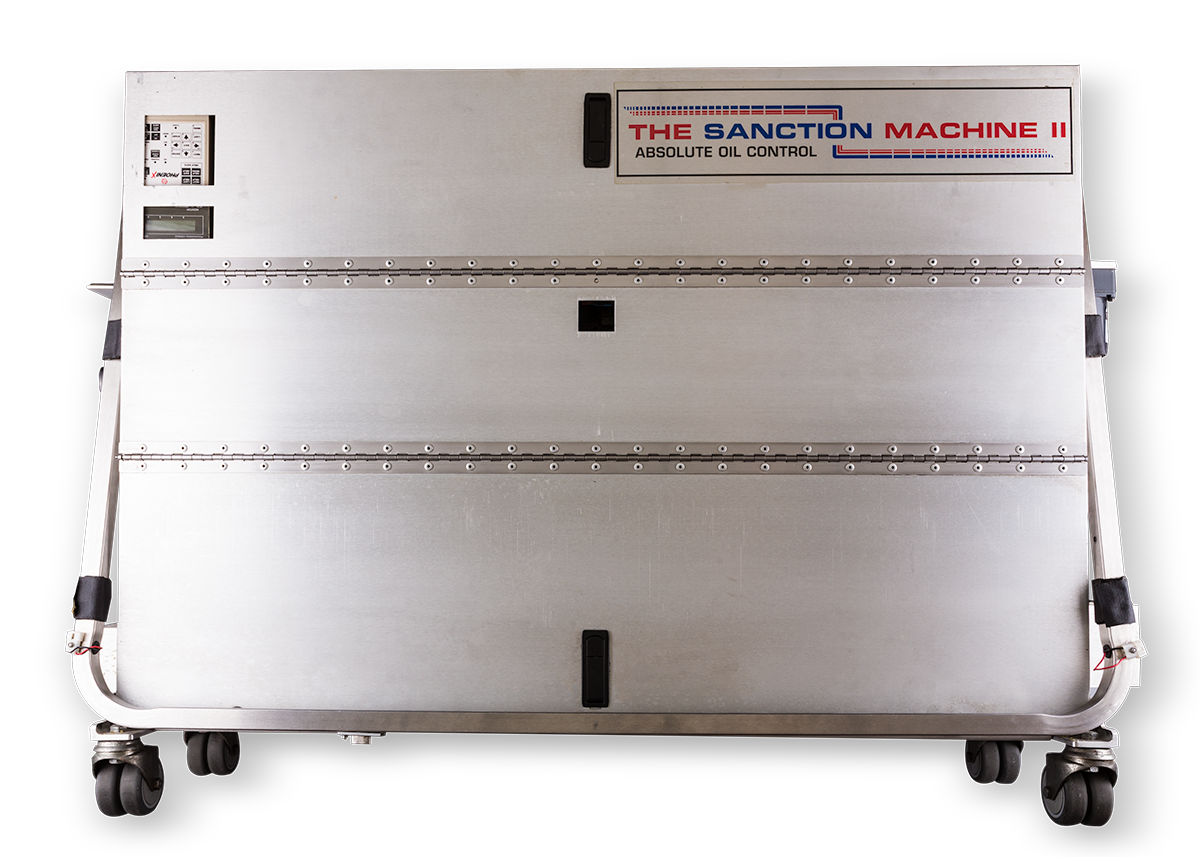
Kegel reintroduced Sanction Technology in the DBA® Phoenix-S™ Tournament Edition, also sold as the Sanction Machine II™. This combination Sanction Technology machine helped jump-start Kegel’s goal of establishing a common standard in bowling.
1994
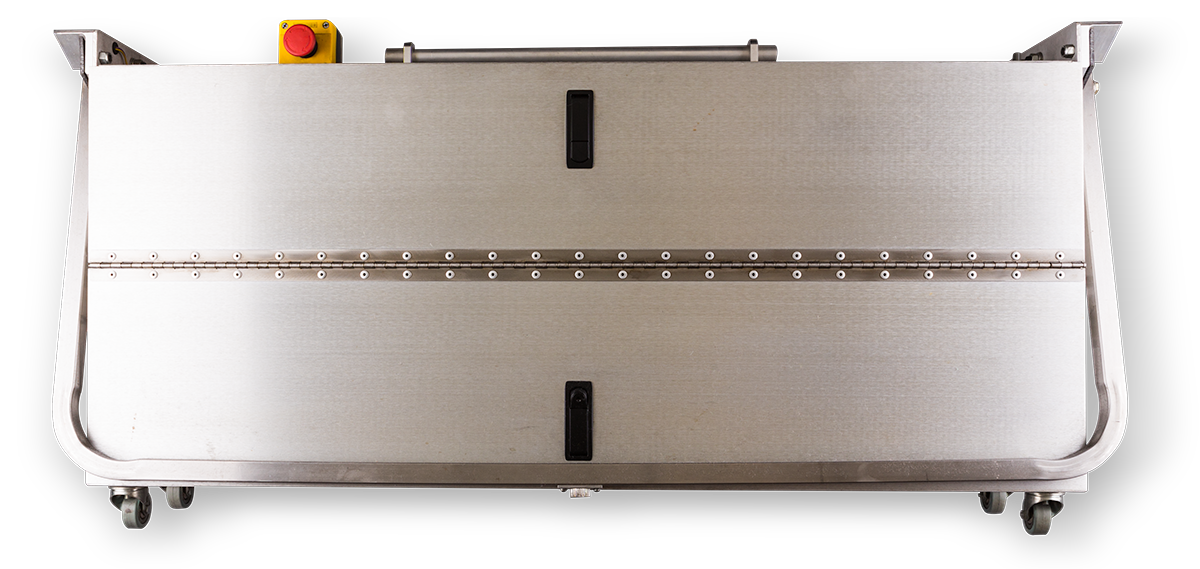
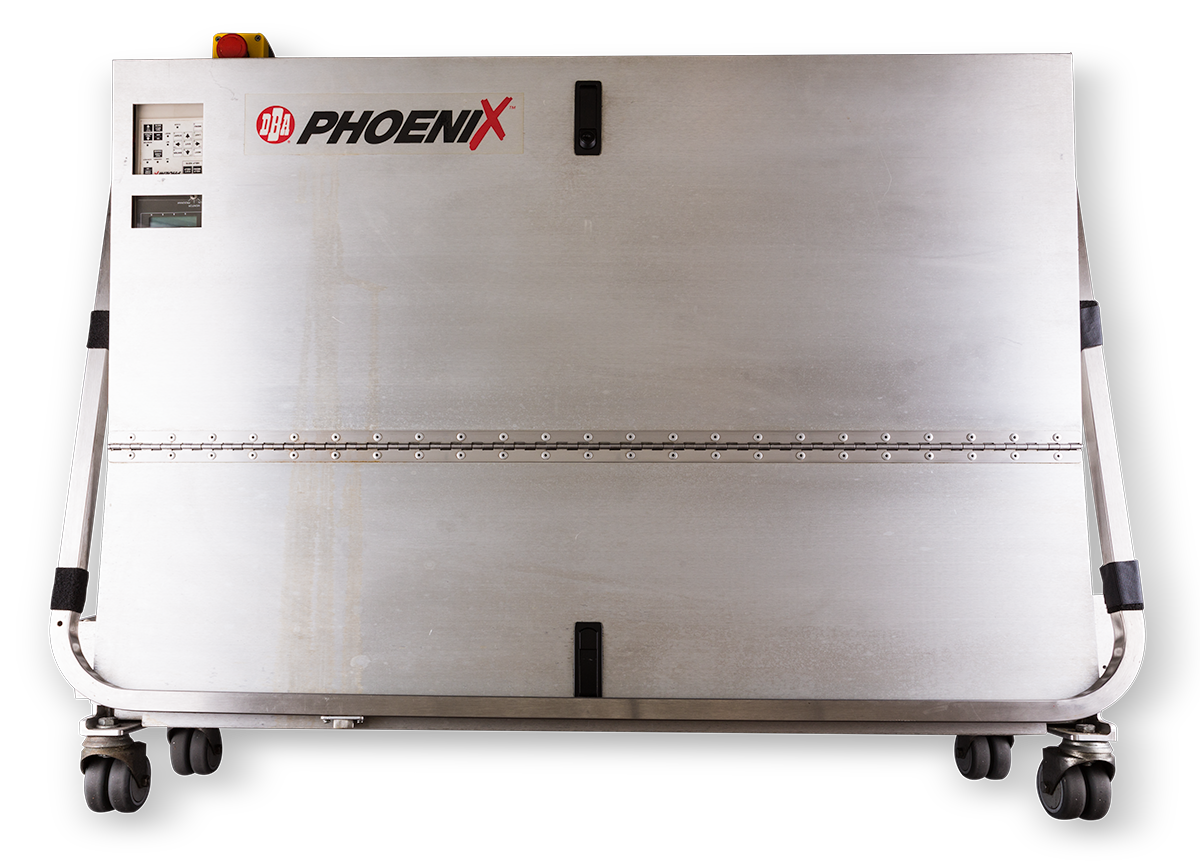
Kegel added the fourth lane machine to its lineup with the DBA® Dart™. At the time, it was the most economical machine Kegel had ever designed.
The DBA® Dart™ targeted small centers and was also used for run-fill patterns. Kegel expanded its position in the lane maintenance industry with the introduction of the DBA® Phoenix™. It was Kegel’s first combination machine and had the ability to clean and condition a lane in one minute.
1993
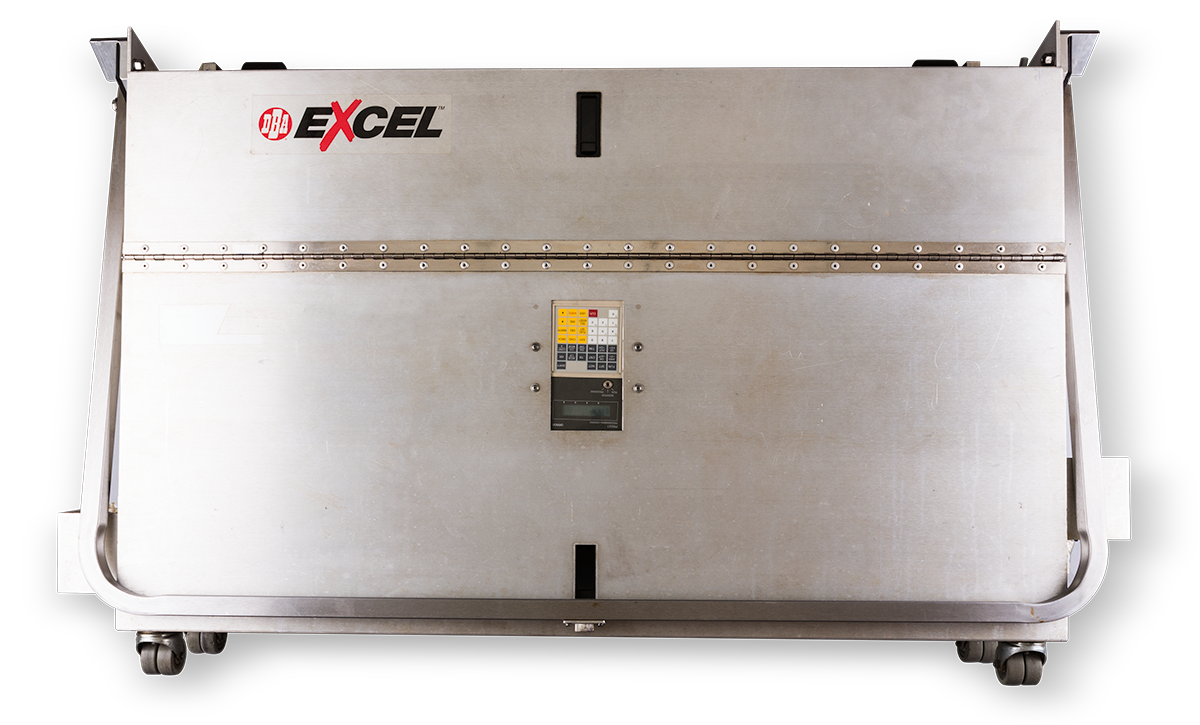
The release of the DBA® Excel™ offered bowling centers a more affordable option for conditioning their lanes. This oil-only machine conditioned lanes similarly to the DBA® LaneWalker™ but did not include the walking function.
1992
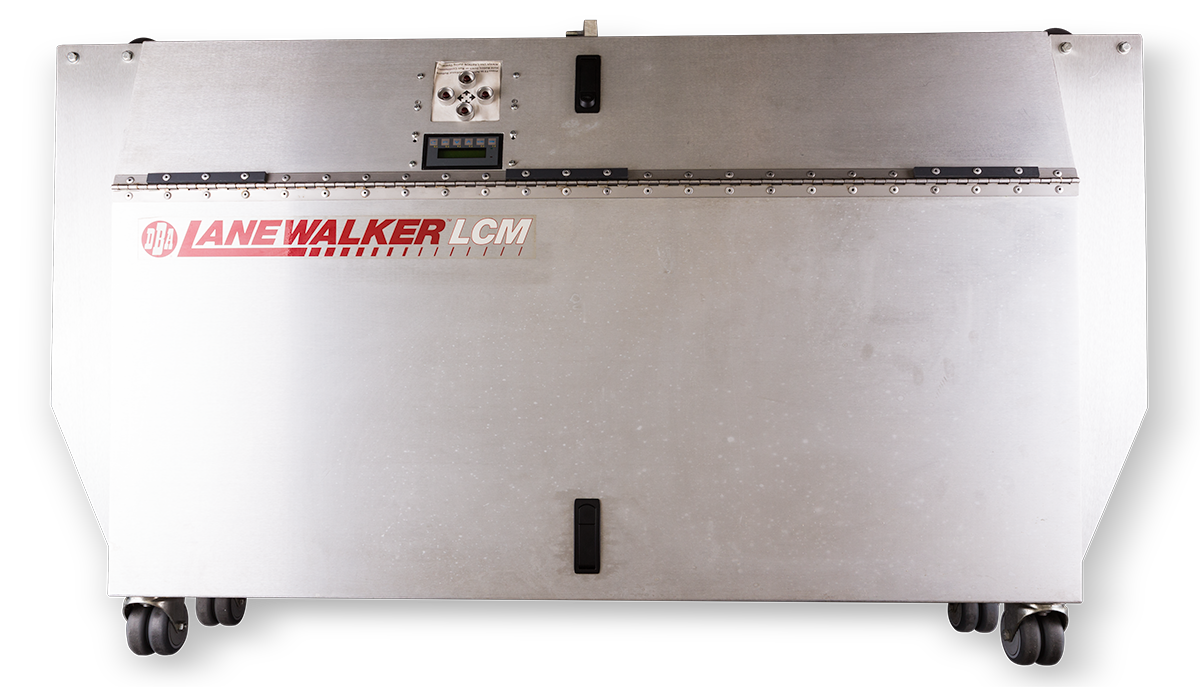
Kegel complemented the DBA® LaneWalker™ with the addition of the DBA® LaneWalker LCM™. It was used to clean the lanes before the DBA® LaneWalker™ followed and conditioned them.
1991
Kegel teamed up with DBA® to help market, sell, and promote lane machines designed by Kegel.
Kegel developed and released the DBA® LaneWalker™. This revolutionary lane machine moved from lane to lane on its own. The technology allowed lane maintenance personnel to focus on other responsibilities while the machine performed the lane-maintenance work
1988
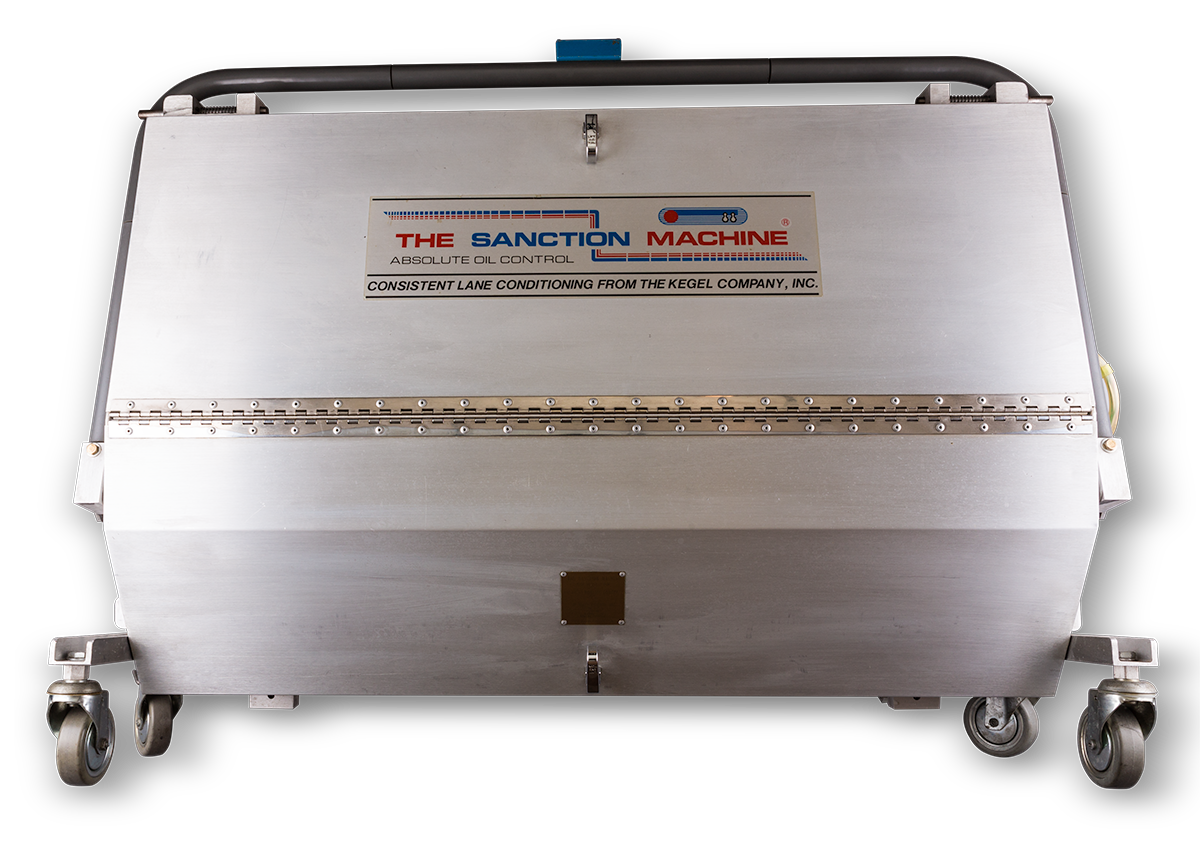
Kegel began selling The Sanction™ Machine. It was the first lane machine designed by Kegel and the first to feature Kegel’s patented Sanction Technology.
1986
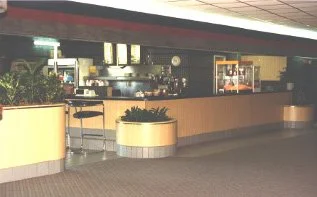
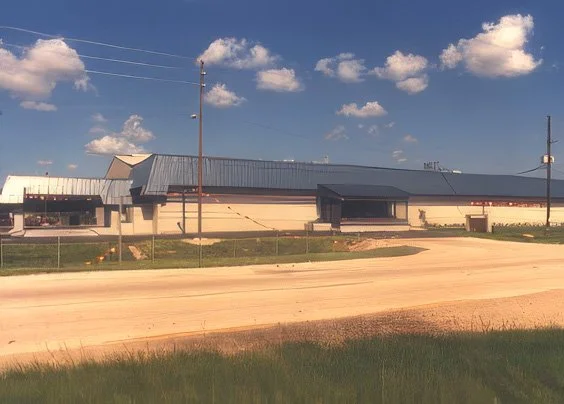
The Kegel Bowling Center is a Bowler's Journal International Award Winner for Renovation and Design.
1985
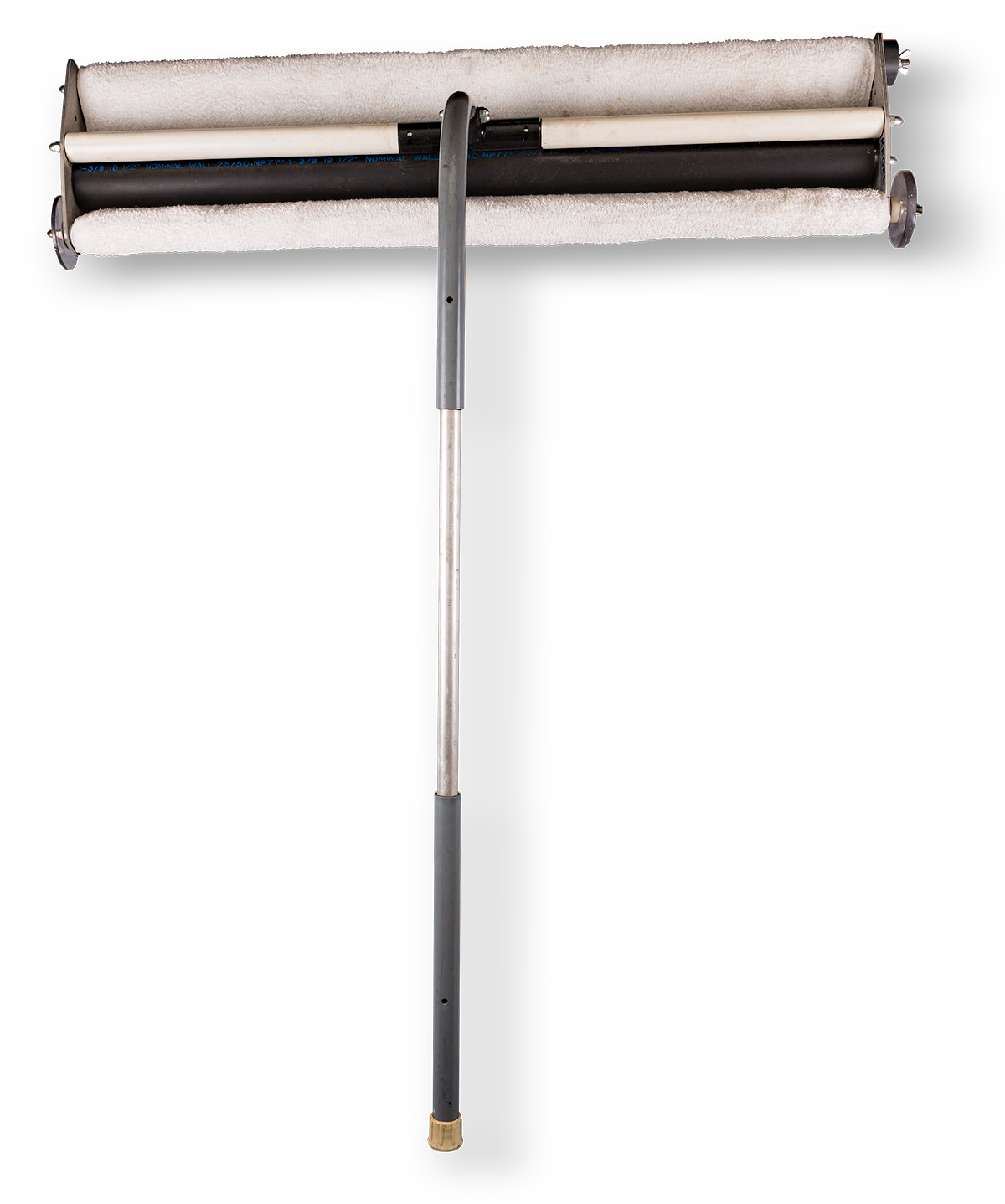
Kegel released “The Master Key™,” a more affordable and efficient model of the initial “Key™” design.
Kegel introduced NPS™, an easy-to-use solution developed to help address sliding pins on the pin deck.
1983
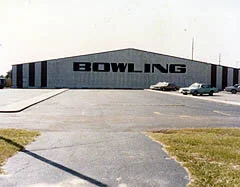
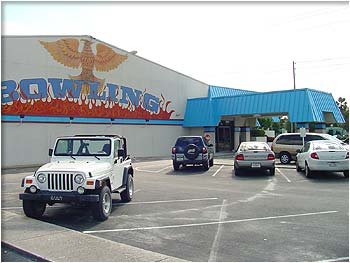
Kegel founder John Davis purchased Ridge Lanes in Sebring, Florida, and renamed it The Kegel Bowling Center.
1981
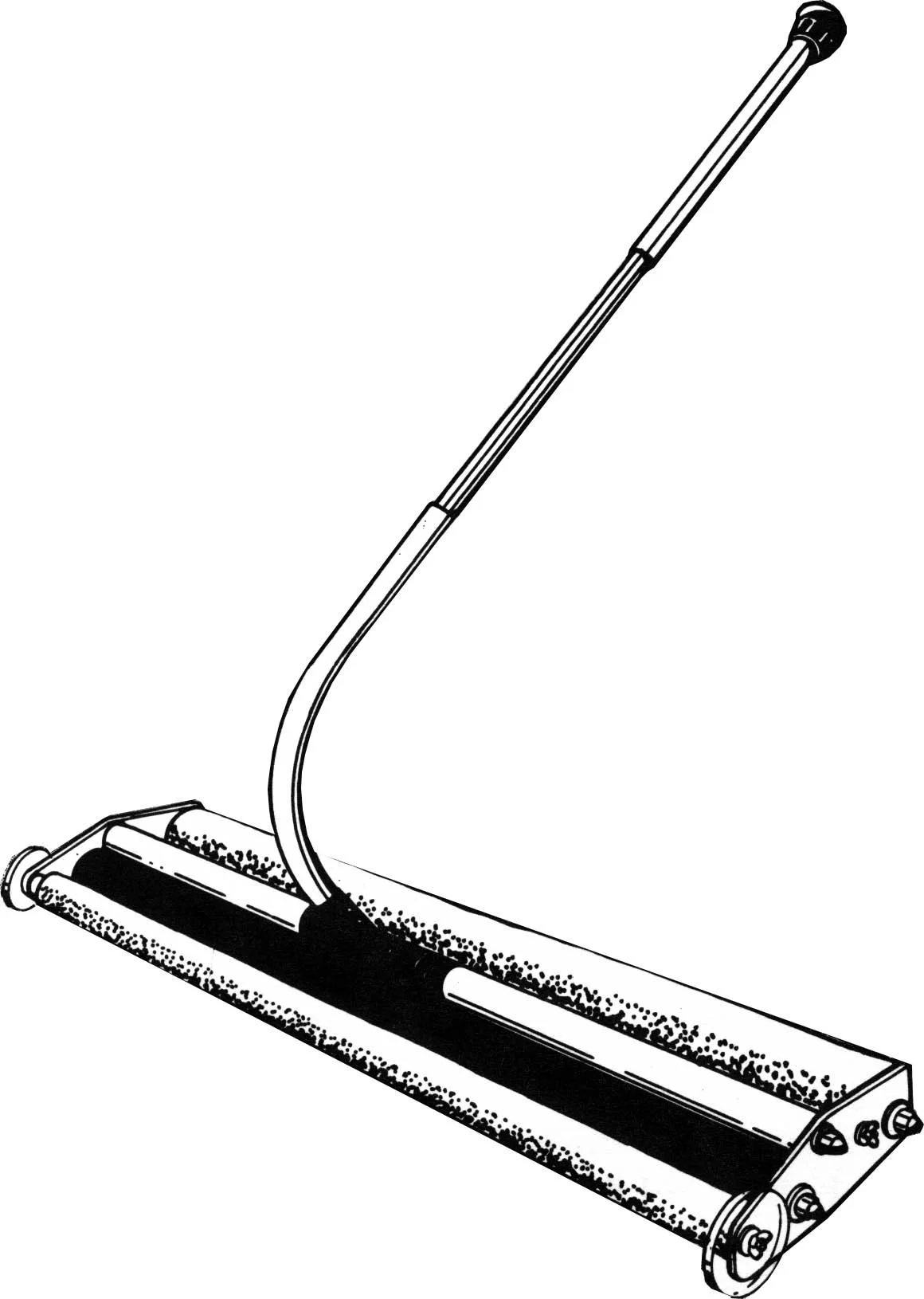
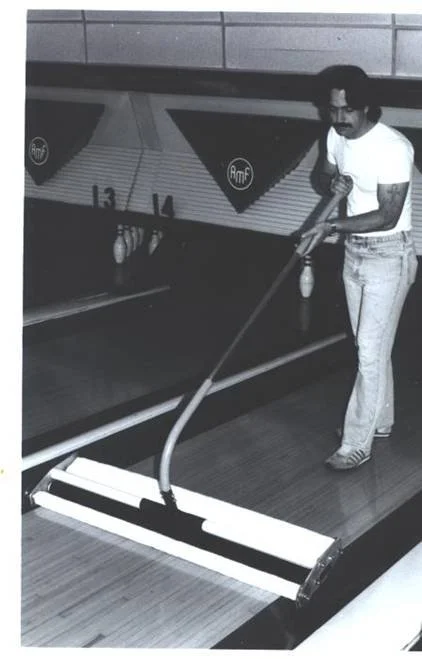
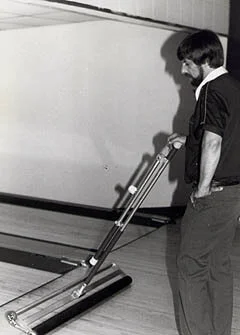
John Davis and David Jennings invented “The Key™” Lane Cleaning Tool. It helped bowling centers clean their lanes quickly and economically.

John Davis, the founder of Kegel (with Linda Davis and David Jennings)
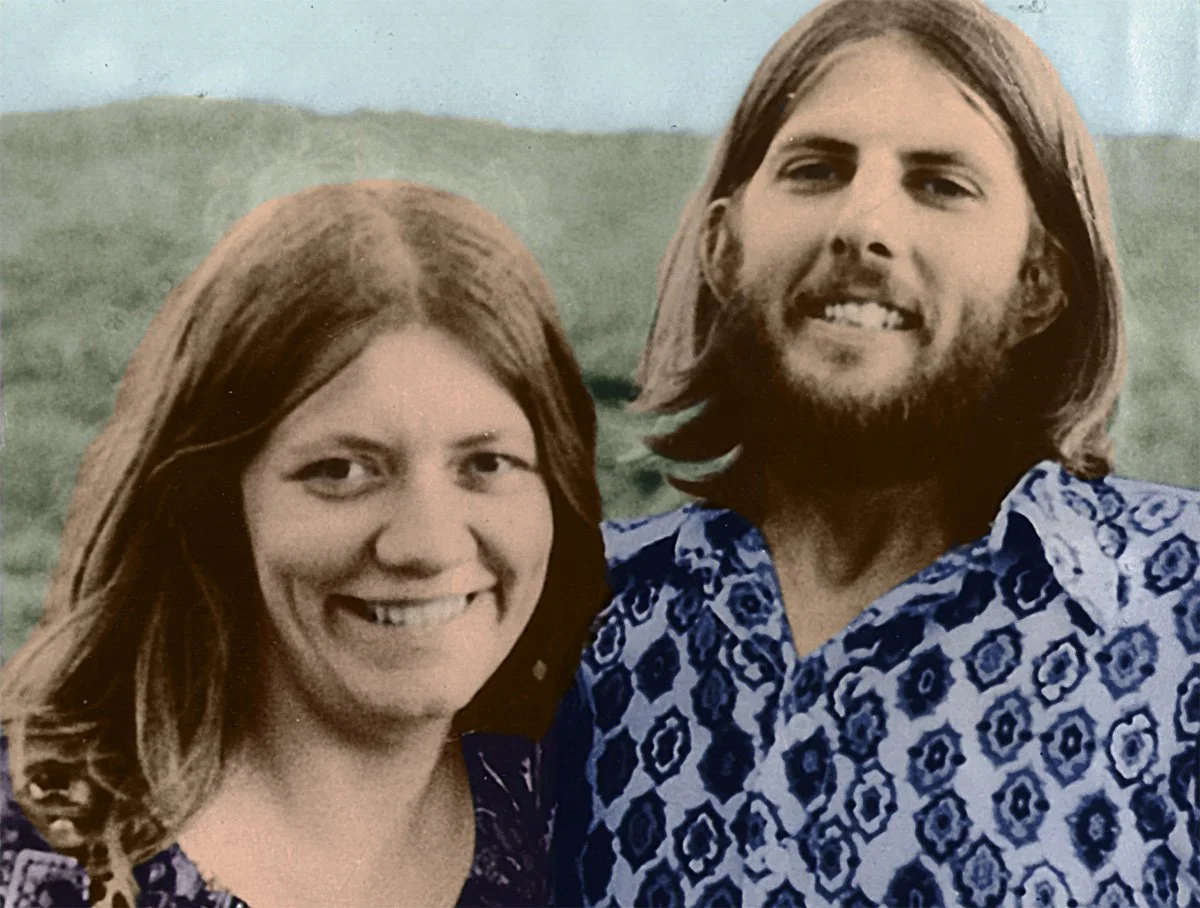
Linda Davis and John Davis